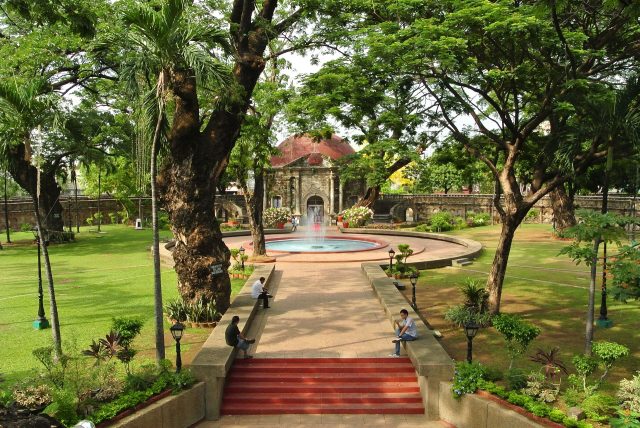
St. Ferdinand Cathedral in Paco is one of those rare places that feels suspended in time, as if the past lingers in its very stones. Tucked away in the heart of this quiet Manila district, the cathedral is more than just a place of worship—it’s a living piece of history. Its walls have witnessed centuries of change, from Spanish colonial rule to the upheavals of war and the quiet rhythms of everyday life. Today, it remains a spiritual anchor for the community and a quiet witness to the city’s evolution.
The architecture of St. Ferdinand Cathedral reflects the blend of Spanish colonial design and local influences that define much of the Philippines’ built heritage. The façade is simple yet striking, with twin towers flanking the entrance—once used not just for aesthetics but as lookout points. Inside, the space feels airy and light, thanks to high arched windows that let in soft, diffused sunlight. The altar, crafted in traditional style, is framed by intricate wooden carvings, while the vaulted ceilings bear faded frescoes depicting scenes from the lives of saints. There’s no excess here, just a sense of quiet dignity in every detail.
The cathedral’s story is deeply intertwined with that of Paco itself. The district was one of the earliest settlements established by the Spanish in Manila during the 16th century. Originally, a small wooden church stood on this site, but as the community grew, so did the need for a larger, more permanent structure. By the 19th century, the decision was made to build a stone cathedral, and St. Ferdinand became a symbol of both faith and local identity. The building has seen its share of hardship—during World War II, it suffered significant damage—but it was carefully restored, preserving its original character.
Today, the cathedral remains an active place of worship, drawing both locals and visitors who come to experience its history. Daily masses, baptisms, and weddings are held here, and the atmosphere is especially moving during religious festivals, when the air fills with hymns, prayers, and the scent of flowers. On these occasions, the cathedral feels like a world apart, where time moves at its own unhurried pace.
Paco isn’t a district that draws crowds of tourists, and that’s part of its charm. There’s no hustle here, just the quiet hum of everyday life. The cathedral sits among narrow streets lined with old houses, small shops selling handmade crafts, and stalls offering local snacks. A walk through the neighborhood after visiting the cathedral feels like stepping back in time, before the city was overtaken by modern development. It’s a place where Manila’s past is still very much alive.
For those interested in history, St. Ferdinand Cathedral can serve as a starting point for exploring the Philippines’ colonial legacy. The surrounding area is dotted with buildings from the Spanish era, each with its own story to tell. You might wander down side streets, peek into small museums, or simply sit in a café and watch the neighborhood go by. There’s a sense that history isn’t just preserved here—it’s still being lived.
Beyond its architectural and historical significance, the cathedral is a place where faith, tradition, and daily life intersect. It doesn’t try to impress with grandeur, and that’s precisely what makes it special. Here, you can sense the layers of time, the way culture has been shaped by centuries of change, and the quiet resilience of a community. The sound of church bells ringing over the rooftops of Paco is a reminder of something enduring, a moment of stillness in a city that’s always moving forward.
For many, St. Ferdinand Cathedral becomes more than just a stop on a tour—it’s a place where the past feels tangible, where the stories of the people who built it and worshipped here are still present. It’s a reminder that history isn’t just something you read about; sometimes, it’s something you can step into, if only for a little while.