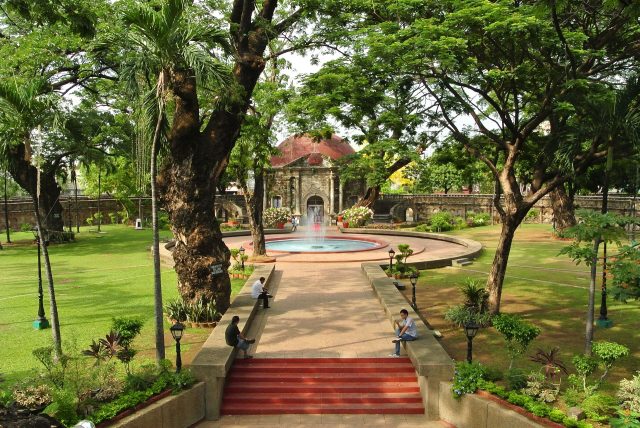
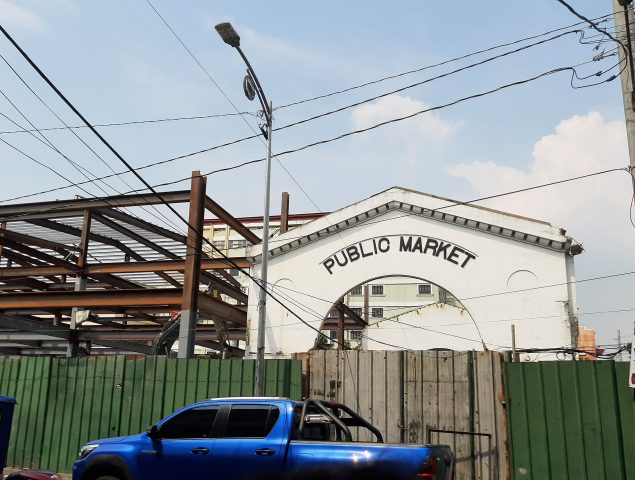
Paco Museum sits quietly on Padre Faura Street, a small but meaningful presence in a district that has seen Manila grow around it. Once a separate town, Paco is now woven into the fabric of the sprawling city, its streets humming with the energy of daily life. Yet within this bustling neighborhood, the museum offers a rare pause—a chance to step into the stories that shaped not just a place, but the people who called it home. The building itself is part of that story, its walls holding memories of different eras: a school, an office, and now a keeper of local history.
Built in the early 1900s under American rule, the museum’s architecture carries the marks of its time. High ceilings stretch above spacious rooms, their large windows once inviting in the tropical light. The wooden floors, worn smooth by decades of footsteps, creak softly under visitors, while the intricate plasterwork on the ceilings hints at the craftsmanship of another era. The space feels lived-in, as if the past hasn’t quite faded away. The exhibits don’t aim to be grand or sweeping; instead, they focus on the details that mattered to Paco’s residents—the small, everyday moments that add up to a community’s identity.
The collection is a mix of ordinary and extraordinary. School registers from the early 20th century sit alongside yellowed newspapers from the Second World War, their headlines telling of a city under siege. There are tools once used by local craftsmen, the kind that built homes and repaired shoes, and simple household items that speak to the rhythms of daily life. A section dedicated to the Japanese occupation is particularly moving, with photographs of bombed-out streets and personal letters from soldiers. These artifacts don’t just document history—they make it feel immediate, as if the past is still echoing in the present.
Religion has long been a cornerstone of life in Paco, and the museum reflects that deep connection. The district has been a center of Catholic tradition for generations, and the exhibits include everything from old prayer books in Spanish and Tagalog to vestments worn by priests during Mass. One of the most striking displays is a series of photographs capturing religious festivals and processions. The images show neighbors coming together, their faces alight with devotion, their hands carrying statues of saints through the streets. These moments of shared faith are a reminder of how community is built—not just through grand events, but through the quiet rituals that bind people over time.
What makes the museum special is its refusal to treat history as something frozen in time. One exhibit bridges the gap between past and present, showcasing contemporary art by local creators alongside photographs of Paco’s streets today. The contrast is striking: modern buildings rise next to old wooden houses, while small shops still sell traditional sweets and tailors stitch barong Tagalog, the formal Filipino shirt. The museum doesn’t just preserve the past—it shows how it lives on, adapted and reinterpreted by each new generation. It’s a place where visitors can see how a neighborhood evolves without losing its soul.
There’s no rigid path through the museum, no scripted tour to follow. The rooms are arranged to encourage wandering, with each visitor free to linger where something catches their eye. Sometimes, the caretaker—a local resident—will share a story or two, offering a personal perspective on how Paco has changed over the years. These conversations add a layer of warmth to the experience, making the museum feel less like a formal institution and more like a home where someone has pulled out an old photo album to show you. The lack of pretense is refreshing; there’s no pressure to see everything or to walk away with a particular impression.
For those curious about Filipino history, Paco Museum offers a different kind of lens. It doesn’t focus on the grand narratives of revolution or national heroes, but on the lives of ordinary people—the teachers, shopkeepers, and families who shaped a community. There are no towering monuments here, no famous names etched into plaques. Instead, the exhibits are filled with the small, human details that often get overlooked: a child’s schoolbag, a handwritten recipe, a well-worn pair of shoes. It’s these unassuming objects that reveal how culture is passed down, how traditions take root, and how a place like Paco becomes more than just a dot on a map.
The museum is small enough to explore in an hour or two, but its impact lingers. Perhaps it’s because there’s no attempt to impress or overwhelm. The stories here aren’t polished for tourists; they’re presented as they are, with all their imperfections and authenticity. A faded photograph, a chipped teacup, a letter written in careful script—these are the things that make history feel real. In a city as vast and fast-paced as Manila, Paco Museum is a quiet reminder that the most meaningful connections to the past aren’t always found in grand gestures. Sometimes, they’re right here, in the details of a neighborhood that has seen it all and still stands, carrying its memories forward.