Paco Market isn’t the kind of place you’ll find in glossy travel brochures. There are no staged photo ops or polished facades here—just the raw, unfiltered rhythm of a neighborhood that has long been the backbone of Manila’s daily life. This is where the city reveals itself without pretense, where the air hums with the sounds of bargaining, sizzling food, and the occasional laughter of vendors who have known their customers for decades.
The market has stood in Paco for generations, a far cry from the sterile shopping malls that dot the city. People don’t come here for Instagram moments; they come for the essentials—fresh produce, seafood still glistening from the morning’s catch, spices that carry the heat of the tropics. The stalls open before dawn, when farmers from nearby islands and fishermen from Manila Bay arrive with their goods. The scent of garlic, chili, and ripe mangoes mingles with the briny tang of fish, creating an aroma that lingers long after you’ve left.
What you’ll find here isn’t just food—it’s the building blocks of Filipino home cooking. Live crabs scuttle in shallow basins, their claws tied with strips of banana leaf. Durian, with its divisive odor, sits next to sweet lanzones and creamy mangoes. Vendors grill skewers of *isaw*—chicken intestines marinated in vinegar and spices—while others ladle steaming bowls of *lugaw*, a savory rice porridge. The food is unpretentious, the kind that’s meant to be eaten with your hands, standing by a plastic table under a flickering fluorescent light.
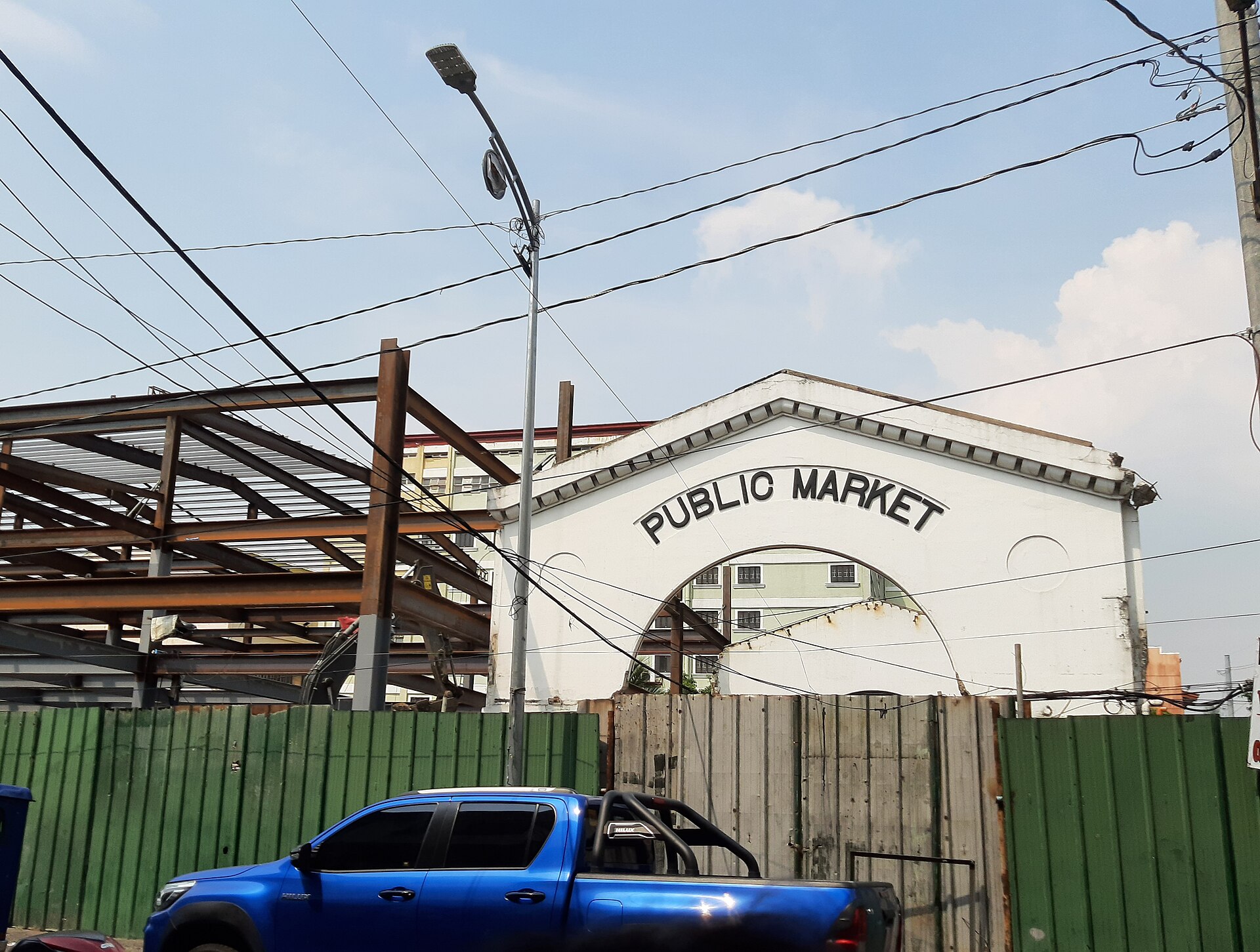
The market’s architecture is as straightforward as its purpose. Low-slung buildings with corrugated metal roofs shelter narrow aisles where shoppers weave between stalls. When the rain comes, the walkways grow slick, and the air thickens with humidity, but the trade never stops. Some of the signs above the stalls are faded, their letters barely legible, hinting at decades of use. A few families have run their businesses here for so long that they greet regulars by name, remembering not just their usual orders but the details of their lives.
Paco itself is a neighborhood with layers of history. Long ago, Chinese immigrants settled here, and their influence remains woven into the fabric of the market. You’ll find *siopao*—steamed buns stuffed with savory pork or sweet bean paste—sold alongside *pancit*, the noodle dishes that vary from stall to stall, each with its own family recipe. Nearby, jars of homemade *atchara* (pickled papaya) and bottles of spicy vinegar line the shelves, their contents passed down through generations. These aren’t just condiments; they’re a taste of tradition.
By midday, the market settles into a quieter pace. The morning rush gives way to a slower rhythm, though the stalls remain open. Locals drift in not just to shop but to linger—grabbing a quick meal from a food vendor, sipping coffee from a plastic cup, or catching up with neighbors. The plastic chairs scattered around the market’s edges become impromptu gathering spots, where conversations flow as easily as the *sago’t gulaman* (a sweet drink made with tapioca pearls and jelly) being poured from large dispensers.
As the heat of the afternoon fades, the market takes on a different energy. The air cools slightly, and the crowd shifts. Older residents stop by after work, their baskets filled with the day’s necessities. Teenagers on motorbikes weave through the alleys, calling out to friends. Sometimes, the strum of a guitar or the distant warble of karaoke drifts from a nearby *carinderia*, blending with the clatter of pots and the hiss of frying oil. This isn’t just commerce; it’s community.
There’s no scripted itinerary here, no must-see attractions or guided tours. If you want to understand the Philippines beyond the postcard images, Paco Market offers a glimpse into the everyday. You could spend hours wandering the aisles, watching how people haggle over prices, how they share stories while waiting for their orders, how the market adapts to the ebb and flow of the day. It’s a place where strangers become familiar faces, where the line between vendor and customer blurs into something more personal.
Of course, it’s not always comfortable. The market can be crowded, the floors sticky with spilled liquids, the air thick with the scent of raw seafood and exhaust fumes. But that’s part of its charm. Manila doesn’t soften itself for visitors here. Instead, it invites you to step into its rhythm, to accept the chaos and the warmth in equal measure. For some, Paco Market will be just another stop on a busy travel schedule. For others, it will be the kind of place that lingers in memory long after the trip is over. Either way, it’s hard to leave without feeling like you’ve touched something real.