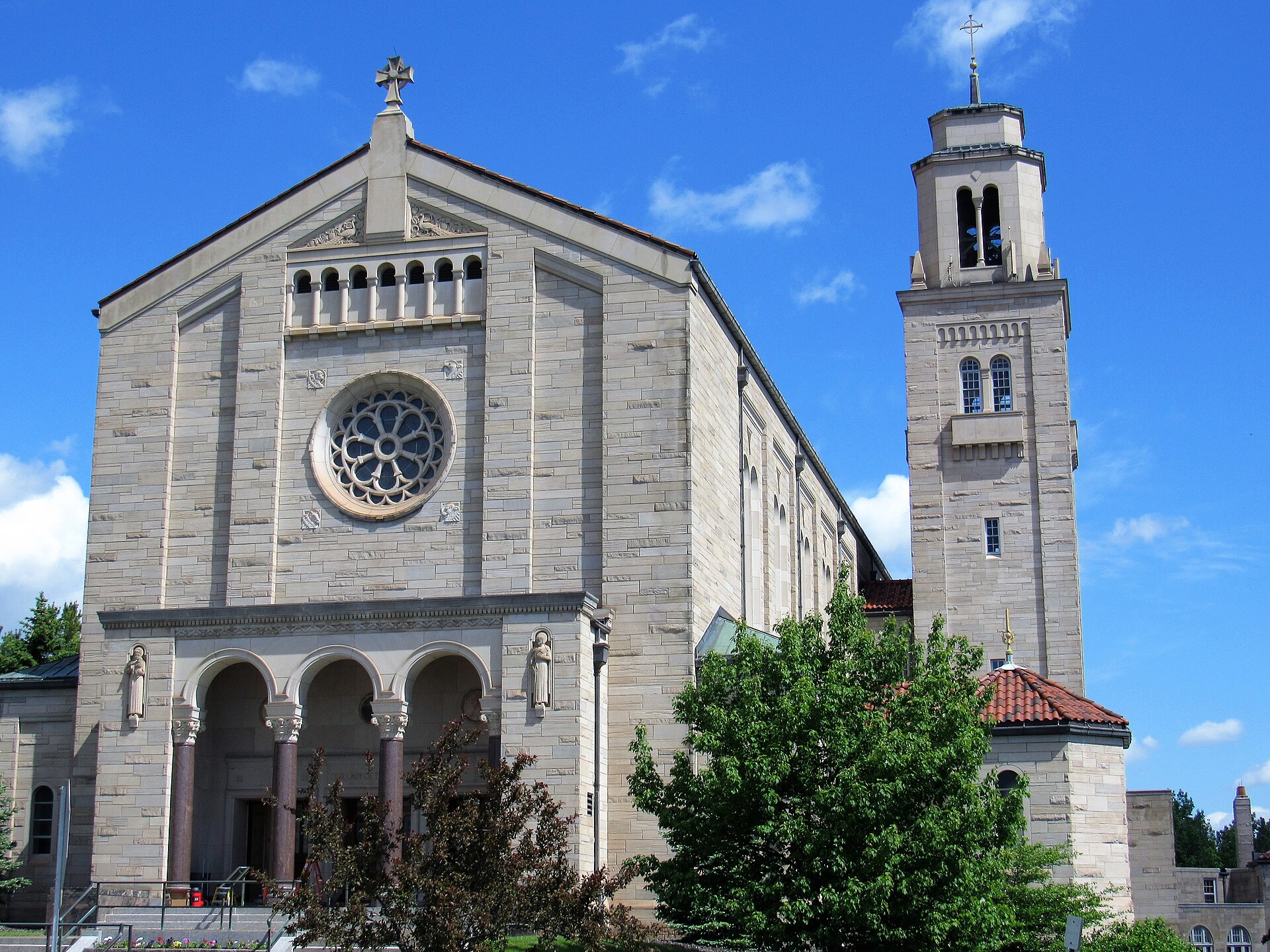
Paranaguá’s Cathedral of Our Lady of the Rosary stands as a quiet witness to Brazil’s colonial past, its whitewashed walls holding stories of a time when this port city was a gateway to the riches of the interior. Founded in the mid-16th century, Paranaguá flourished as a hub for gold and spices, and the cathedral became its spiritual and architectural anchor. Today, it remains an active place of worship, but also a living monument to the era when the city was a vital link between the coast and the vast lands beyond.
The building’s simplicity is deceptive. There’s a quiet strength in its unadorned facade, with high arched windows and a wooden bell tower—hallmarks of Brazil’s colonial religious architecture. Inside, the space feels airy and bright, sunlight streaming through the tall windows. The altar gleams with gilded carvings, while wooden pews and antique chandeliers lend a sense of tranquility. It lacks the grandeur of Rio’s or Salvador’s cathedrals, but that’s precisely what makes it feel real, a place where history hasn’t been polished into something distant and untouchable.
The cathedral’s story is inseparable from Paranaguá’s own. The city was established by the Portuguese in 1545, and by the late 16th century, a small church dedicated to Our Lady of the Rosary had already taken root. The structure we see today dates to the 18th century, when Paranaguá was at its peak as a trading center. Back then, the cathedral wasn’t just a place of prayer; it was the heart of civic life. Official decrees were read from its steps, disputes were settled within its walls, and even the city’s treasury was kept here for safekeeping.
One of the cathedral’s most enduring legends involves a statue of Our Lady of the Rosary. According to local tradition, during a yellow fever epidemic in the early 19th century, the people of Paranaguá prayed before this statue, and the disease receded. Since then, the statue has been revered as a protector of the city, and every October, festive services and processions honor its legacy. The statue remains in the cathedral, a cherished relic that draws both pilgrims and curious visitors.
The cathedral sits in the center of Paranaguá’s old town, surrounded by low-slung houses with terracotta roofs. Walking the streets nearby, it’s easy to imagine the bustle of centuries past. Nearby, colonial mansions once home to merchants and officials still stand, while the waterfront—where ships once set sail for Europe and Africa—lies just a short stroll away. The square in front of the cathedral is a peaceful spot, where locals and visitors alike linger on benches, soaking in the atmosphere.
Inside, a few details stand out. The walls are adorned with 19th-century frescoes depicting scenes from the lives of Christ and the Virgin Mary. They’re painted in a simple, almost folk-art style, but their sincerity gives them a quiet power. Another highlight is the organ, installed in the mid-20th century, its music filling the space during Sunday services. A small museum attached to the cathedral houses religious vestments, old books, and everyday objects that offer glimpses into the parish’s history over the centuries.
Paranaguá isn’t a city that makes it onto most travel itineraries, and that’s part of its charm. There are no crowds here, and the cathedral remains a place where life unfolds at its own pace. On weekdays, the doors are open to visitors, and you can step inside without the rush of tourist groups. In the evening, when the streetlights come on, the cathedral’s white walls glow softly, casting long shadows across the square—a scene that feels timeless.
Visiting the Cathedral of Our Lady of the Rosary isn’t just about admiring architecture or ticking off a historical site. It’s about stepping into the rhythm of old Brazil, where the past isn’t something to be observed from a distance but something that lingers in the air. The scent of the sea, the creak of wooden floors, the way the light filters through the windows—it all feels like an invitation to slow down. Paranaguá moves at its own pace, and the cathedral is its quiet heart, a place that doesn’t demand attention but rewards those who take the time to notice.