Paranaguá is one of those Brazilian cities where the colonial past lingers in the quiet rhythm of daily life. Its historic center stretches along a serene bay, carrying echoes of an era when this port was a vital stop on trade routes between Europe and South America. The narrow cobblestone streets and two-story houses with wooden balconies tell a story, but the place doesn’t feel like an open-air museum. It’s a living town, where history is part of the routines of its people.
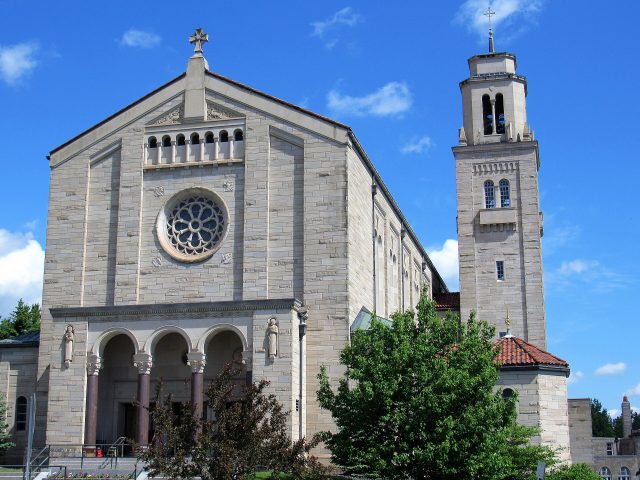
The city was founded in the mid-16th century and grew into one of southern Brazil’s most important commercial hubs. Ships from Portugal unloaded goods here, and later, gold and silver from inland mines passed through its port. That wealth shaped its architecture, blending Baroque and neoclassical styles in buildings financed by merchants. The Church of Saint Benedict, built in the 18th century, has an ornate façade and preserved altars, showing the craftsmanship of the time.
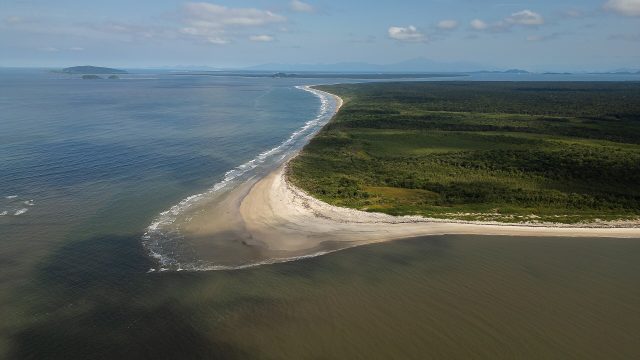
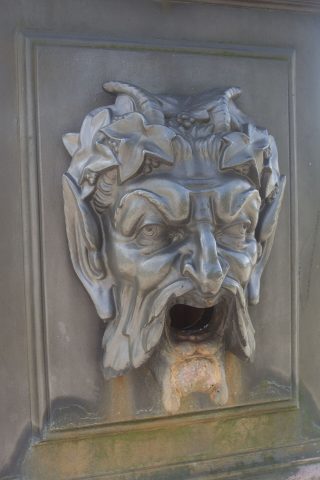
Matheus Leme Square was once the city’s core. Today, it remains a gathering spot—locals sit on benches, children play near the fountain, and visitors take in the surroundings. From here, streets lead to the waterfront, where sailing ships once docked. Now, the bay is quiet, with only the occasional fishing boat gliding by.
The Museum of Archaeology and Ethnography is in a historic mansion. Inside, exhibits trace the lives of the region’s Indigenous peoples and the changes brought by colonization. Artifacts include traditional tools, old maps, and documents. The museum feels like stepping into someone’s personal collection, carefully curated and shared.
The municipal market is where local life unfolds. Stalls sell fresh seafood, tropical fruits, and spices. Vendors prepare dishes like shrimp and fish using recipes passed down through generations. The market is busiest in the early morning, when the air is cooler and conversations flow between buyers and sellers.
Many buildings in the historic center are made of stone and wood, with wrought-iron grilles and wooden shutters. At dusk, streetlamps cast a warm glow over the cobblestones. The city feels intimate then, with small cafés and tiny shops selling handmade crafts.
Paranaguá isn’t like Brazil’s more famous destinations. There are no crowds, no loud music, no grand spectacles. Instead, time moves slower here. It’s a place to pause, to look around, and to settle into its unhurried pace.
History and the present coexist naturally in Paranaguá. Elderly men gather on benches to discuss the day’s news, children play soccer in the squares, and fishermen return with their catch at dawn. In Paranaguá, history isn’t confined to museums—it’s woven into the streets, the buildings, and the lives of the people who live here.