Paranaguá
Brazil · 4 places
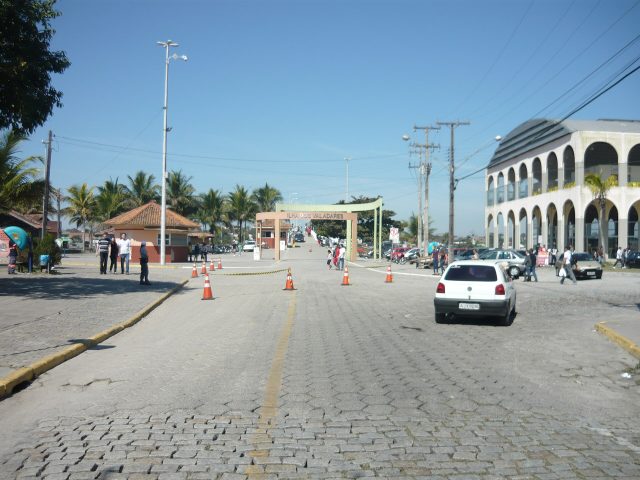
Photo: Derickwilli, CC BY-SA 3.0
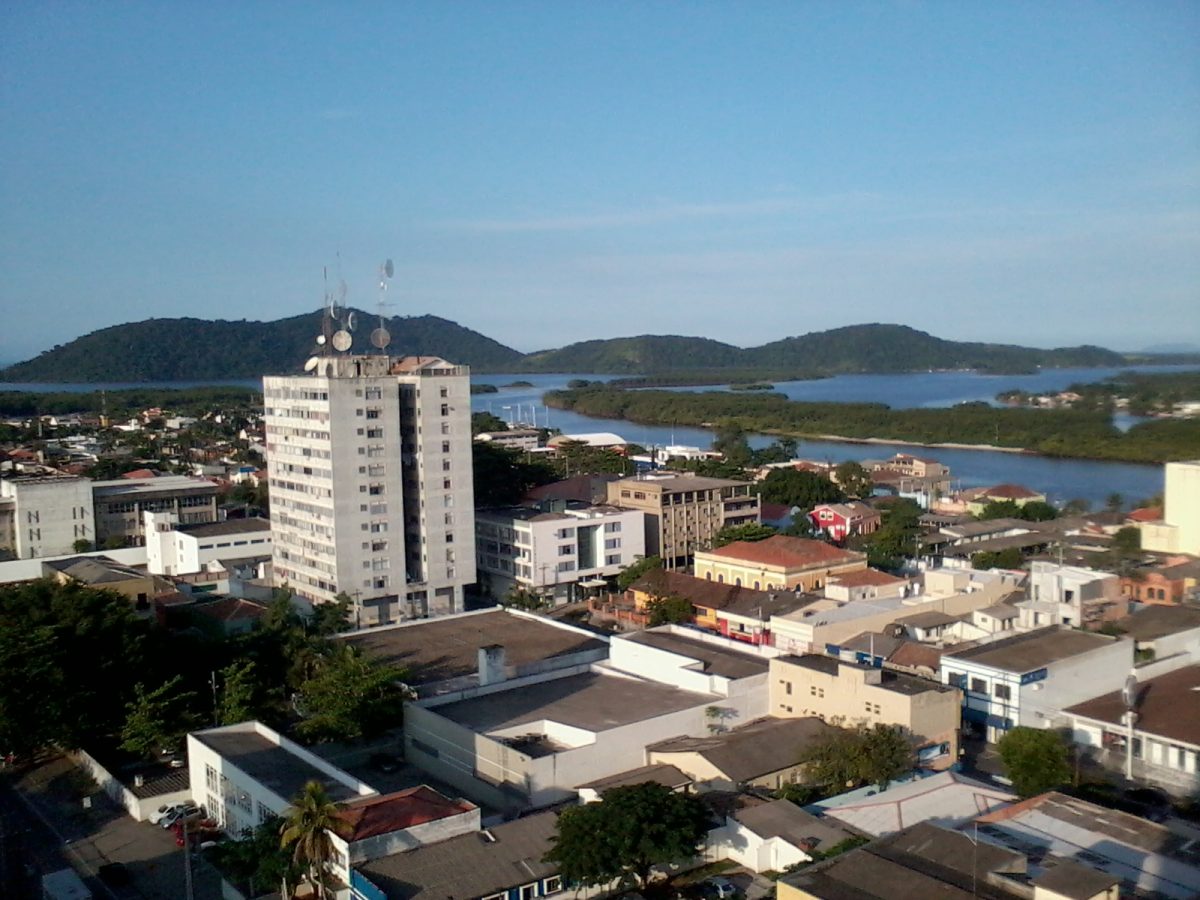
Paranaguá is a city caught between two worlds. Its streets hum with the restless energy of a working port, where cranes groan under the weight of shipping containers and the air carries the sharp tang of salt and diesel. Yet just a few blocks away, the pace slows. Colonial-era buildings stand weathered but proud, their peeling facades and wrought-iron balconies whispering of centuries past. This isn’t the Brazil of glossy postcards—no sun-bleached beaches or samba rhythms here. Paranaguá is rough around the edges, unpolished, and all the more compelling for it. It doesn’t try to charm visitors; it simply exists, and that’s what makes it worth discovering.
Founded in the mid-1500s, the city quickly became one of the first major ports in southern Brazil, a gateway for European goods and the riches of the New World. Today, it remains a vital link between the country’s interior and the Atlantic, its waterfront lined with warehouses and docks where ships from across the globe load and unload their cargo. The rhythm of life here is dictated by the tides and the demands of trade—trucks rumble through the streets, fishermen mend their nets at dawn, and the harbor never sleeps. But step away from the bustle, and the city reveals another side. Narrow cobblestone lanes wind past churches with crumbling stucco and squares where old men play dominoes under the shade of ancient trees. Time moves differently in these pockets of the city, as if the past hasn’t quite let go.
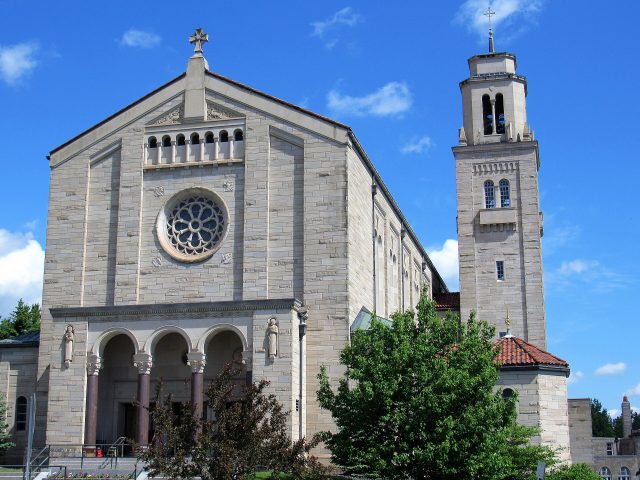
The historic center of Paranaguá feels like a place preserved by accident rather than design. The streets are uneven underfoot, worn smooth by generations of footsteps, and the buildings bear the marks of time—faded paint, rusted window grilles, signs for shops that have been here for decades. At its heart stands the Igreja do Bom Jesus dos Perdões, its tall bell tower offering a sweeping view of the city and the bay beyond. Nearby, a small museum holds fragments of the city’s early days: yellowed maps, tools used by the first settlers, and photographs that trace Paranaguá’s evolution from a modest settlement to a thriving port. The locals don’t rush to modernize; they live alongside history, and it shows in the quiet dignity of the place.
Beyond the old town, life unfolds at its own unhurried pace. Fishermen return with the morning’s catch, their boats heavy with shrimp and fish, while market vendors arrange piles of tropical fruit and fresh seafood on wooden tables. On the outskirts, dockworkers gather in no-frills cafés, sipping strong coffee and swapping stories. Paranaguá isn’t a city that caters to tourists—there are no crowds jostling for the best photo spots, no souvenir stalls hawking trinkets. Instead, it offers something rarer: the chance to wander without an agenda, to watch the ebb and flow of daily life, or to stroll along the waterfront where the bay shifts from glassy calm to storm-tossed fury depending on the weather.
The city is also a gateway to some of Brazil’s most untamed landscapes. Just beyond its borders, mangrove forests teem with life—herons stalk the shallows, crabs scuttle through the roots, and the air hums with the calls of unseen birds. Further inland, mist-cloaked mountains rise, their slopes thick with jungle. Locals often escape to nearby waterfalls for picnics or cast their lines in the river’s estuary, where the water is brackish and the fishing is good. Paranaguá isn’t just a port or a relic of the past; it’s a threshold to the wild, unfiltered beauty of southern Brazil. There are no tour buses here, no overpriced restaurants or staged performances. What you’ll find instead is a place that feels untouched by mass tourism, a corner of the country that still moves to its own rhythm.
See & Do
4 places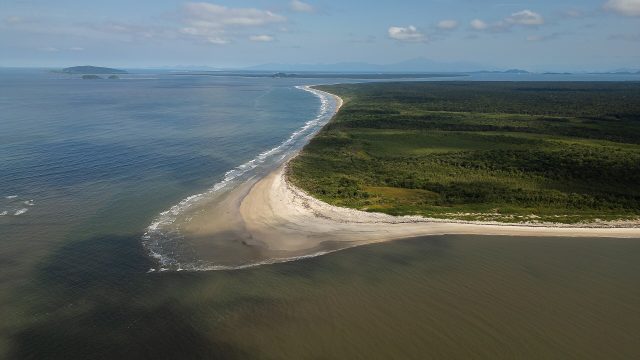
Places on the map
Marker colour follows the categoryClimate and weather
Detailed weather: Paranaguá- Average temperature
- 21 °C
- Precipitation per year
- 2188 mm
Average air temperature
°C
24
25
25
22
20
18
17
18
19
21
22
24
Jan
Feb
Mar
Apr
May
Jun
Jul
Aug
Sep
Oct
Nov
Dec


