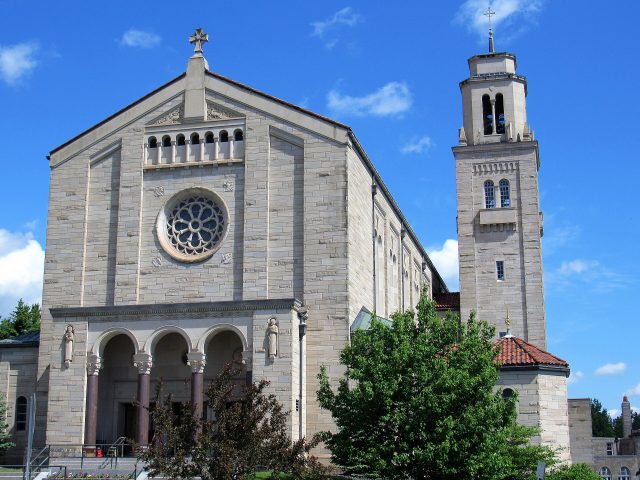
João Gualberto Square in Paranaguá
This is where the city reveals itself slowly, without fanfare. Tucked in the historic center, the square sits where streets still follow the rhythm of colonial times. The buildings remember the bustle of 18th-century port life—Paranaguá was once southern Brazil’s most important trading hub. Here, deals were struck, news from Europe debated, and merchants and sailors gathered at dusk to swap stories.
The architecture blends Portuguese influences with local traditions. Houses have high ceilings, wooden balconies, and wrought-iron window grilles—built to keep out the heat with thick walls and narrow windows. Some still have their original details; others have been renovated. The Church of Our Lady of the Rosary stands on one side, its facade hiding a carved altar and ancient icons from a time when faith and commerce walked together.
João Gualberto, the man the square is named after, isn’t widely known outside Paranaguá. A 19th-century figure, he fought for the region’s development, ensuring the city didn’t fade beside larger ports. His name isn’t tied to politics or trade but to persistence—a trait valued here. The square isn’t a memorial. It’s where people still gather, stroll, and trade, just as they did a century ago.
Today, the square is both a historical landmark and part of everyday life. In the mornings, stalls sell fresh fruit, local coffee, and pastries. By midday, street musicians appear. By evening, benches fill with voices—neighbors chatting, people sipping mate. On weekends, farmers from nearby villages sell their harvest. The air smells of spices, tropical fruit, and grilled fish.
Paranaguá isn’t a tourist hotspot. No beaches draw crowds; no carnivals attract global visitors. That’s why it’s worth visiting. The city lives at its own pace, untouched by trends. Spend an hour or a day watching light shift on old buildings, children play under trees, elders debate news over dominoes.
Around the square, cafés serve regional dishes. Try *barará*, a bean and meat stew eaten at all hours, or crab-filled pastries from the bay. Locals stop for a quick bite after work or linger over coffee while life unfolds. Menus aren’t in English. Service isn’t rushed. This is how a real Brazilian town moves.
João Gualberto Square doesn’t dazzle at first glance. It doesn’t shout about its beauty. That’s the charm. Sit on a bench, listen to the local dialect, watch people pass. You’ll see Paranaguá isn’t just a dot on the map. It’s where history and the present coexist so naturally they’ve become one.