Andria’s cathedral stands as a quiet witness to centuries of history, its stones holding stories of faith and time. Tucked in the heart of this small Apulian town, it doesn’t attract the crowds of Rome’s basilicas or Florence’s cathedrals. That’s part of its appeal. Here, the past lingers in the cool dimness of the nave or the echo of footsteps on worn flagstones.
The cathedral’s first records date to the 11th century, when Andria was a fortified stronghold on Norman territory. It began as a modest church, built over an older structure, possibly an early Christian site. As the town grew wealthier, so did the cathedral. The biggest change came in the 13th century under Frederick II, the Holy Roman Emperor who favored Apulia. He aimed to make his lands a cultural center, and Andria benefited. During his reign, the cathedral took its current shape—massive walls, pointed arches, and a mix of Romanesque and early Gothic styles.
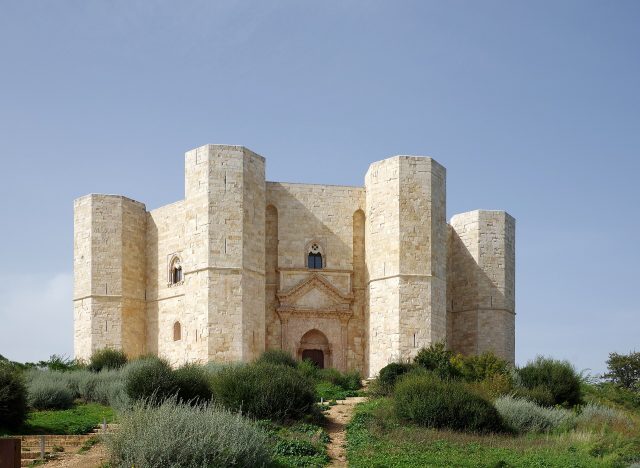
The facade looks like a fortress, with twin towers and narrow windows. The heavy stone blocks suggest a building meant for defense as much as worship, a nod to medieval times when churches were refuges during sieges. The entrance has a carved portal with biblical scenes and geometric patterns. Above the door, a rose window glows in the warm hue of local limestone.
The interior feels vast yet intimate.
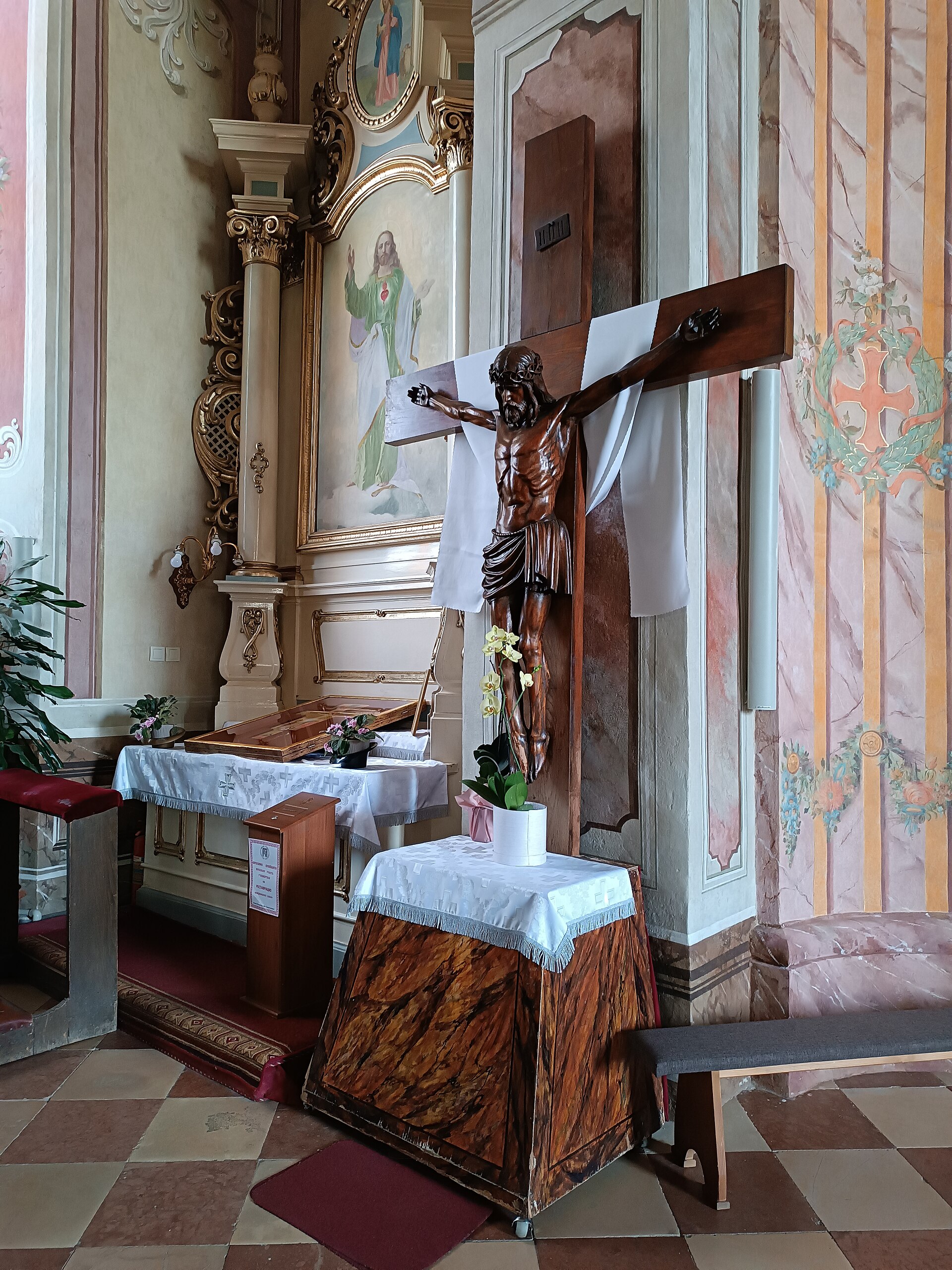
The high vaulted ceilings, supported by sturdy columns, let in light despite the solid stone. The walls hold frescoes from the 13th and 14th centuries. The figures in these paintings are elongated, their movements stiff but expressive. One of the most striking is the Last Judgment, where angels sound trumpets and the saved and damned are separated. In the dim light, these images seem to move, telling stories without words.
Beneath the altar lies the crypt, the oldest part of the cathedral. Low ceilings and thick columns create a sense of enclosure. Faded frescoes cover the walls, and relics of local saints rest here. Pilgrims still come to pray by candlelight. The crypt feels like another world, where time slows.
The cathedral was once a center of learning. Manuscripts were copied here, noble children educated, and political decisions made. Coronations took place within its walls, alliances were forged, and important documents stored. Today, it remains an active church, though Andria has lost its former prominence. Yet inside, the centuries fade. The same candles burn, the same prayers are whispered.
Andria isn’t on most tourist maps, which makes the cathedral special. No crowds, no rush. You can sit on a wooden pew, listen to the silence, and wonder about all who came before.
Sometimes, the cathedral hosts concerts of sacred music. The sound of choir or organ fills the space, bouncing off the vaulted ceilings. It’s a way to experience the place differently, where architecture and music merge.
Andria’s cathedral isn’t just a building. It’s part of the town’s identity, its history etched into every stone. It doesn’t ask for attention, but for those who visit, it offers something rare: a sense of continuity. In a fast-moving world, places like this ground us in the past.