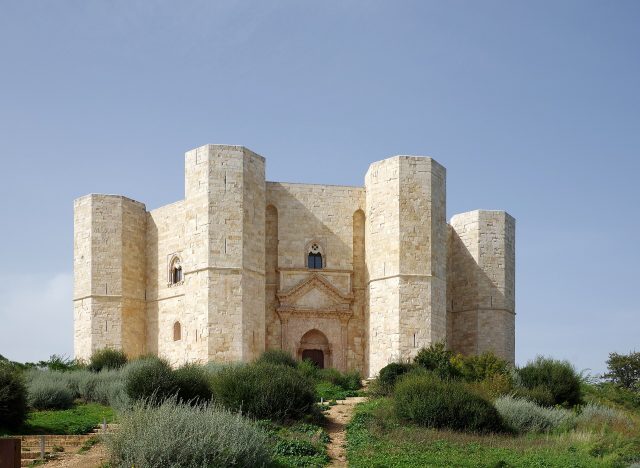
Palazzo Ducale in Andria is one of those rare places where time seems to have paused, leaving behind the quiet dignity of medieval Apulia. Built in the 13th century, this fortress-like palace once served as the seat of local rulers, a silent witness to the region’s shifting fortunes. Today, it stands at the heart of the town, a reminder of an era when Andria was more than just a quiet provincial settlement—it was a place of consequence in southern Italy.
The architecture of the palace reflects the layered history of Apulia, where Norman and Gothic influences merged over centuries. From the outside, the building appears stern and unyielding, its thick walls and narrow windows designed more for defense than display. Yet step inside, and the details soften—pointed arches, intricately carved stonework, and fragments of faded frescoes hint at the craftsmanship of another age. The inner courtyard, in particular, evokes a sense of grandeur, a space where banquets and tournaments might once have unfolded under the watchful eyes of nobility.
The palace’s story is closely tied to the Angevin dynasty, which ruled the Kingdom of Naples during its golden age. Under their reign, Palazzo Ducale took on much of its current form, hosting kings and dignitaries whose footsteps have long since faded. Some say one of its towers was used as a prison for political detainees, though the passage of time has blurred the lines between fact and legend. What remains certain is the building’s role as a backdrop to power—its walls holding secrets that history has yet to fully reveal.
Over the centuries, the palace changed hands and purposes. It housed administrative offices, then a school, each new function leaving its mark on the structure. Some interiors were lost, facades altered, but the core of the building endured. Even now, its presence is imposing, a tangible link to a past when Andria was a hub of activity rather than a sleepy town on the edge of the Apulian countryside.
Today, Palazzo Ducale is more than just a relic—it’s a living part of Andria’s cultural life. The halls that once echoed with the voices of nobles now host exhibitions of local art, while the courtyard comes alive in summer with concerts of classical music. The contrast is striking: the same stones that once bore the weight of medieval politics now resonate with the notes of a violin, bridging centuries in a single evening.
Andria itself is not the kind of place that draws crowds. It lacks the tourist hordes of Rome or Florence, and that’s part of its charm. Here, you can wander the narrow streets without rushing, pause in the palace courtyard, and let your imagination drift back to a time when life moved at a different pace. The town is small but rich in atmosphere—old churches, quiet piazzas, and family-run trattorias where the wine is local and the olive oil is pressed just down the road.
What makes Palazzo Ducale special isn’t its opulence or fame, but its authenticity. It doesn’t compete with the grand palaces of Tuscany or the ruins of Rome; instead, it offers something quieter, more intimate. There’s a sense of continuity here, a feeling that the past isn’t just preserved but still alive in the creak of a wooden door or the play of light on ancient stone. If you find yourself in Apulia, take the time to visit Andria. Climb the steps of the palace, run your fingers along the worn walls, and listen for the faint echoes of history that linger in the air.