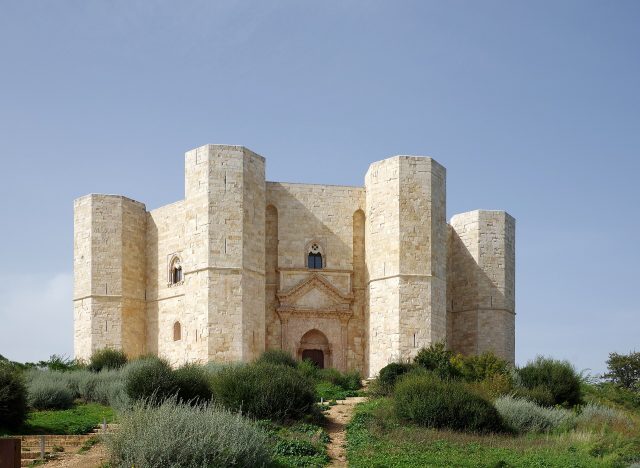
Santa Maria dei Miracoli in Andria is one of those rare places where time seems to have paused, leaving behind the quiet spirit of medieval Apulia. Tucked away on the edge of the town, it stands where Norman lands once met Byzantine territory, a silent witness to centuries of shifting borders and forgotten conflicts. Few visitors make their way here, and that’s part of its charm. There’s no crowd, no rush—just the soft murmur of wind against old stone and the way sunlight filters through narrow windows, as if carrying whispers from the past.
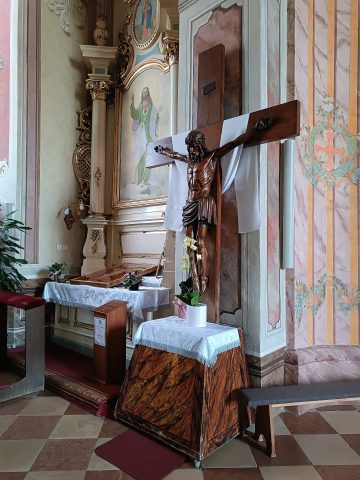
The church’s architecture tells a story of layers, each one revealing a different chapter in the region’s history. From the outside, it appears unassuming: rough-hewn limestone walls, a squat bell tower, and little ornamentation to hint at what lies within. But step inside, and the contrast is striking. The interior is rich with frescoes, many dating back to Byzantine times, their colors still vivid despite the centuries. The faces of saints gaze down with an almost unsettling intensity, their expressions restrained yet full of quiet emotion—a hallmark of the era’s religious art. Geometric patterns adorn the vaulted ceilings, while slender columns support arches that seem too delicate for their age.
Over the years, the church has changed, though never entirely. In the 13th century, under Frederick II, it underwent renovations that introduced Gothic elements—pointed arches and ribbed vaults that gave the space a new lightness. Later, during the Baroque period, local craftsmen attempted to modernize it with elaborate stucco work, but these additions were mostly superficial. Today, the building remains a patchwork of styles, each era leaving its mark without erasing what came before. It’s like flipping through the pages of a book where every chapter has been written over, yet the original text still shines through.
One of the church’s most enduring legends is tied to its namesake miracle. According to local tradition, in the 13th century, an icon of the Virgin Mary housed here began exuding a fragrant oil, drawing pilgrims from across Apulia. Some still claim that on certain days, an unusual glow appears above the church, though scholars attribute this to the way light plays on the limestone walls. Whether fact or folklore, the story has woven itself into the fabric of the place, making it more than just a historical site. For many, Santa Maria dei Miracoli remains a living connection to faith and the past, where the line between the two blurs.
Outside, a small courtyard enclosed by a low stone wall offers a quiet retreat. This was once the burial ground for Andria’s nobility, and weathered tombstones still stand among the olive trees, their inscriptions worn smooth by time. The air here carries the scent of dry grass and sun-warmed stone, and if you listen closely, you might hear the distant chime of the church bell. It’s a place where time moves differently—slowly, deliberately—far from the bustle of more famous destinations.
Despite its age and significance, the church hasn’t been turned into a museum. It’s still an active place of worship, and on Sundays, locals gather for services that follow ancient rites, their voices rising in Gregorian chants. Even if you don’t understand the words, the atmosphere is unmistakable. On weekdays, the church is usually open to visitors, though early mornings or late afternoons are best for seeing the frescoes in soft, natural light.
Andria isn’t a town that gives up its secrets easily, and Santa Maria dei Miracoli is one of them. It doesn’t call attention to itself or compete for tourists with flashy signs. But those who stumble upon it often leave with the sense of having touched something real, something untouched by the passage of time. Maybe that’s the true miracle—not the legends of weeping icons, but the way the church preserves the memories of those who once knelt beneath its arches, praying, hoping, and living out their lives.
If you find yourself in this part of Apulia, it’s worth taking a detour to see it. After all, there aren’t many places left where you can step out of the present and into a story that began centuries ago. And sometimes, that’s enough.