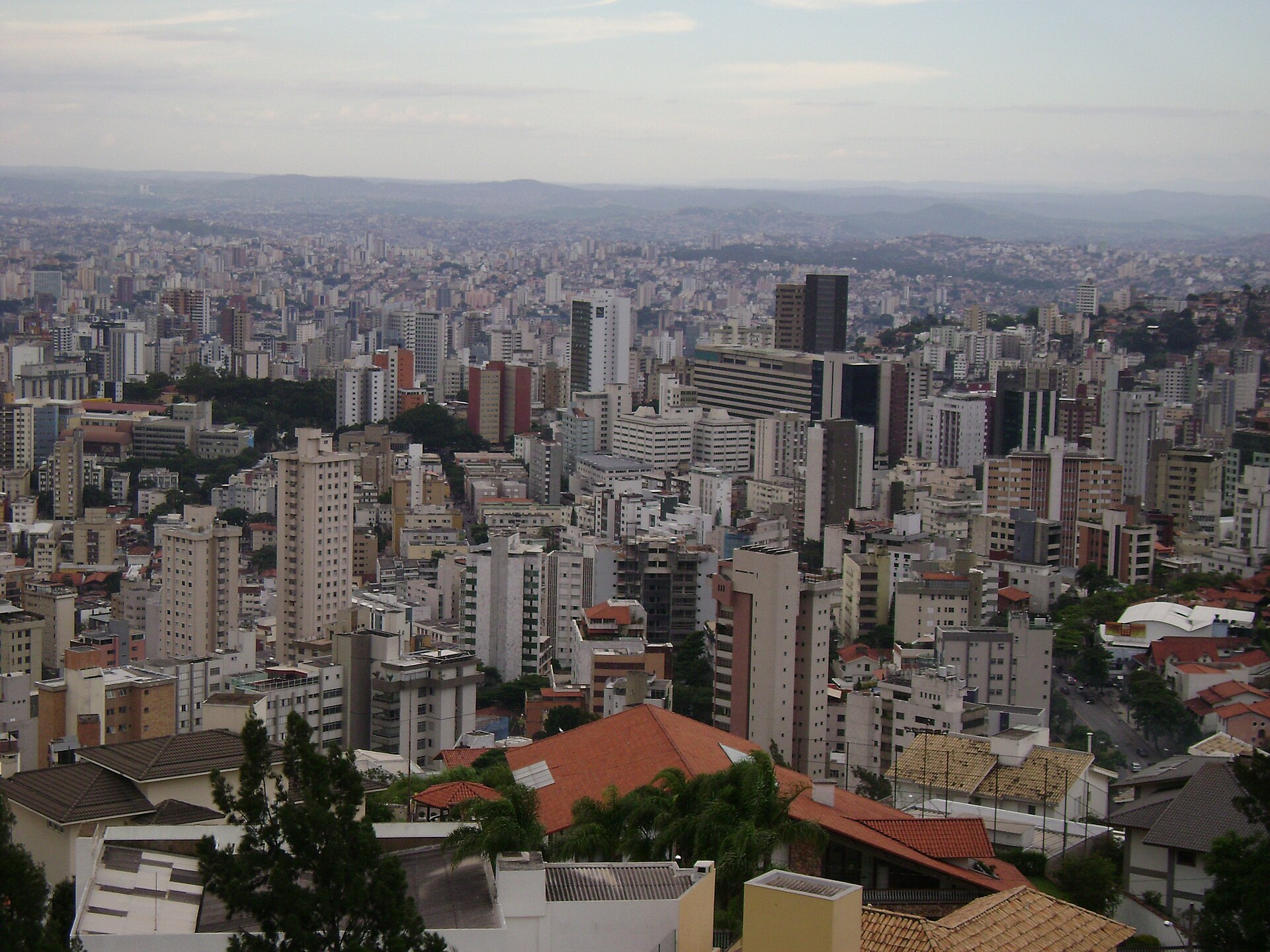
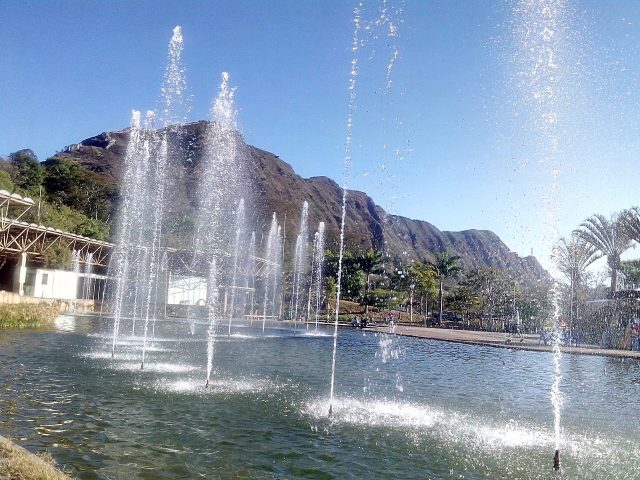
Belo Horizonte isn’t the kind of city that reveals itself at first glance. Unlike Rio with its beaches and carnival or São Paulo with its towering skyscrapers and relentless energy, the capital of Minas Gerais moves to a quieter rhythm, nestled among rolling hills. There’s no ocean here, but there’s something else—green parks, winding streets, and an atmosphere that feels like stepping into an old novel. One of the best places to understand the city’s character is the Mangabeiras viewpoint, perched high above the urban sprawl. From here, Belo Horizonte doesn’t look like a postcard; it feels alive, a city stretching between mountains and sky, breathing in its own time.
Mangabeiras isn’t just a lookout point—it’s part of a larger nature park that shares its name. The park was established in the 1960s, when the city’s rapid growth made preserving green spaces a priority. Trails were carved into the hillsides, and eventually, the viewpoint took shape, offering a sweeping panorama of the city below. From this height, you can see how Belo Horizonte fits into the landscape: forested ridges give way to dense neighborhoods, while distant mountain ranges frame the valley. On clear days, the horizon seems endless, a reminder that the world is vast and the city just a small part of it.
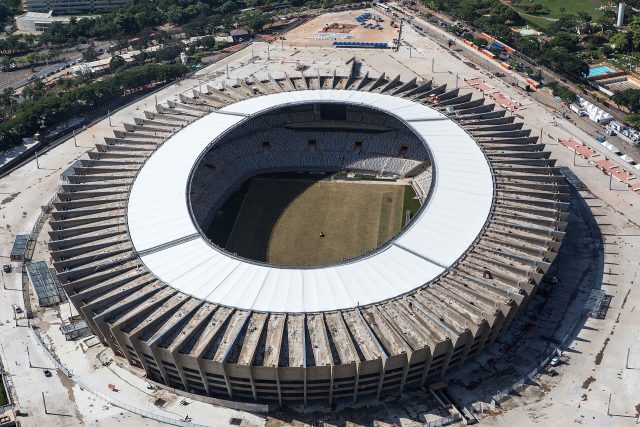
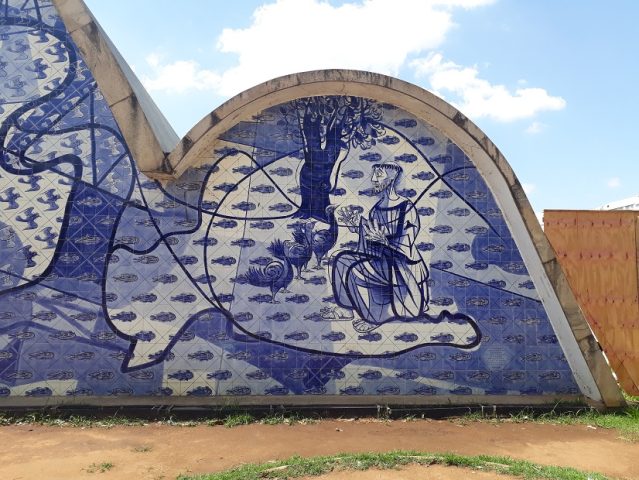
The architecture of Belo Horizonte is particularly striking from this vantage point. Designed in the early 20th century as the new state capital, the city was planned with precision. Unlike the chaotic layouts of older colonial towns, Belo Horizonte has wide avenues, geometric blocks, and plenty of green spaces. From Mangabeiras, you can spot landmarks like the modernist Pampulha Complex, designed by Oscar Niemeyer, the Mineirão Stadium, which hosted World Cup matches, and even the skyline of the downtown area. But what’s most compelling isn’t the buildings themselves—it’s how they blend with the natural surroundings. The city doesn’t overpower the landscape; it grows from it, and that harmony is visible even from a distance.
Mangabeiras is worth visiting at any time of year, though spring and autumn have their own magic. In spring, the park bursts into bloom, filling the air with the scents of native plants. Autumn brings crisper air and clearer views of the distant mountains. Summer, with its rainy season, turns the greenery lush and vibrant, though clouds can sometimes obscure the panorama. Winter, when the highlands of Minas Gerais grow cool, transforms the viewpoint into a quiet retreat. Mornings are especially peaceful here, as the sun rises over the horizon, casting a golden glow over the rooftops below.
This isn’t just a place for views—it’s where you can feel the pulse of Belo Horizonte. Locals come here to jog, walk their dogs, or simply sit on a bench with a book or guitar. On weekends, the park comes alive with families, photographers chasing the perfect shot, and couples watching the sunset. The atmosphere is relaxed, free from the crowds that flock to Brazil’s more famous attractions. There’s a sense of authenticity here, as if the city is letting you in on a secret it doesn’t share with everyone.
The history of Mangabeiras is intertwined with that of Belo Horizonte itself. When the decision was made in the late 19th century to move the state capital from Ouro Preto to a new location, this valley was chosen for its potential. The city was built with careful planning, taking the terrain and climate into account, and preserving green spaces was a key part of the vision. Mangabeiras became a place where residents could escape urban life, a symbol of the balance between development and nature. Today, it’s one of the few places in Brazil where you can see how a city and its wild surroundings can coexist without one overshadowing the other.
The viewpoint also offers a glimpse into why Belo Horizonte is often called a city with a European character. There’s no tropical exoticism here—instead, you’ll find cozy cafés, historic mansions, and an atmosphere reminiscent of Portugal or Italy. From above, the city looks orderly, almost like a model. But once you descend, you’re immersed in the rhythm of daily life: bustling markets, small bars with live music, streets where every block has its own story. Mangabeiras serves as a kind of prologue to the city—first, you see it as a whole, then you begin to uncover its details.
If you visit in the late afternoon, you might catch one of the most beautiful sights: the sunset over Belo Horizonte. The sun dips behind the mountains, painting the sky in shades of pink and orange, while the city below slowly lights up. In those moments, time seems to slow down, and you can just stand there, watching, without a thought in your head. Later, when darkness falls, the viewpoint reveals another side of Mangabeiras. The city at night looks like a scattering of lights, and only the silhouettes of trees remind you that you’re still in the park, not soaring above it.
Mangabeiras doesn’t demand attention—it simply exists. It doesn’t need rave reviews or Instagram photos, though it certainly deserves them. What matters here is something quieter: the space, the stillness, the chance to see the city from an unexpected angle. This isn’t a place to check off a list; it’s somewhere you’ll want to return to, to confirm that Belo Horizonte is just as you remembered. Or to realize that it’s changed, grown, but still remains itself.