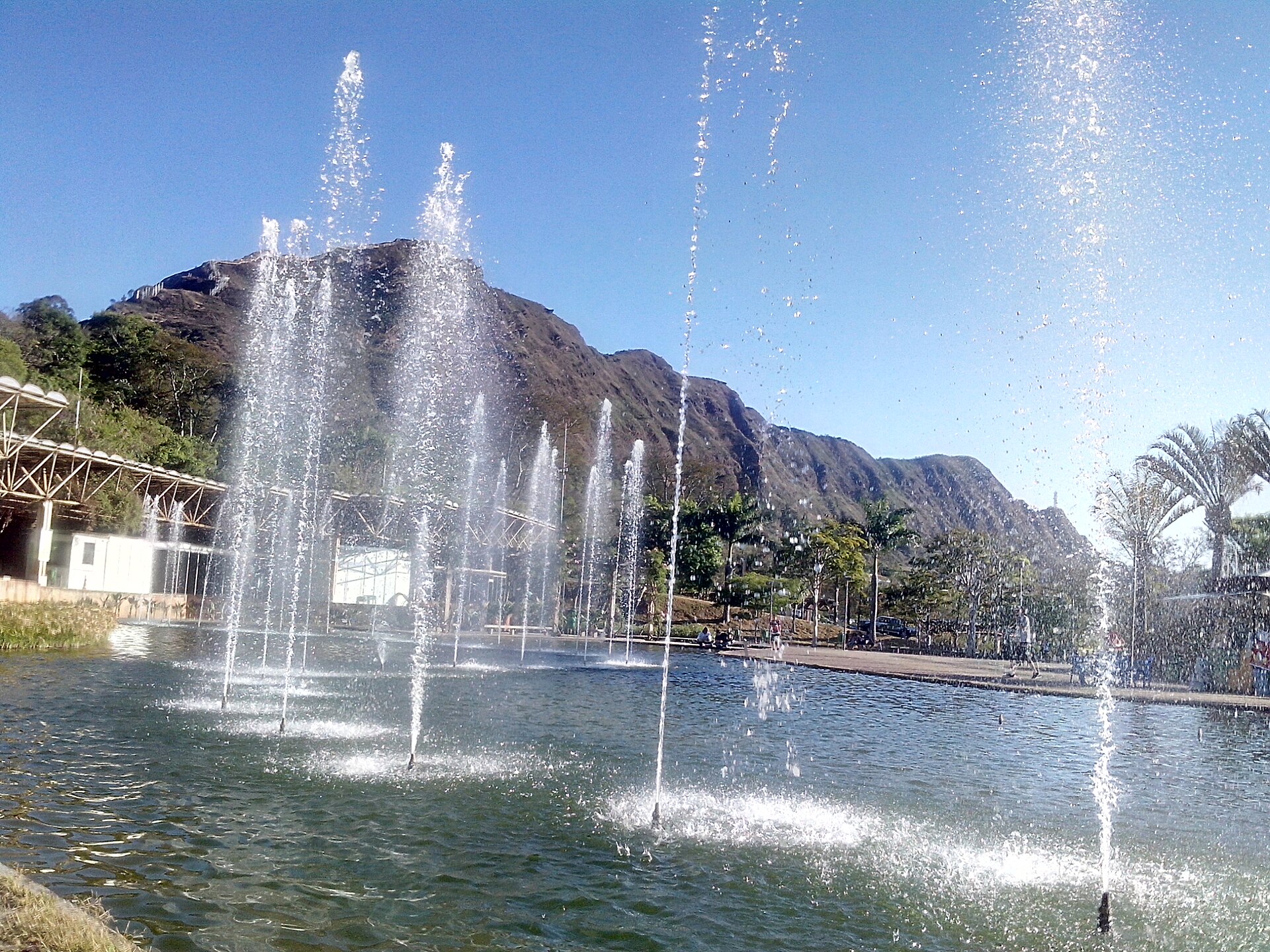
Mangabeiras Park is where Belo Horizonte yields to the wild. Stretching across over three thousand hectares of the Serra do Curral mountain range on the southeastern edge of the city, it feels like a world apart. Here, the usual city sounds fade into the rustling of leaves, birdsong, and the whisper of wind through the trees. The park is a protected natural reserve, home to some of the region’s most unique flora and fauna, a place where the landscape still dictates the rhythm of life.
The park’s creation was a response to the rapid urban expansion of the mid-20th century. As Belo Horizonte grew, swallowing up the surrounding land, local authorities recognized the need to preserve what remained of the area’s original wilderness. In the 1960s, Mangabeiras was established, named after the river that flows through it. Today, it serves as both a recreational space and a living laboratory for scientific research. Some areas are kept off-limits to visitors to protect the habitats of rare and endangered species, ensuring that the park remains a sanctuary for wildlife.
The trails winding through Mangabeiras are carefully designed to minimize human impact. Bridges and viewing platforms blend seamlessly into the landscape, offering glimpses of the surrounding beauty without disrupting it. The most famous of these is the Mirante da Serra do Curral, a lookout point that provides sweeping views of the city below and the distant mountains beyond. Along the way, artificial ponds dot the terrain, where turtles and small fish can often be spotted, adding to the sense of tranquility.
The park’s vegetation is a testament to the biodiversity of the Brazilian Cerrado, the vast tropical savanna that dominates much of the region. Hundreds of plant species thrive here, many of them endemic to this unique ecosystem. Among them is the pau-brasil, a tree once nearly driven to extinction for its valuable timber, now slowly making a comeback in protected areas like this. During the rainy season, the slopes burst into color as wildflowers bloom, filling the air with the scent of herbs and damp earth. The wildlife is just as diverse—squirrels, opossums, and dozens of bird species are common sights, while armadillos and small wildcats occasionally make an appearance, a quiet reminder of the park’s untamed nature.
For the people of Belo Horizonte, Mangabeiras is more than just a park; it’s a part of daily life. On weekends, it buzzes with activity as runners, cyclists, and families take advantage of the open space. On weekdays, it’s quieter, a place where someone can find solitude amid the trees. There are designated picnic areas with shelters and tables, but many visitors prefer the simplicity of spreading a blanket on the grass beneath the shade of a tree. In the summer, the park offers a cool respite from the city’s heat, while in the winter, the air feels especially crisp and clean.
The history of the Serra do Curral mountains is woven into the fabric of the region. Centuries ago, these hills were a source of gold and precious stones, drawing prospectors and adventurers to the area. Today, the remnants of that era are mostly gone, but the mountains still hold stories—of Indigenous peoples who once roamed these lands, of the bandeirantes who explored and exploited them, and of the gold seekers who left their mark. Walking the trails, it’s easy to imagine the generations of people who have passed through here, each leaving their own quiet imprint on the landscape.
Unlike many tourist attractions, Mangabeiras doesn’t offer grand spectacles or commercialized experiences. There are no amusement rides, souvenir shops, or cafes—just the raw beauty of nature. Entry is free, but visitors are expected to follow a few simple rules: no littering, no fires, no loud noises. These restrictions serve as a reminder that the park’s ecosystem is fragile, and its preservation depends on the respect of those who come here.
Mangabeiras is more than just a green space; it’s a part of Belo Horizonte’s identity. The city has always existed in harmony with its natural surroundings, and while modern development continues to reshape its skyline, places like this park serve as a reminder that nature is not just a backdrop to urban life. Whether you spend an hour or a full day here, each visit offers something new—a hidden trail, an unexpected view, or a chance encounter with wildlife. It’s a place that invites you to slow down, to observe, and to appreciate the quiet resilience of the natural world.
In an age where urbanization often comes at the expense of nature, Mangabeiras stands as a rare exception—a pocket of wilderness preserved within a bustling city. Its value lies not in what it offers, but in what it asks of its visitors: nothing more than a willingness to step away from the noise and to listen to the land. For those who do, the park rewards them with a sense of connection, not just to the place itself, but to something larger.