Slutsk holds its past in the cracks of its sidewalks and the shadows of its buildings. The town doesn’t shout its history—it lets you stumble upon it. One such stumble leads to the site of the former Slutsk ghetto, where in 1941, a Jewish community was forced into a fenced district and left to starve. No plaques mark the spot. No museum stands guard over the memories. That absence doesn’t erase the history—it makes it harder to ignore.
The ghetto was set up in autumn 1941, shortly after German occupation. Slutsk’s Jewish population had lived here for centuries, running businesses, teaching in schools, publishing books in Yiddish. By February 1942, the ghetto was liquidated. Most of its inhabitants didn’t survive. The few who escaped left behind fragmented accounts—survivor testimonies, official records, the occasional diary entry. These scraps tell a story of overcrowding, hunger, and disease, but the full picture is lost.
Today, the ghetto’s former location is just another neighborhood. Apartment blocks line the streets. Children play in courtyards. If you didn’t know, you’d never guess what happened here. But look closer. Some buildings still have pre-war architecture. The street layout hints at a time when this was a place of confinement, not freedom. Locals know the history, but outsiders rarely stop long enough to see it.
Before the war, Slutsk was a hub of Jewish life in Belarus. Synagogues stood beside churches. Schools taught in Yiddish. The community shaped the town’s commerce, education, and culture. Then the war came, and that world vanished. After 1945, Slutsk rebuilt itself, but the diversity was gone. Now, only scattered architectural details and rare archival mentions remain as reminders.
Walking through the ghetto’s former site is an exercise in imagination. There are no photographs of the place as it was, no firsthand descriptions of the conditions inside. What survives are fragments—testimonies, records, diary entries. These pieces, though incomplete, reveal a community trapped in impossible circumstances. The Slutsk ghetto was one of many across Nazi-occupied territories, but here, the lack of physical markers makes the history feel more immediate.
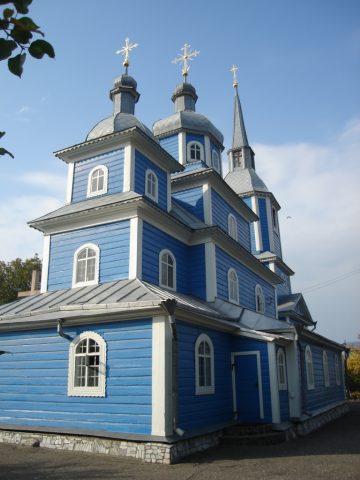
Slutsk moves at its own pace. Cobblestone streets lead to the Sluch River. Old churches stand as silent witnesses. For those who know where to look, history is visible beneath the surface. The ghetto’s site is one such layer—a place where the past isn’t commemorated with grand gestures but lingers in the gaps between buildings. It doesn’t draw crowds. It doesn’t offer easy answers. It asks for a moment of quiet acknowledgment.
Belarus has begun preserving Holocaust memory in recent years. Memorials have been erected in some cities. Exhibitions held. Books published. Slutsk hasn’t followed this path. No official monument stands here. No information boards explain what happened. Some might call this neglect. Others might argue that the lack of formal recognition makes the site more powerful. It’s not a museum exhibit. It’s a living part of the town, where history and the present coexist without fanfare.
If you visit Slutsk, this place offers a chance to consider how fragile memory is. No grand speeches. No dramatic displays. Just the quiet weight of what once was. You could walk past without noticing. Or you could pause and try to imagine the lives that unfolded here. The story of the Slutsk ghetto isn’t just a chapter in the town’s history. It’s a reminder that some wounds don’t heal, and some stories must not be forgotten.