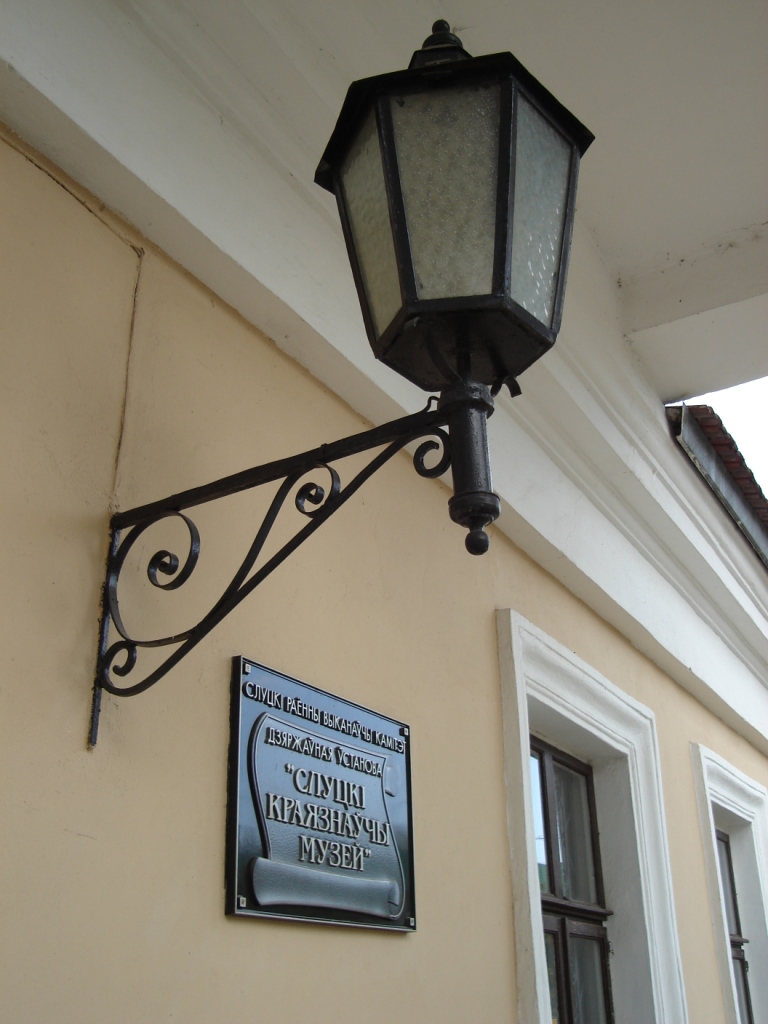
Slutsk is one of those Belarusian towns that quietly carries centuries of history within its streets, and the Slutsk Local History Museum is where much of that past is carefully preserved. Housed in a building that itself has witnessed the town’s transformations, the museum offers a glimpse into the layers of time that have shaped this part of the country. It may not be the largest or most famous museum in Belarus, but for those who take the time to visit, it reveals stories that connect the local to the national, the ordinary to the extraordinary.
The museum’s collection is a mix of archaeology, ethnography, and documents that trace Slutsk’s development from its earliest days. One of the most intriguing sections is devoted to the medieval period, when the town was a significant center of trade and craftsmanship. Artifacts like pottery, tools, and coins hint at the daily lives of people who lived here centuries ago, while maps and written records show how Slutsk grew into an important settlement along trade routes. The exhibits don’t just display objects—they weave them into a narrative about how the town became a crossroads of cultures, influenced by neighboring regions and distant powers.
A particularly notable part of the museum’s collection is dedicated to the Slutsk sashes, once a symbol of Belarusian nobility and craftsmanship. These intricately woven belts, known for their vibrant colors and complex patterns, were more than just accessories—they were markers of status and identity. The museum explains how the craft of making these sashes flourished in Slutsk during the 17th and 18th centuries, supported by local workshops and the patronage of wealthy families. While the original sashes are rare today, the museum’s displays help visitors understand their cultural significance and the skill required to create them.
The 19th and early 20th centuries are another focus of the museum, a time when Slutsk was part of the Russian Empire and later the Soviet Union. Exhibits from this period include photographs, personal belongings, and documents that reflect the social and economic changes of the era. There are stories of local industries, like textile manufacturing, which once thrived here, as well as accounts of how wars and revolutions reshaped the town and its people. The museum doesn’t shy away from the complexities of this history, presenting it in a way that feels honest rather than glorified.
One of the strengths of the Slutsk Local History Museum is its attention to the everyday lives of the town’s residents. There are displays of traditional clothing, household items, and tools that show how people worked, celebrated, and coped with the challenges of their time. These objects might seem simple at first glance, but they carry the weight of generations—each one a small piece of a larger story about resilience and adaptation. The museum also includes exhibits on local folklore and traditions, offering a sense of how Slutsk’s cultural identity has been passed down through the years.
The building that houses the museum is worth mentioning in its own right. It’s a modest but well-preserved structure that reflects the architectural styles of the late 19th and early 20th centuries. The interior has been adapted to serve as a museum, but some original details, like wooden floors and high ceilings, remain. The space is small enough to feel intimate, which makes the experience of exploring the exhibits more personal. There’s no overwhelming grandeur here—just a quiet, thoughtful presentation of history that invites visitors to linger and reflect.
For those who visit Slutsk, the museum is a good starting point for understanding the town beyond its surface. It doesn’t claim to tell the whole story of Belarus, but it provides a grounded, local perspective that’s often missing in broader historical narratives. The exhibits are curated with care, balancing the need to inform with the desire to engage. There’s no pretension, no attempt to oversell the town’s significance—just a straightforward, respectful look at what has made Slutsk what it is today.
If you’re passing through or spending a few days in the area, the museum is worth an hour or two of your time. It won’t take long to explore, but it might leave you with a deeper appreciation for the layers of history that exist in even the smallest of towns. Slutsk may not be a major tourist destination, but places like this museum remind us that every town has its own story to tell—and sometimes, those stories are the most compelling of all.