Jabiru Area School isn’t just a place where children learn their ABCs—it’s a reflection of life in one of Australia’s most remote and culturally rich corners. Nestled in the heart of Kakadu National Park, the school sits where the modern world brushes up against ancient landscapes and the living traditions of the Bininj people. The town of Jabiru itself is a small, tight-knit community surrounded by vast savannas, wetlands, and rocky outcrops that have been home to Indigenous Australians for tens of thousands of years. Here, education isn’t just about textbooks and exams; it’s about understanding the land, its history, and the delicate balance between progress and preservation.
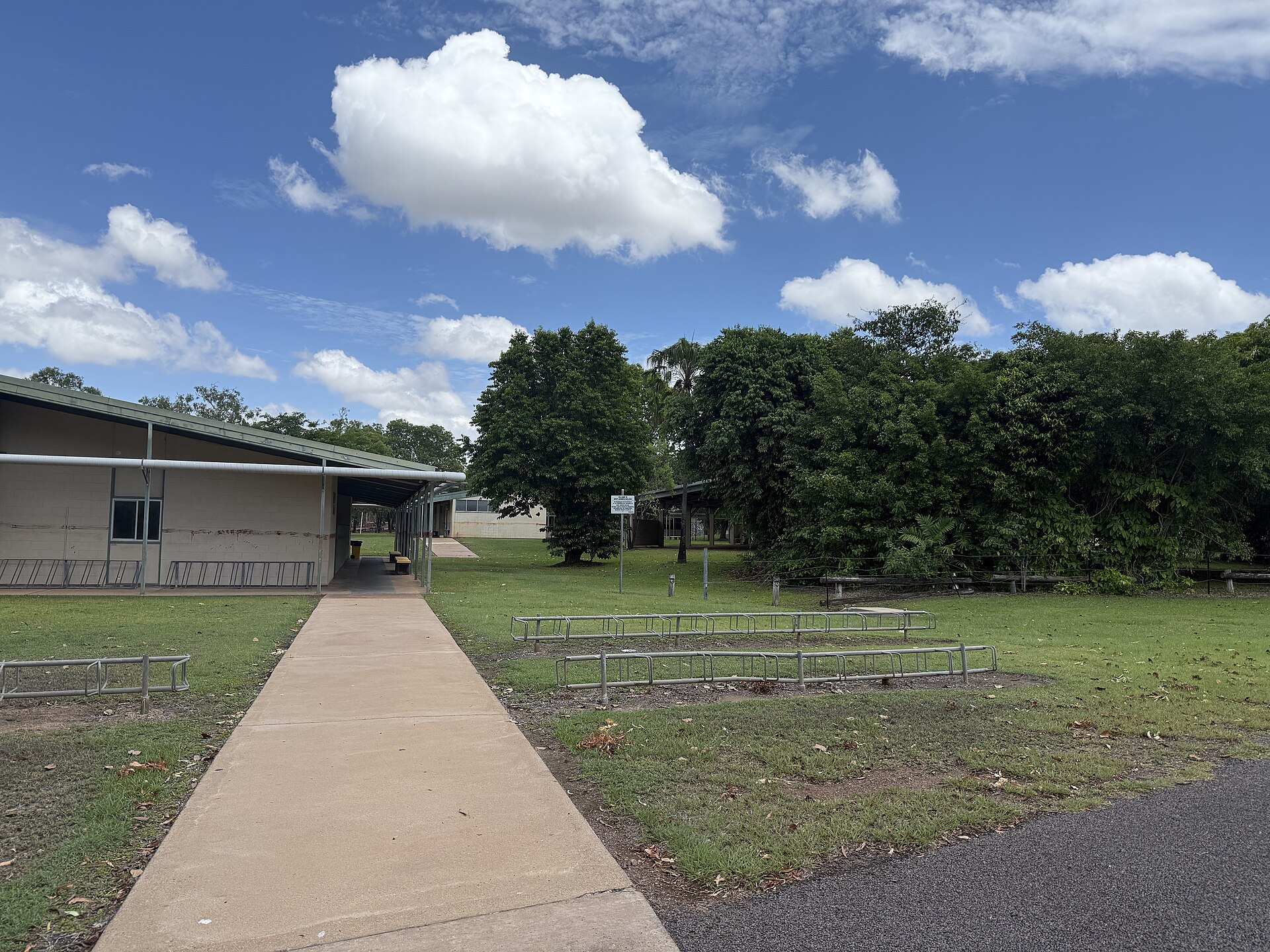
The school’s buildings are unassuming, designed to blend into the environment rather than stand out. Low-slung structures with wide verandas and corrugated metal roofs speak to the realities of life in the Top End—where the climate is hot, humid, and prone to weeks of relentless rain. Inside, the classrooms are functional, with the usual desks, a sports field, and a modest library. But what makes this place unique isn’t the facilities; it’s the context. The students come from diverse backgrounds—children of local Indigenous families, kids whose parents work in Kakadu’s tourism industry, and those whose families are tied to the nearby Ranger uranium mine. For many, the school is their first real introduction to the culture of the Bininj people and the challenges of living in a place where nature is both provider and adversary.
The school’s story is intertwined with Jabiru’s own history. The town was founded in the 1980s as a service hub for the Ranger uranium mine, one of the world’s largest. Back then, the school was built to serve the children of miners and engineers. But over time, Jabiru evolved. The mine’s influence waned, and the town became a gateway to Kakadu, drawing visitors from around the globe. The school adapted, too. What started as a basic educational facility grew into something more—a place where students learn not just math and science, but also the ecology of the region, the history of its Indigenous peoples, and the principles of sustainable living. It’s an education that tries to bridge the gap between the old ways and the new.
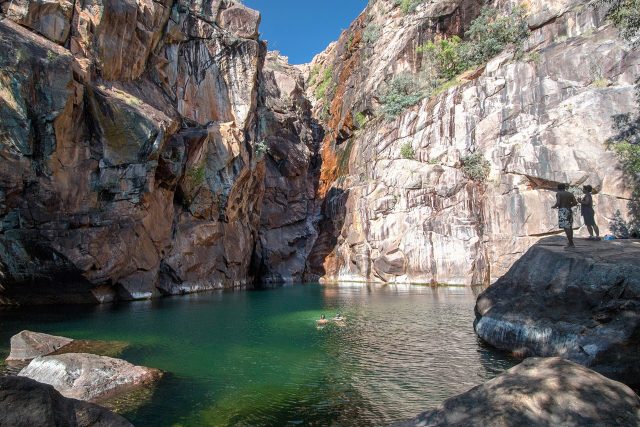
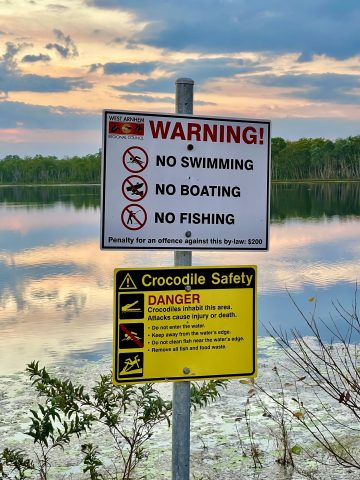
Lessons here don’t always happen within four walls. The school takes full advantage of its surroundings, with students frequently venturing into Kakadu for hands-on learning. They might spend a day tracking animal prints, identifying native plants, or learning how the Bininj people have used the land for generations. During the wet season, when the savanna floods and turns into a vast wetland, classes might be held outdoors, with students observing crocodiles, birds, and other wildlife in their natural habitat. In the dry season, when the waters recede, ancient rock art becomes a classroom, and teachers explain how these paintings connect to the myths and stories of the Bininj. For many children, these experiences are more than just field trips—they’re a way to understand their roots and why this land matters.
Jabiru Area School is also a place where cultures collide and coexist. Many of the Indigenous students speak English as a second or even third language, after Bininj Kunwok or Kriol. Teachers work to incorporate traditional knowledge into the curriculum, inviting elders to share stories about their people’s history, hunting techniques, and the ways they read the land. At the same time, the school provides students with the tools they need to navigate the wider world. For some, that means leaving Jabiru for opportunities in Darwin or other cities. For others, it means staying and working in the region—whether in tourism, conservation, or education. The school doesn’t just teach; it gives students choices.
Life in Jabiru isn’t always easy. The town moves to the rhythm of the seasons—cut off from the outside world during the wet season, when roads flood, and enduring the intense heat and humidity that define the Top End. But these challenges shape the school’s character. There’s no rush here, no anonymity. Teachers and students know each other by name, and school events often become community gatherings. At the end of the year, for example, the school might host a festival where students present projects on Indigenous culture or Kakadu’s ecology, while parents and visitors share food, stories, and laughter. It’s a reminder that in a place like this, education isn’t just about individual achievement—it’s about community.
For outsiders, Jabiru Area School isn’t a tourist attraction, but it offers a glimpse into a side of Australia that most visitors never see. There are no grand campuses or cutting-edge facilities here, but there is something far more meaningful: a deep connection to the land, its history, and the people who call it home. For the families of Jabiru, the school is where their children’s futures take shape. For travelers curious about life beyond Australia’s cities, it’s a window into a world where nature and humanity exist side by side—sometimes in tension, but more often in harmony. It’s a place where the past isn’t just studied; it’s lived.