Jabiru Golf Club isn’t just a place to play a round—it’s where the game dissolves into the landscape, leaving you with the quiet thrill of being somewhere wild and untamed. Tucked inside Kakadu National Park, the course sits at the edge of one of Australia’s most dramatic natural stages, where the usual distractions of city life give way to the rustle of grass underfoot, the calls of birds overhead, and the distant murmur of waterfalls. The small town of Jabiru, just a short drive away, serves as the gateway to this remote corner of the Northern Territory, a place where the land feels older than memory.
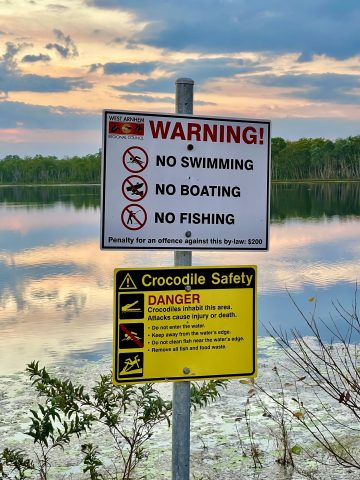
The club’s origins are tied to the region’s more recent history. In the 1970s, when uranium mining began in Kakadu, Jabiru sprang up as a company town for miners and scientists. The golf course came later, built as a retreat for those living and working in the area. Over time, it grew into something more—a rare kind of course that draws visitors not just for the sport, but for the chance to play against a backdrop of ancient rock formations and wetlands where crocodiles sometimes drift past like silent spectators. It’s one of the few places in the world where a sand trap might double as a habitat for a frilled-neck lizard.
The land here was once home to the Bininj people, who considered these grounds sacred long before golf clubs and fairways existed. The club’s design reflects that connection to the earth. There’s no grand clubhouse or manicured excess—just simple wooden buildings with low roofs and open verandas that blend into the surroundings. Even the artificial water hazards feel natural, merging seamlessly with the billabongs and swamps that define Kakadu’s landscape. The course doesn’t fight the environment; it works with it, bending around termite mounds and stands of eucalyptus as if they’ve always been part of the game.
Playing here is as much about adapting to the land as it is about skill. The course is laid out to test a golfer’s focus, with gusty winds, uneven terrain, and the occasional interruption from a wandering goanna or a flock of cockatoos. Some holes stretch toward the edges of billabongs, where in the wet season, hundreds of birds gather along the water’s edge. When the rains stop, the water recedes, leaving behind mudflats where herons and ibises pick their way through the shallows. The challenges aren’t just about distance or precision—they’re about reading the land, understanding its rhythms, and accepting that nature will always have the final say.
For many, a round at Jabiru is less about competition and more about immersion. There’s no pressure to keep up appearances, no sense of being watched or judged. Instead, there’s the quiet hum of the bush, the occasional splash of a fish breaking the surface of a water hazard, and the strange, slow realization that time moves differently here. Locals often say that after a game at Jabiru, you don’t just feel like you’ve played golf—you feel like you’ve stepped into another world, if only for a few hours.
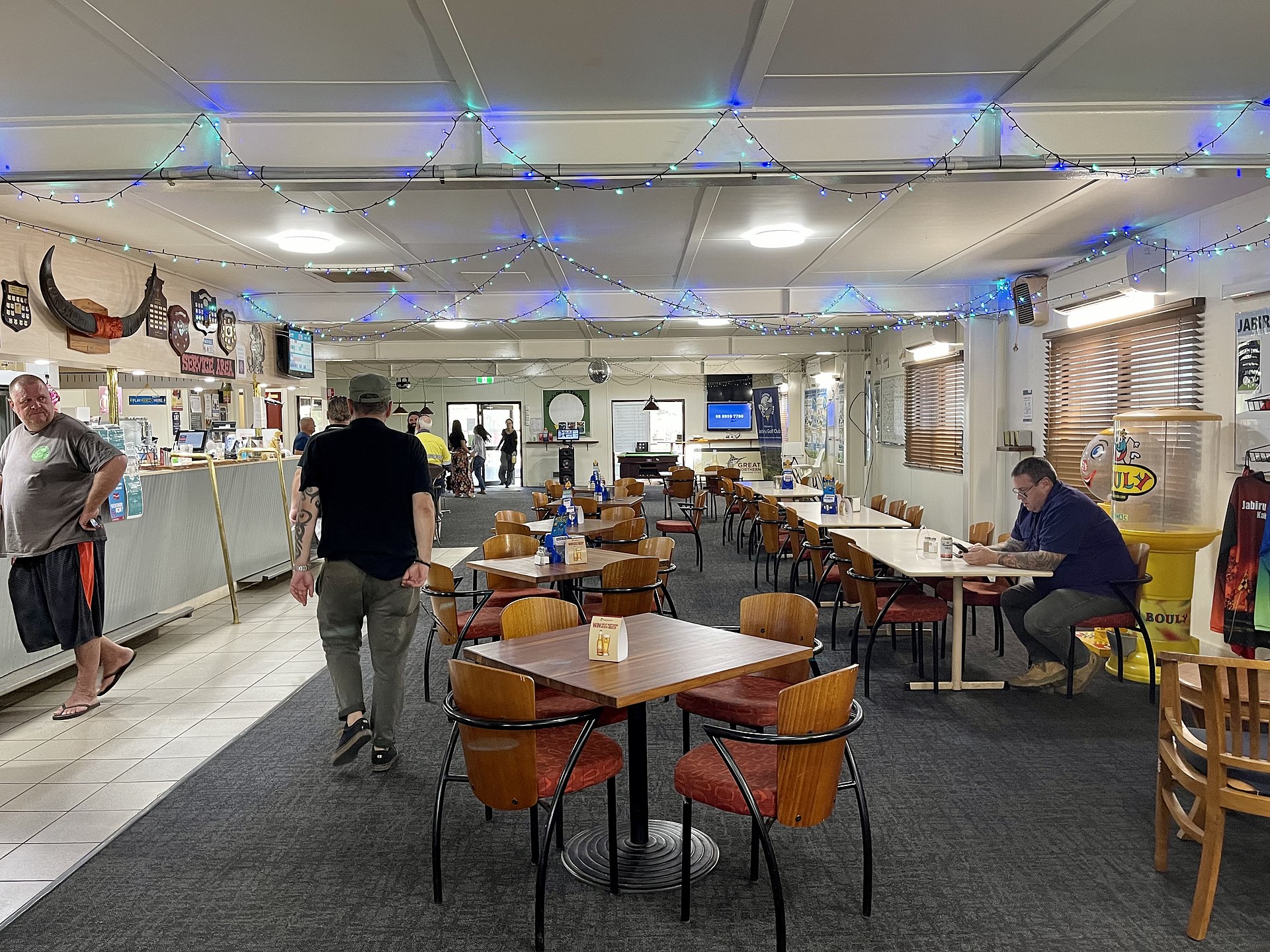
The club is open to everyone, but it’s not a resort-style experience. There are no luxury locker rooms or gourmet restaurants, just a basic canteen where you can grab a bite after your round and a bar where regulars swap stories about life in the bush. During the wet season, from November to April, the course can flood, so it’s best to visit in the dry months when the land is at its most vibrant. Even then, the conditions aren’t always perfect—this is a place where the elements dictate the game, not the other way around.
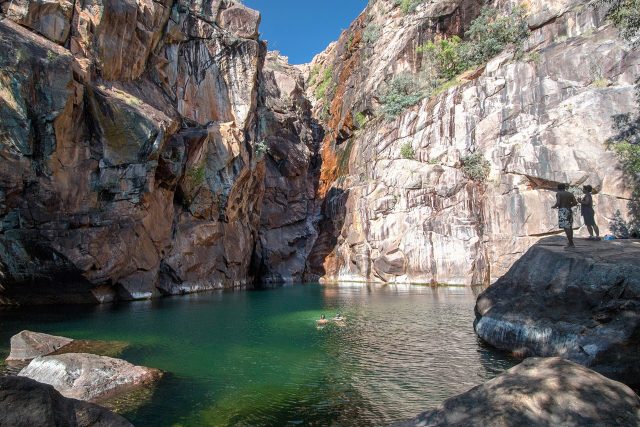
Jabiru itself is more than just a stop on the way to the golf course. After your round, you can explore Kakadu’s ancient rock art, where the stories of the Bininj people are etched into stone, some dating back thousands of years. Or take a drive to Jim Jim Falls or Twin Falls, where in the wet season, water crashes down in thunderous sheets. If you’re lucky, you might spot a black cockatoo or even a dingo wandering the outskirts of town, a reminder that this is still very much their land.
What makes Jabiru Golf Club special isn’t the quality of the greens or the challenge of the course—it’s the way it forces you to engage with the world around you. Whether you’re a seasoned golfer or a beginner, the experience here is less about perfecting your swing and more about tuning into the pulse of the land. That’s why people keep coming back: not for the scorecard, but for the rare feeling of being fully present in a place where nature still sets the rules.