Lake Jabiru lies in the north of Australia, within Kakadu National Park. The savannas and wetlands around it change with the seasons. From November to March, rain fills the lake until it mirrors the sky and the eucalypts along its banks. When the dry season comes, the water pulls back, exposing muddy edges where birds step carefully through the shallows.
The lake and the nearby town take their name from the jabiru stork. This bird, black and white with a bright red neck, has been part of the region’s identity for generations. Indigenous people called the place by other names, but European settlers in the mid-20th century used the jabiru as its marker. The lake is more than water—it’s part of an ecosystem where life has adapted to the rhythms of the Top End.
Kakadu, one of Australia’s largest national parks, was created in 1979 to protect this landscape. The park is known for its Aboriginal rock art, some dating back thousands of years. Around the lake, crocodiles rest on the banks, wild pigs move through the undergrowth, and goannas warm themselves on rocks. Birds are everywhere: jabirus, birds of prey, and others less common. For many, this is their first real look at Australia’s wild north.
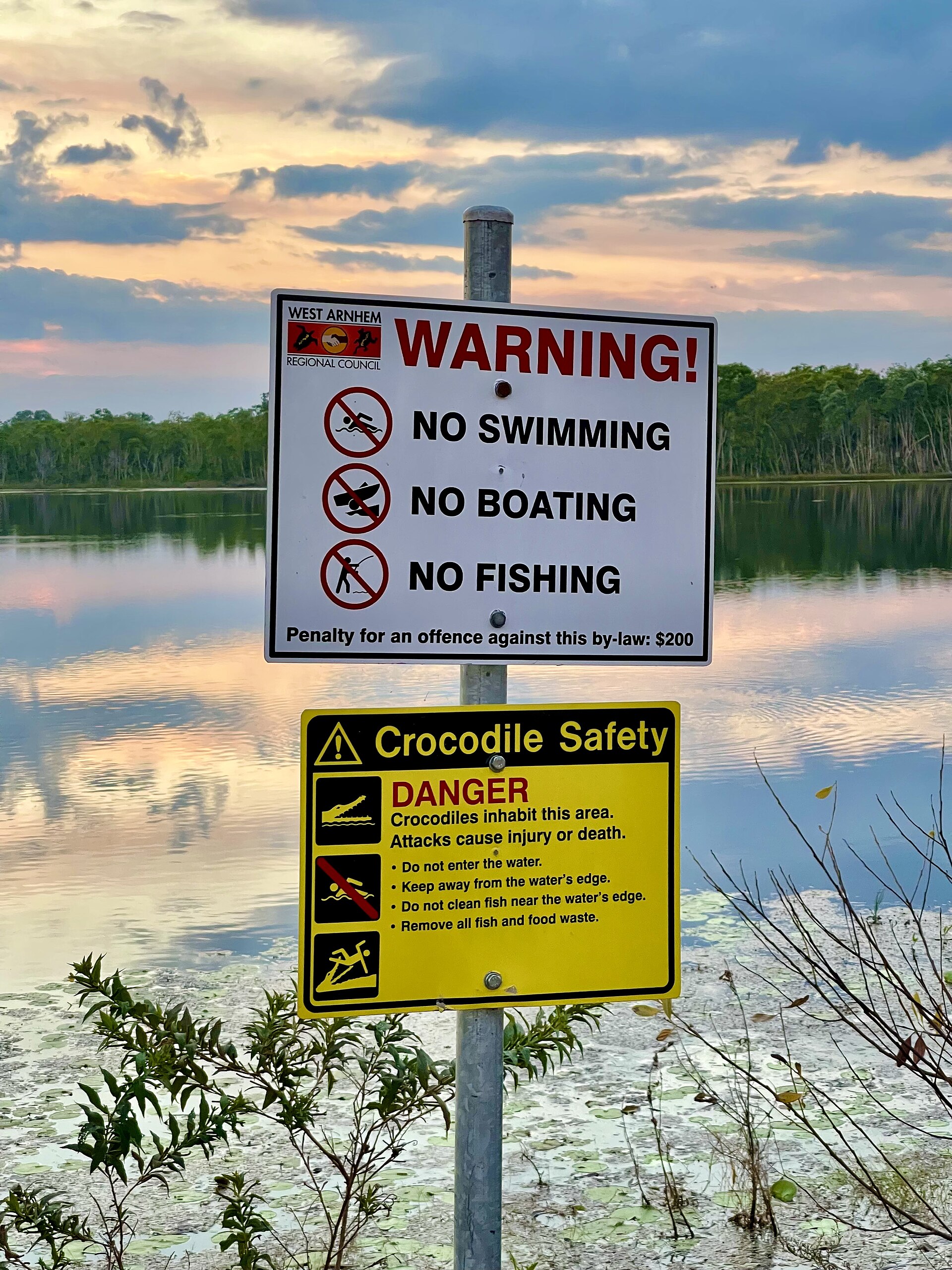
The lake is shallow, its edges lined with reeds. The water stays warm, but swimming isn’t safe—saltwater crocodiles, some over five metres long, live here. Locals and visitors keep their distance, watching from afar. Their movements along the shore or sudden splashes in the water remind you that this isn’t your territory.
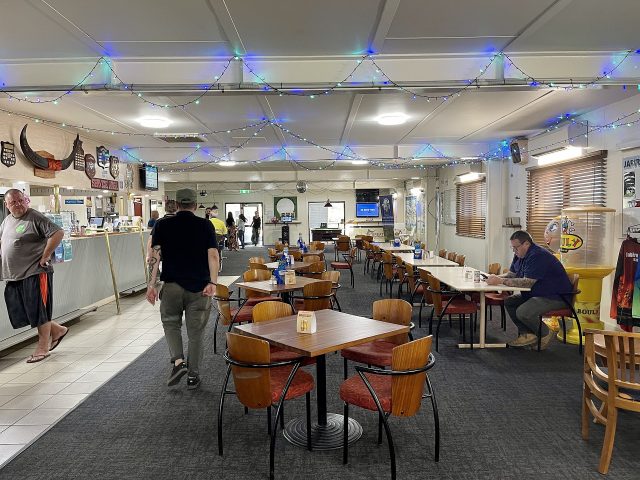
The town of Jabiru started in the 1980s as a mining settlement. It was built for workers at a nearby uranium mine, a closed-off place for miners and engineers. The mine no longer runs at full capacity, but Jabiru remains a stop for travellers. There’s an airport, a few hotels, and cafes where you can eat after driving through the park. The town moves slowly, far from city noise. Locals know visitors come and go, but there’s no rush to change that.
Lake Jabiru shows Australia as it was before European settlement. No paved paths, no signs, no tours. To reach it, you turn off the main road onto a dirt track. After rain, the track can be difficult. That’s part of why it feels like an adventure—no one else around, just the open land.
Visit between May and October, after the wet season. The air smells of eucalyptus and damp earth. Birds gather along the shores. Sunsets turn the sky orange and purple, reflected in the water. At night, the darkness is so complete you can see the Milky Way.
You won’t find Lake Jabiru in travel brochures. No resorts, no restaurants, no entertainment. What it gives you is something else: a place that feels real. It’s for those who want to see Australia up close, walking its trails and listening to its silence. Jabiru doesn’t offer easy answers or spectacles. It’s just there, as it has been for thousands of years, waiting for those who want to meet it.