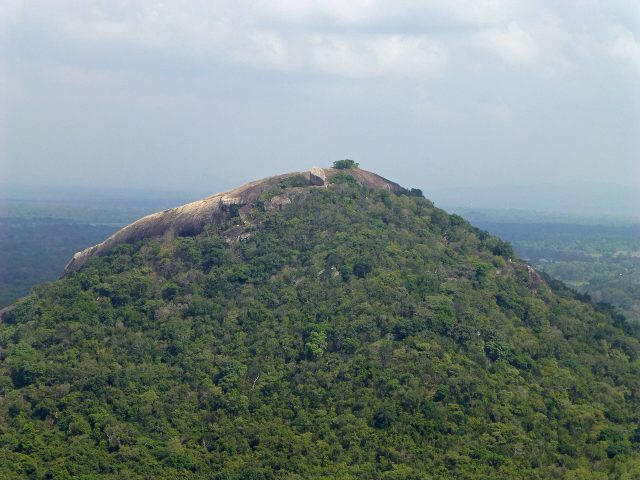
Cobra Rock is one of those places in Sigiriya that draws visitors not for the sake of ticking off another landmark, but for the quiet thrill of discovery. It isn’t just a rocky outcrop—it’s a piece of the ancient landscape, shaped by time, human hands, and the slow work of nature. The name comes from its silhouette, which from certain angles does resemble a cobra poised to strike, its hood raised. Local guides sometimes mention old rituals tied to serpent worship, though no one can say for sure if that’s true. What remains is the shape itself, a natural coincidence that has sparked imagination for generations.
Reaching the top isn’t effortless. The path winds through boulders and dense vegetation, and the final stretch requires climbing narrow stone steps carved directly into the rock. The ascent takes about half an hour, but the view from the summit makes it worthwhile. Below, the landscape unfolds in patches of jungle and emerald rice fields, with the distant bulk of Lion Rock—the region’s most famous sight—rising above it all. On clear days, the horizon seems endless, and it’s easy to imagine how, a thousand years ago, watchers here might have scanned the land for approaching caravans or enemy troops.
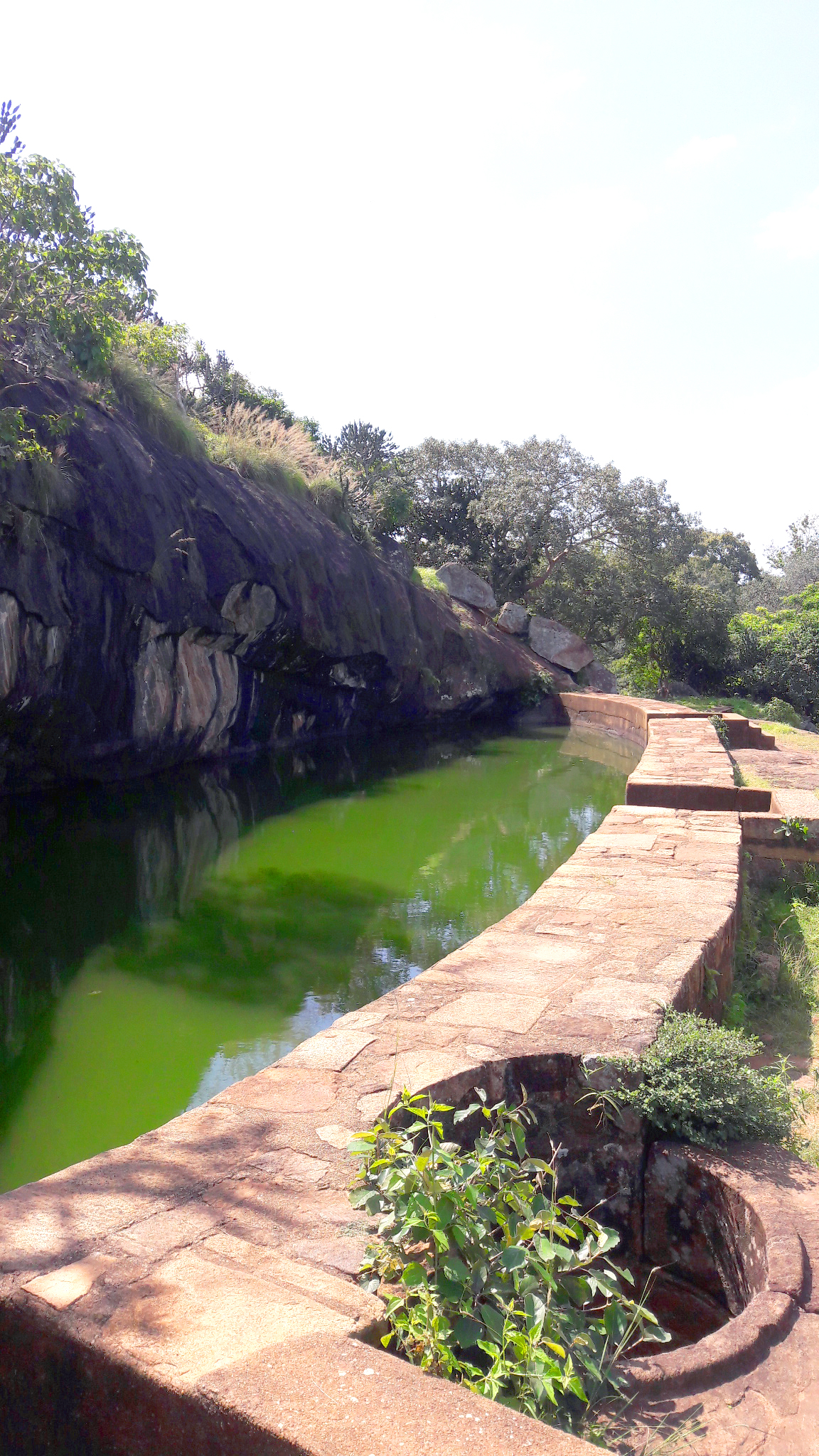
The area around Sigiriya has been inhabited since prehistoric times, but its golden age came in the 5th century, when King Kashyapa chose it as the site for his capital. Cobra Rock likely served as part of the defensive network or a lookout point. Faint traces of old terraces cling to its slopes, possibly once used for gardens or cultivation. There are no grand ruins here, just the raw presence of stone, the whisper of wind, and the occasional cry of monkeys or the call of birds.
Unlike the bustling crowds at the base of Lion Rock, Cobra Rock feels far removed from tourist clichés. There are no souvenir stalls or loud tour groups, just small clusters of travelers who arrive at dawn or dusk to enjoy the solitude. Locals treat the place with reverence, considering it sacred. Sometimes, you might see someone leaving flowers at the base or lighting incense—a quiet nod to traditions that have endured despite centuries of change.
Beyond its historical significance, Cobra Rock is part of a fragile ecosystem. The surrounding dry tropical forests are home to rare birds, lizards, and even leopards, though sightings are rare. The vegetation here has adapted to the harsh climate: trees shed their leaves in the dry season, and grasses turn golden under the sun. When the rains come, the landscape transforms, bursting into green and filling the air with the scent of blooming plants. For those who pay attention, the walk to Cobra Rock can be as much about the natural world as the history.
The best time to visit is early morning or late afternoon, when the light is soft and the heat less oppressive. Midday can be brutal, with the sun beating down on the exposed rock. Sturdy shoes with good grip are a must—the path can be slippery, especially after rain. A hat and water are essential, too; there’s little shade at the top, and even a short climb can be draining.
Cobra Rock doesn’t impress with grand architecture or elaborate carvings. Its appeal lies in its unfiltered connection to Sigiriya’s wild, mysterious past. There are no palaces or polished relics here, just the quiet weight of history, the kind that lingers in the wind and the worn stone. You could sit for hours on the edge, watching the jungle stretch below, and wonder how many people have stood in this same spot over the centuries, leaving behind only the faintest traces. That’s where its magic lies—not in what it shows you, but in what it makes you feel.