The Paradesi Synagogue stands quietly in Mattancherry, the old quarter of Kochi, where the air still carries the scent of spices and salt from the nearby harbor. Built in 1568, it holds the distinction of being the oldest active synagogue in the Commonwealth, a rare survivor in a country where Jewish heritage has slowly faded. For centuries, its walls have echoed with the voices of merchants from the Middle East and local families who made it a part of their daily lives, a place where faith and trade intersected.
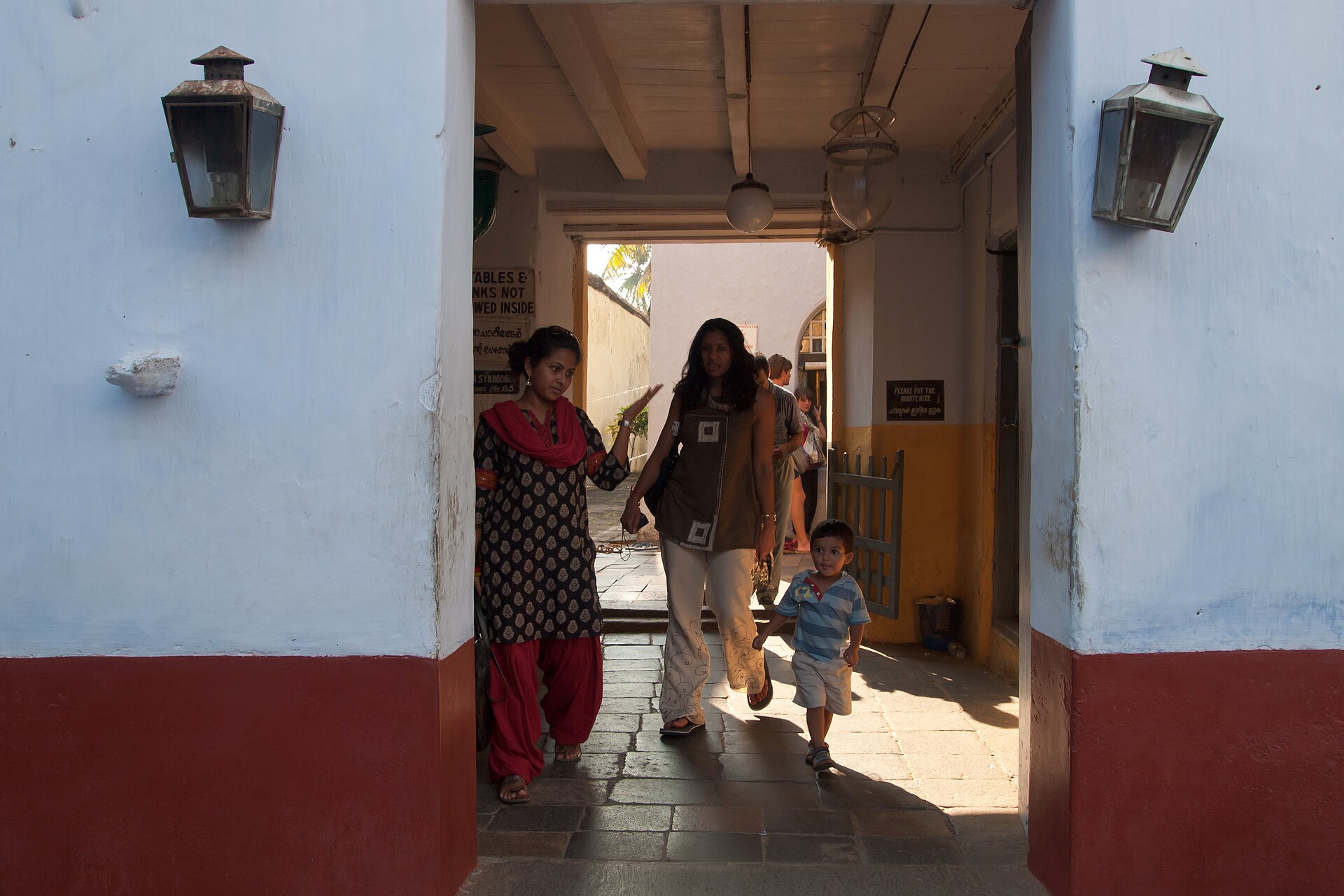
The building itself is unassuming from the outside—whitewashed walls, a tiled roof, and a modest entrance that belies the treasures within. Step inside, and the first thing that catches the eye is the floor, a mosaic of hand-painted Chinese tiles from the 18th century. Each piece tells a small story: delicate blue flowers, birds in flight, intricate geometric patterns. These tiles were gifts from Dutch traders who brought them from Canton, and they’ve outlasted empires, their colors still vivid under the soft light filtering through stained glass. Above, crystal chandeliers hang from the ceiling, their reflections dancing on the brass plaques that line the walls, each one bearing the name of a donor—some Jewish, some Indian, all part of the synagogue’s layered history.
At the heart of the synagogue is the Torah scroll, said to have arrived in the 16th century from Spain or Portugal, carried by refugees fleeing the Inquisition. It rests in an ark inlaid with ivory and mother-of-pearl, flanked by silver candlesticks and lamps crafted by local artisans. The rituals here have always been a blend of tradition and adaptation. Unlike in many synagogues, women and men pray together, a practice shaped by the close-knit community of Kerala, where Jewish life wove itself into the fabric of the region.
The story of the Paradesi Synagogue is inseparable from the history of Kochi’s Jewish community. Some say Jews first arrived here after the destruction of the Second Temple in Jerusalem, while others believe they were spice traders who settled along the Malabar Coast. By the Middle Ages, the community had grown with the arrival of Sephardic Jews escaping persecution in Europe. The name *Paradesi*—meaning "foreign"—refers to these later arrivals, who built the synagogue as a spiritual home in their new land. Over time, the community thrived, leaving its mark on Kochi’s culture, cuisine, and even its language.
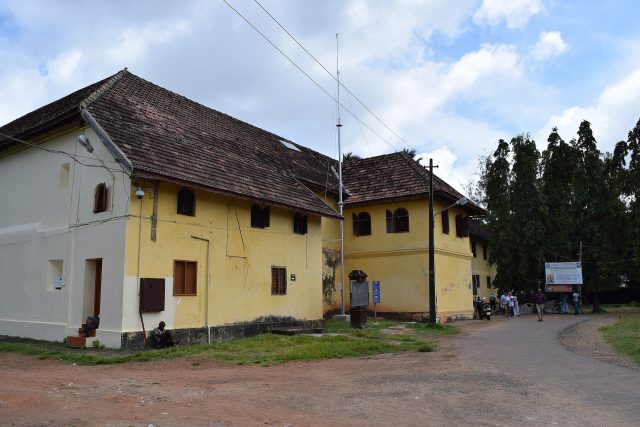
Mattancherry, the neighborhood where the synagogue stands, is a place where history lingers in every corner. Narrow lanes wind past crumbling palaces, Hindu temples, and mosques, each structure a testament to the layers of influence that have shaped this part of India. Just steps away is the Mattancherry Palace, built by the Portuguese in the 16th century, its walls adorned with murals depicting scenes from Hindu epics. The synagogue itself is tucked away in a courtyard, its presence a quiet reminder of the diversity that once defined Kochi. Though most of the city’s Jews emigrated to Israel in the mid-20th century, a few families remain, their descendants still living in the same streets where their ancestors settled centuries ago.
Inside the synagogue, the atmosphere is one of hushed reverence, even when visitors arrive. Sunlight streams through the colored glass, casting a warm glow over the antique furnishings. Services are held on Saturdays and Jewish holidays, the prayers sung in Hebrew with the lilting cadence of Malayalam. The sound is a reminder of how deeply this community was rooted in Kerala, how its traditions absorbed the rhythms of the place even as they preserved their own.
The Paradesi Synagogue is more than a relic of the past; it’s a living testament to the way cultures can coexist without erasing one another. In its early days, Kochi was a crossroads of the world, a port where Arab dhows, Chinese junks, and European ships docked, bringing goods, ideas, and people from distant lands. The synagogue was one of many places where these influences converged, where a Jewish merchant might haggle over pepper prices in the morning and pray in the same language as his ancestors in the evening. Today, with the Jewish community all but gone, the synagogue endures as a bridge between worlds.
For travelers, the Paradesi Synagogue often comes as a surprise—a place where the story of India intersects with the broader narrative of the Jewish diaspora. There are no grand monuments here, no sweeping vistas, just the quiet dignity of a building that has witnessed centuries of change. It’s a place where you can stand on a floor laid by Dutch traders, beneath chandeliers that have seen generations of worshippers, and feel the weight of history in the simplest of details. In a city that has always been defined by movement, the synagogue remains a still point, a reminder of what endures.