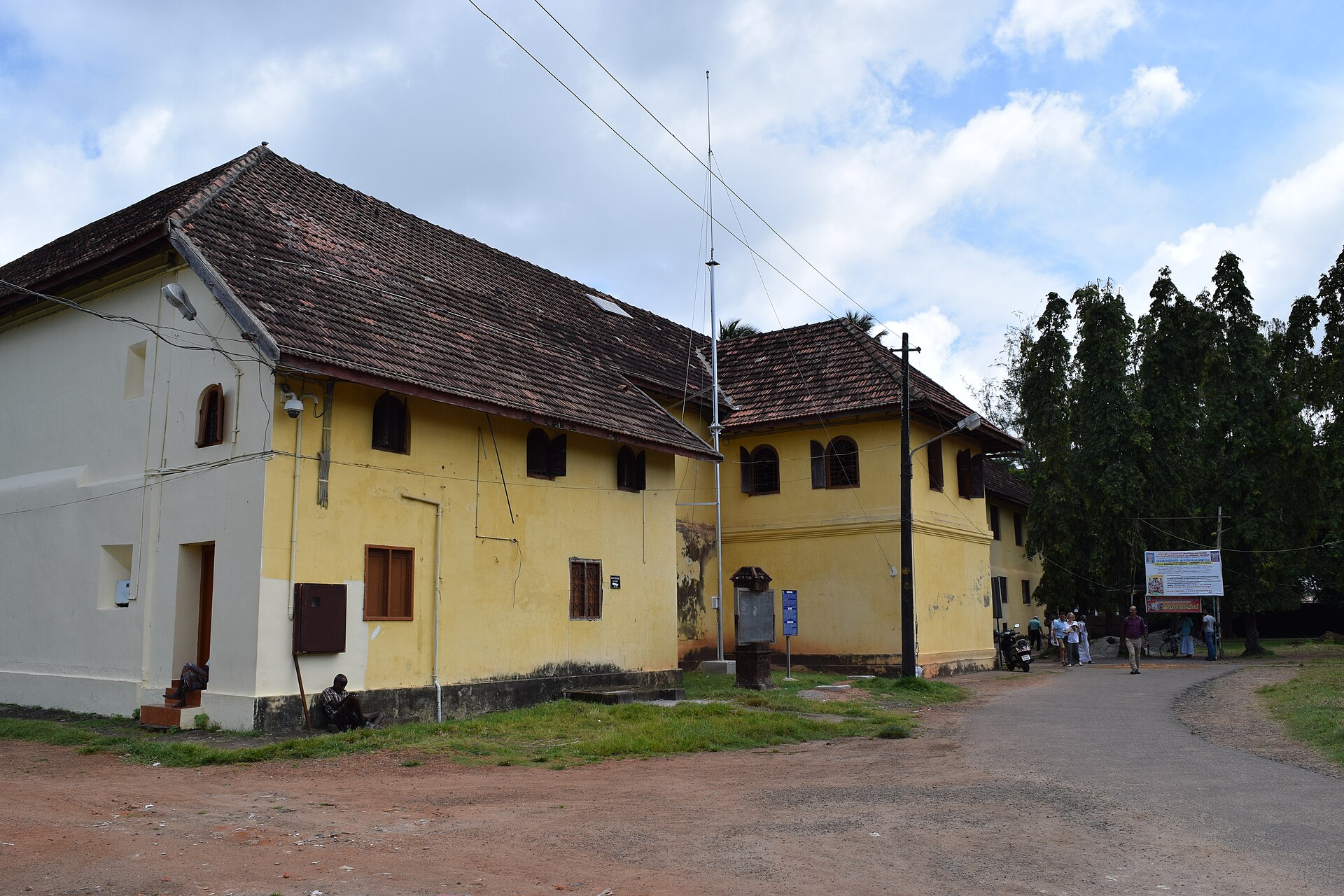
The Mattancherry Palace in Kochi is one of those rare places where history doesn’t just exist in books—it lingers in the air, in the texture of the walls, in the quiet corners where the past still breathes. Built by the Portuguese in the mid-16th century as a gift to the ruler of Cochin, it was never just a palace but a symbol of the uneasy alliance between European traders and local kings. The Dutch later took control, modifying its structure, and eventually, the British left their mark too. Today, it stands as a quiet witness to an era when Kochi was the heart of the spice trade, a city where fortunes were made and empires clashed over cinnamon, pepper, and cardamom.
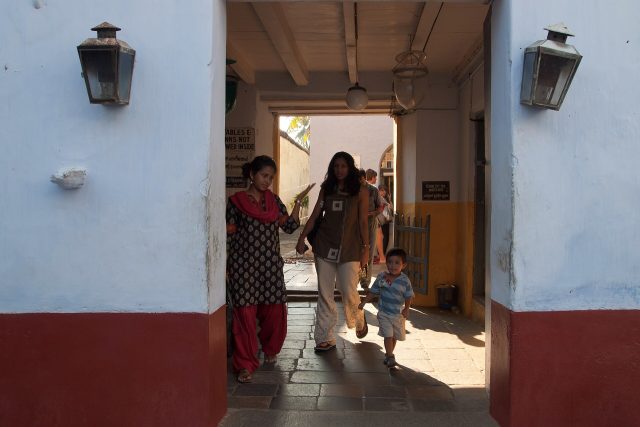
The architecture is a conversation between two worlds. The thick walls and high ceilings reflect Portuguese design, sturdy and practical, while the inner courtyards, intricately carved wooden beams, and sprawling murals are unmistakably Indian. The layout is particularly striking—rooms arranged around a central courtyard, with verandas opening onto it, a style common in Kerala’s palaces. But here, it’s as if the European and local influences decided to meet halfway, neither fully dominating the other. The result is a building that feels both familiar and foreign, as if it can’t quite decide which tradition it belongs to.
The murals are what most visitors remember. Covering the walls of the palace, they depict scenes from the Ramayana and Mahabharata, India’s great epics, with a vibrancy that belies their age. The colors—deep blues, rich reds, earthy ochres—have somehow resisted fading, and the details are astonishing. Gods and demons, heroes and animals, all rendered with a fluidity that makes them seem almost alive. Painted in the 17th century, these works follow the traditions of Kerala’s mural art, where every line carries meaning. For anyone curious about India’s mythological heritage, the palace is a treasure trove.
Beyond the murals, the palace is a collection of small but telling details. The main hall, once the stage for royal receptions, now displays artifacts from the era—weapons, household items, and old maps that hint at the city’s former glory. Other rooms hold manuscripts, portraits of Cochin’s rulers, and a modest collection of coins, each piece a fragment of a larger story. The throne room is particularly evocative. The wooden throne, a gift from the Portuguese, is still there, its carvings worn but elegant. It’s easy to imagine it occupied, though now it sits empty, a silent relic of power that once was.
Mattancherry isn’t just a palace; it’s part of a living neighborhood. The surrounding area is a maze of narrow streets, where the scent of spices still hangs in the air, just as it did centuries ago. Nearby is the Jewish Quarter, home to one of India’s oldest Jewish communities, and the Paradesi Synagogue, its whitewashed walls and blue-tiled floors a contrast to the palace’s earthy tones. The palace itself overlooks the backwaters, and in the late afternoon, the light softens, casting long shadows across the courtyard. It’s a place where time moves slowly, where the past isn’t just remembered but still felt.
What makes Mattancherry special is its lack of pretension. Unlike grander monuments, it doesn’t overwhelm with scale or opulence. Instead, it invites you to linger, to sit on a bench in the courtyard and let the quiet settle in. There are no crowds here, no rush to move on to the next attraction. The palace doesn’t demand attention—it earns it, through its understated charm and the stories embedded in its walls. It’s a place that doesn’t just show history but lets you step into it, if only for a moment.
As a museum, Mattancherry is refreshingly unpolished. There are no glass barriers or stern signs warning visitors to keep their distance. The exhibits are there to be seen up close, their imperfections part of their appeal. Some murals are faded, some wooden beams darkened by age, but these signs of wear only add to the sense of authenticity. History isn’t always pristine—sometimes it’s cracked, chipped, or slightly frayed at the edges, and that’s what makes it real.
If you find yourself in Kochi, it’s worth resisting the urge to head straight for the beaches or the bustling markets. Instead, start with Mattancherry. Walk through its rooms, listen to the silence, and let the place work its quiet magic. It doesn’t shout about its importance, but that’s precisely why it’s worth seeing—a place where the past isn’t just preserved but still alive, waiting to be discovered.