Fort Kochi feels like a place where India’s past and present merge with the rhythm of the sea. Stretching along a narrow spit of land that juts into the Arabian Sea, it has the quiet, self-contained air of an island, though it remains connected to the mainland. The streets here are lined with worn cobblestones, their edges softened by time, while old Portuguese houses with intricately carved wooden balconies stand beside Dutch churches and British colonial bungalows. The pace of life slows the moment you arrive—even the sound of the waves breaking against the shore seems to carry echoes of centuries gone by.
Long before European traders set foot here, the shores of Kochi were known to local fishermen and merchants. But it was in the 15th century that the area gained its place in history, when the Portuguese established India’s first European settlement. They built Fort Emmanuel, whose crumbling walls are now little more than fragments, though the name Kochi endures. The Dutch followed, then the British, each leaving their mark on the architecture and culture. The layers of influence are visible everywhere, from the red-brick facades of Dutch-era buildings to the grand, whitewashed churches that still stand today.
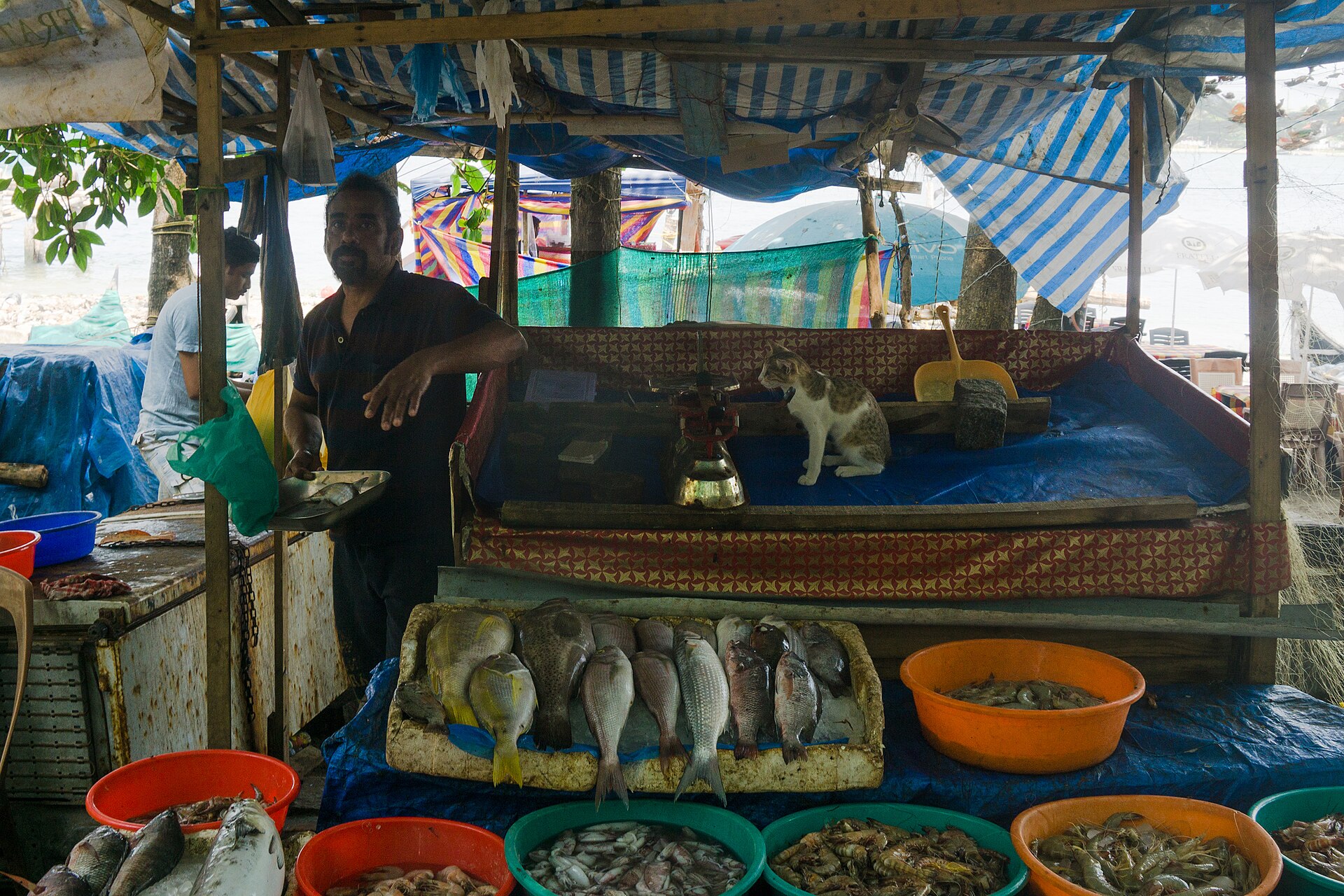
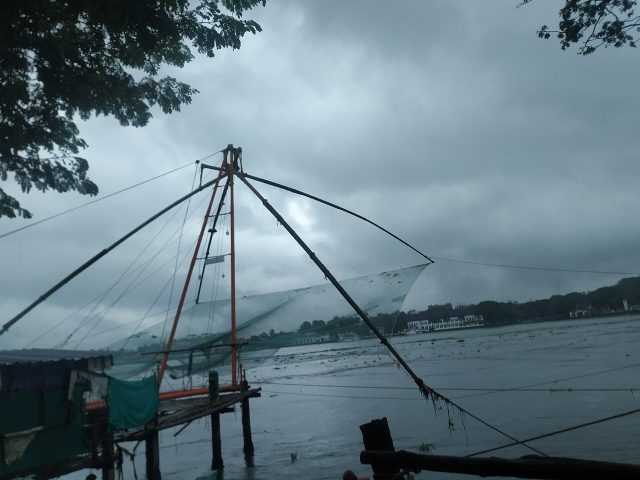
Walking through Fort Kochi, you quickly realize it’s not a relic frozen in time, but a living, breathing place. The mornings begin with the scent of fresh fish and spices drifting from the market, while evenings bring the smoky aroma of grilled seafood from roadside stalls. Fishing boats return with their catch, their bright sails unfurled against the sky—a sight so iconic it has become synonymous with the city. The waterfront is always alive with activity: tourists pause to photograph the giant Chinese fishing nets, vendors haggle over prices at the market, and children play in the sand as the tide rolls in.
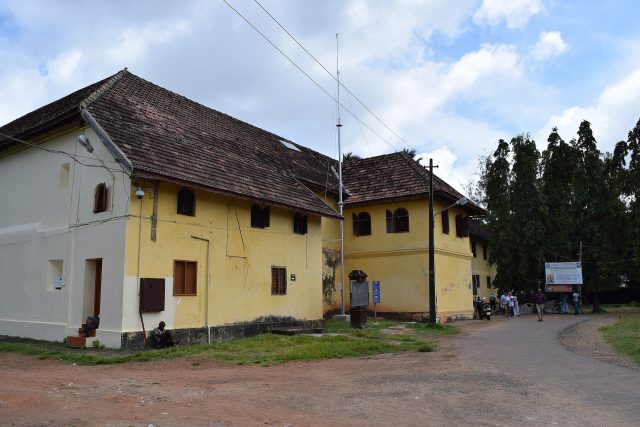
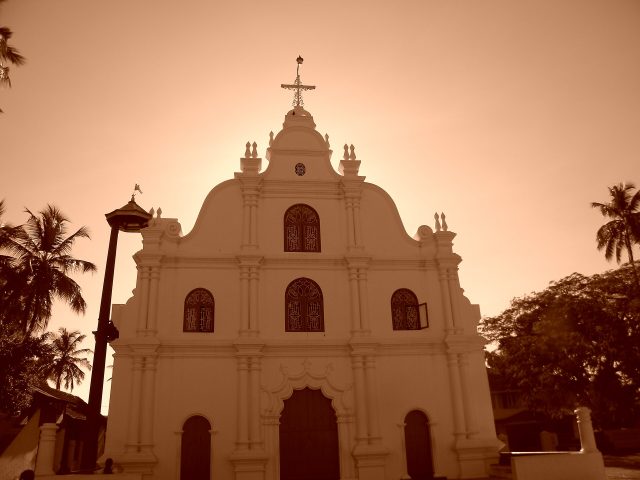
The architecture here tells a story of shifting powers and cultural exchange. Portuguese churches with their simple, whitewashed exteriors stand near Dutch mansions built from deep red brick, while British colonial structures lend the streets a sense of order and elegance. Among the most notable is St. Francis Church, built in 1503 and one of the oldest European churches in India. Inside, the air is cool and still, and though Vasco da Gama’s remains were later moved to Lisbon, the church remains a quiet witness to the early days of European presence in the region.
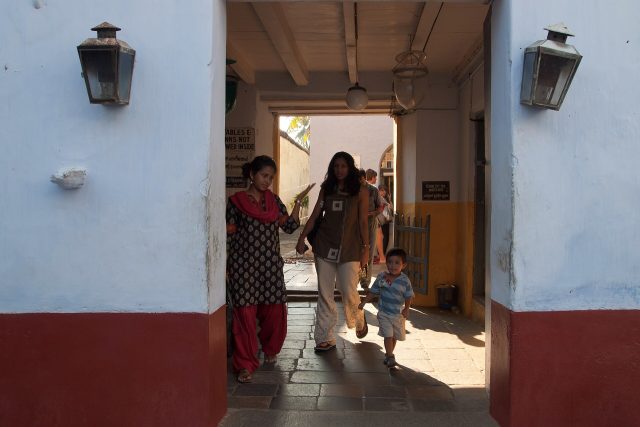
Yet Fort Kochi is more than just its buildings and history. The soul of the place lies in its people—descendants of fishermen, traders, and artisans who have preserved their way of life across generations. In the old houses, workshops still hum with activity, producing coir, lacquerware, and shell jewelry using methods passed down through families. On the streets, musicians play traditional instruments, and dancers perform classical routines, their movements fluid and precise. The rhythm of daily life here hasn’t changed much over the centuries, and that continuity is part of what makes the place feel so authentic.
As the sun sets, Fort Kochi transforms. The waterfront glows with the warm light of street-side cafes, where fresh seafood is served straight from the grill. The air fills with the scent of spices and charcoal, while the sound of the waves grows louder, as if the sea itself is sharing its stories. Some evenings, open-air concerts or theater performances draw crowds, turning the streets into a stage. Even on quieter nights, there’s a sense of energy, a feeling that the city is still very much alive.
Beyond its historical charm, Fort Kochi serves as a gateway to Kerala’s spice trade. Nearby plantations grow cardamom, pepper, and vanilla, and the local markets overflow with fragrant spices. Visitors can step into a tea shop and sample a cup of chai brewed with fresh spices, served the way locals prefer it—strong, milky, and sweet. Or they might pick up a bag of spices to take home, a small but potent reminder of the scents and flavors that define this part of India.
Despite its deep historical roots, Fort Kochi doesn’t feel like a museum. Instead, it’s a place where the past and present coexist naturally. Modern cafes and art galleries sit alongside ancient temples and mosques, while young artists display their work on the sidewalks. The city moves at its own pace, neither rushing toward the future nor clinging too tightly to the past. It simply exists, as it always has, inviting those who visit to step into its rhythm, even if just for a little while.
Fort Kochi is more than a destination—it’s an experience. Here, the sea meets the land, history blends with the present, and cultures intertwine in ways that feel both effortless and profound. You could spend hours wandering its streets, discovering hidden corners, or simply sitting by the water, watching life unfold as it has for centuries. There’s no grand spectacle, no single attraction that defines it. Instead, it’s the quiet accumulation of moments—the scent of spices in the air, the sound of waves against the shore, the way the light falls on the old buildings—that makes it unforgettable.