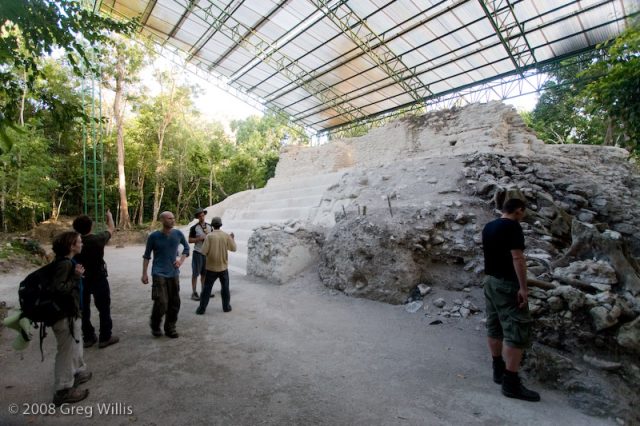
Ceibal is one of those places in Guatemala where time seems to slow, and the jungle breathes with history. Tucked along the banks of the Pasión River, a few hours from the town of Santa Elena de la Cruz, this ancient Maya city spent centuries in the shadow of better-known neighbors like Tikal or Yaxchilán. Yet for those who make the journey, Ceibal reveals itself as a quiet gem—preserved in the spirit of the Maya Classic period, untouched by crowds or commercial noise.
What makes Ceibal unique isn’t just its architecture but its story. The city flourished during the Late Classic period, roughly between 600 and 900 AD, when powerful dynasties ruled here. Unlike many Maya cities abandoned after the Classic collapse, Ceibal experienced a second life in the Postclassic era. New settlers, likely from central Mexico, arrived with fresh building techniques and artistic traditions, blending their culture with the existing Maya legacy. This fusion makes Ceibal a rare example of continuity and adaptation in Mesoamerican history.
Walking through Ceibal, the harmony between nature and human craftsmanship is impossible to miss. The jungle presses close to stone platforms and pyramids, vines curling around ancient stelae as if reclaiming them. The central plaza is framed by several temples, the most striking being Structure A-3—a steep-sided pyramid with a small shrine at its summit. From the top, the view stretches over the winding Pasión River, once a vital trade route connecting the Maya highlands to the lowlands of Petén and beyond.
Ceibal’s stelae are among its greatest treasures. More of these carved stone slabs survive here than in any other Guatemalan Maya city, their surfaces etched with glyphs and portraits of rulers. Some, like Stela 11, are masterpieces of detail, depicting a king in an elaborate headdress surrounded by symbols of power. These monuments aren’t just art; they’re chronicles of wars, alliances, and rituals that shaped the city’s life. Each one offers a glimpse into the political and spiritual world of the Maya elite.
The city’s location on the Pasión River made it a key trading hub. Goods like obsidian, quetzal feathers, and cacao passed through here, linking the Guatemalan highlands to the lowlands of Petén and distant Mexico. Archaeologists have uncovered artifacts from far-flung regions, confirming Ceibal’s role as a crossroads of Mesoamerican commerce. The river wasn’t just a trade route—it was the lifeblood of the city, sustaining its people and connecting them to the wider world.
Today, Ceibal is as much a haven for wildlife as it is a window into the past. The surrounding jungle teems with life: toucans flit through the trees, howler monkeys call from the canopy, and jaguars, though rarely seen, still roam the deeper thickets. The Pasión River, slow and steady, remains a vital part of the ecosystem, its banks a place where visitors can pause after exploring the ruins, listening to the jungle’s sounds and watching the light play on the water.
Visiting Ceibal isn’t like touring a typical archaeological site. There are no modern amenities, no cafes or souvenir stands—just the ruins, the jungle, and the river. The journey here can be an adventure in itself: a boat ride along the Pasión, followed by a walk through the forest. But every step brings you closer to understanding how people lived here over a thousand years ago. Time moves differently in Ceibal, and that’s part of its magic.
Despite its historical importance, Ceibal remains one of Guatemala’s least-visited major ruins. This means you can explore its paths in near solitude, moving from one group of structures to another without hurry. It’s easy to imagine the rituals that once took place here during solstices, the decisions made by rulers in the shade of these temples, or the voices of people for whom Ceibal was the center of their world.
For those fascinated by Maya history, Ceibal is a missing piece of the puzzle. It doesn’t have the towering pyramids of Tikal, but it offers something rarer: a sense of authenticity and connection to the past. Archaeologists keep returning, and travelers who visit often call it one of the most memorable places they’ve ever seen. After all, how often do you get to step so directly into history, standing on the banks of a river that once carried the lifeblood of an ancient civilization?