Segovia is a city where history lingers in every stone, and its narrow streets lead to quiet discoveries. Among them, the House of Chains stands out not for its size or grandeur, but for the stories it holds within its unassuming walls. Tucked away on one of the city’s central squares, it blends into the surroundings, overshadowed by more imposing neighbors. Yet this very modesty makes it special. Unlike the palaces and cathedrals that draw crowds, this building offers a glimpse into the everyday life of Segovia—its shifting fortunes, its traditions, and the people who shaped them over centuries.
The house gets its name from the heavy iron chains that once hung along its facade. These were no mere decorations; they carried real meaning. In medieval Spain, chains displayed outside a home signaled that its owner held the right of asylum. Anyone fleeing the law or enemies could seek refuge here, protected until their fate was decided. Such a privilege was granted by the king only for exceptional service, turning the house into a small, sovereign space within the city. The chains are long gone, but the building still whispers of a time when it was more than just a home—it was a place where history unfolded.
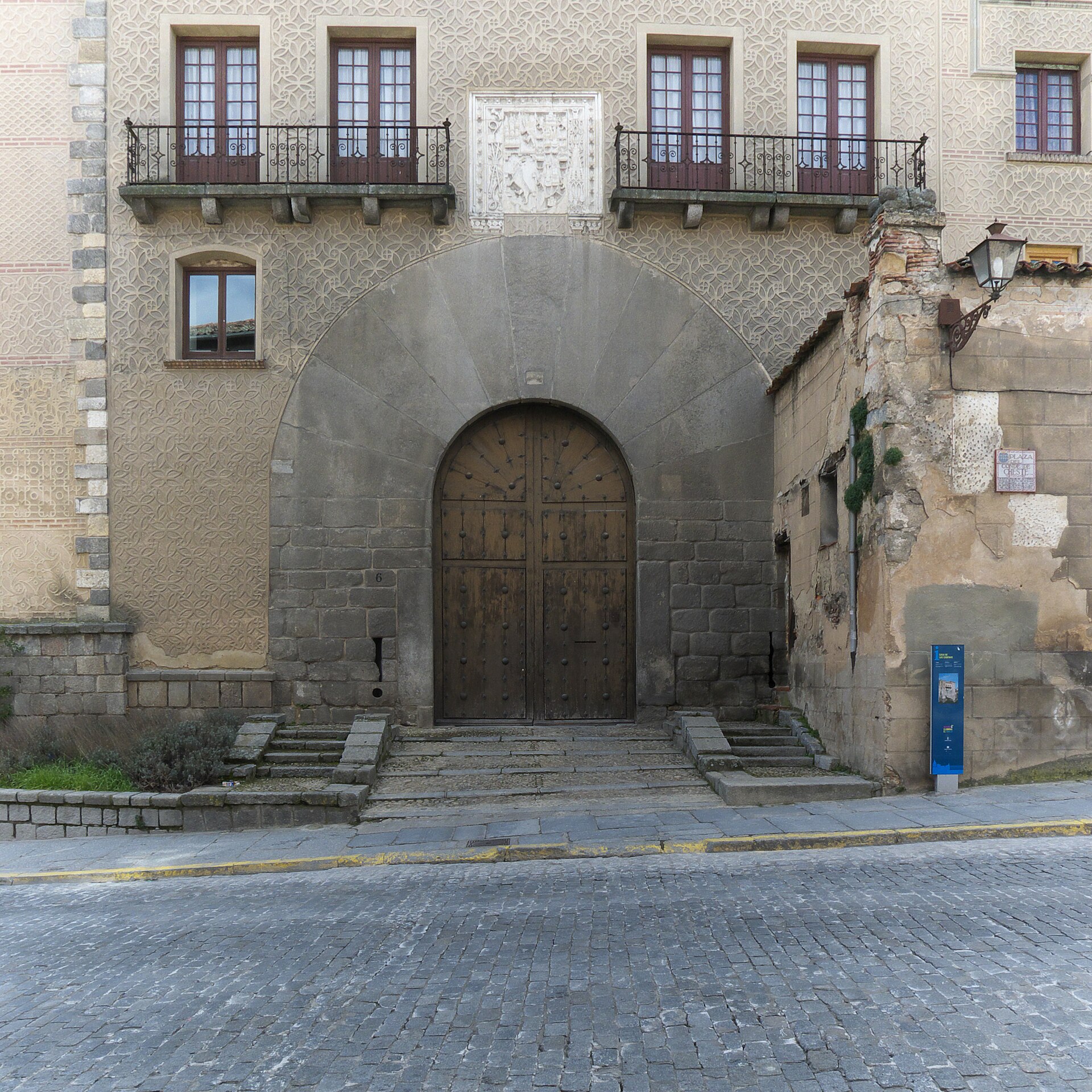
The architecture of the House of Chains reflects the restrained elegance of the Castilian Renaissance. Its light-colored stone facade has mellowed over the years, taking on the warm patina of Segovia’s older buildings. The windows are framed by simple moldings, and the doorway bears a modest coat of arms—the only hint of the family’s former status. Inside, vaulted ceilings and sturdy wooden beams remain, once supporting the upper floors. Today, the house serves as a small museum, though even without exhibits, its spaces speak of 16th-century life: cramped yet dignified, filled with objects passed down through generations.
The house’s history is closely tied to the de Herrera family, one of Segovia’s most influential clans at the time. They served the crown, held high offices, and played roles in key moments of Spanish history. It was they who earned the right to hang the chains, a mark of royal favor. Over the centuries, the building changed hands and was modified, yet it always remained a residence. In the 19th century, it even became a guesthouse—a rare fate for such an old structure, which might otherwise have been repurposed as a warehouse or workshop. Perhaps this helped preserve its original character, as running a guesthouse required at least some care for its historic fabric.
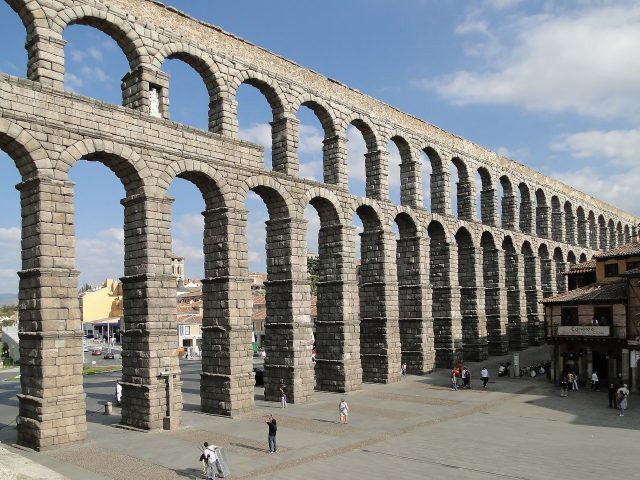
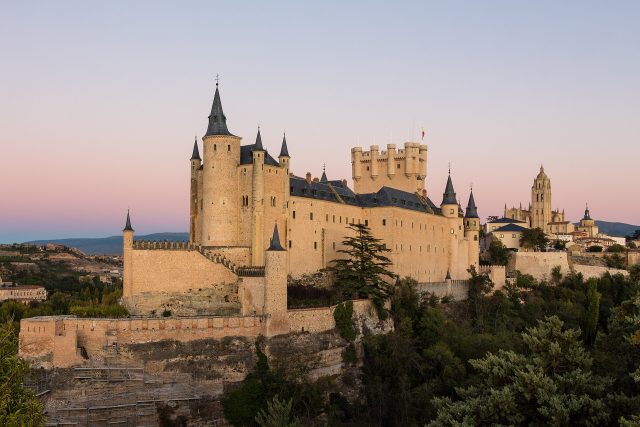
Nowadays, the House of Chains is a quiet spot, often overlooked by tourists rushing toward the aqueduct or the Alcázar. But those who pause here notice something beyond its age. The atmosphere is different—not like a museum, but alive, as if time moves slower in this corner of the city. Maybe it’s the small square where it stands, free of cars, where old lampposts cast a soft glow on the cobblestones. Or the absence of noisy cafés and souvenir shops that usually crowd around landmarks. Here, you can simply stand by the facade, imagine the footsteps of people who walked these stones centuries ago, and feel the connection to the past that permeates Segovia.
What makes the House of Chains fascinating is that it’s not just an architectural relic, but a witness to an era when honor and protection mattered more than written laws. The right of asylum, symbolized by the chains, may seem like a medieval relic today, but back then, it was part of a complex web of power and loyalty. The king didn’t grant this privilege lightly—those who received it became figures of influence, respected in the city and at court. In that sense, the house is more than a building; it’s a symbol of authority that could be both merciful and harsh, depending on the circumstances.
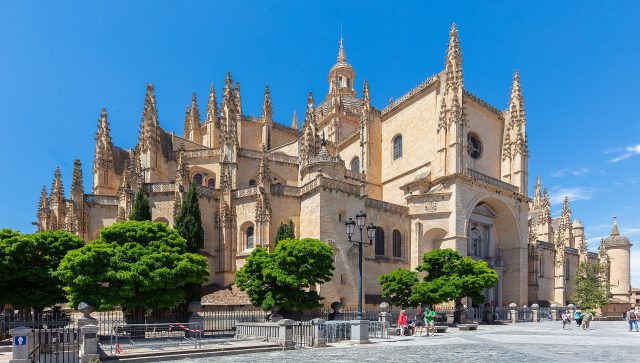
Segovia is a place where history isn’t confined to museums—it lives in every corner. The House of Chains is one of those spots that helps you feel it. It doesn’t impress with grandeur like the cathedral or the fortress, but its quiet charm lies in its simplicity. There are no crowds, no guided tours, no plaques with detailed explanations. Just old walls, silence, and the sense that time has stood still. That’s why those who visit Segovia often remember not only its famous landmarks, but also this unassuming house, which tells the city’s story in a way no palace ever could.