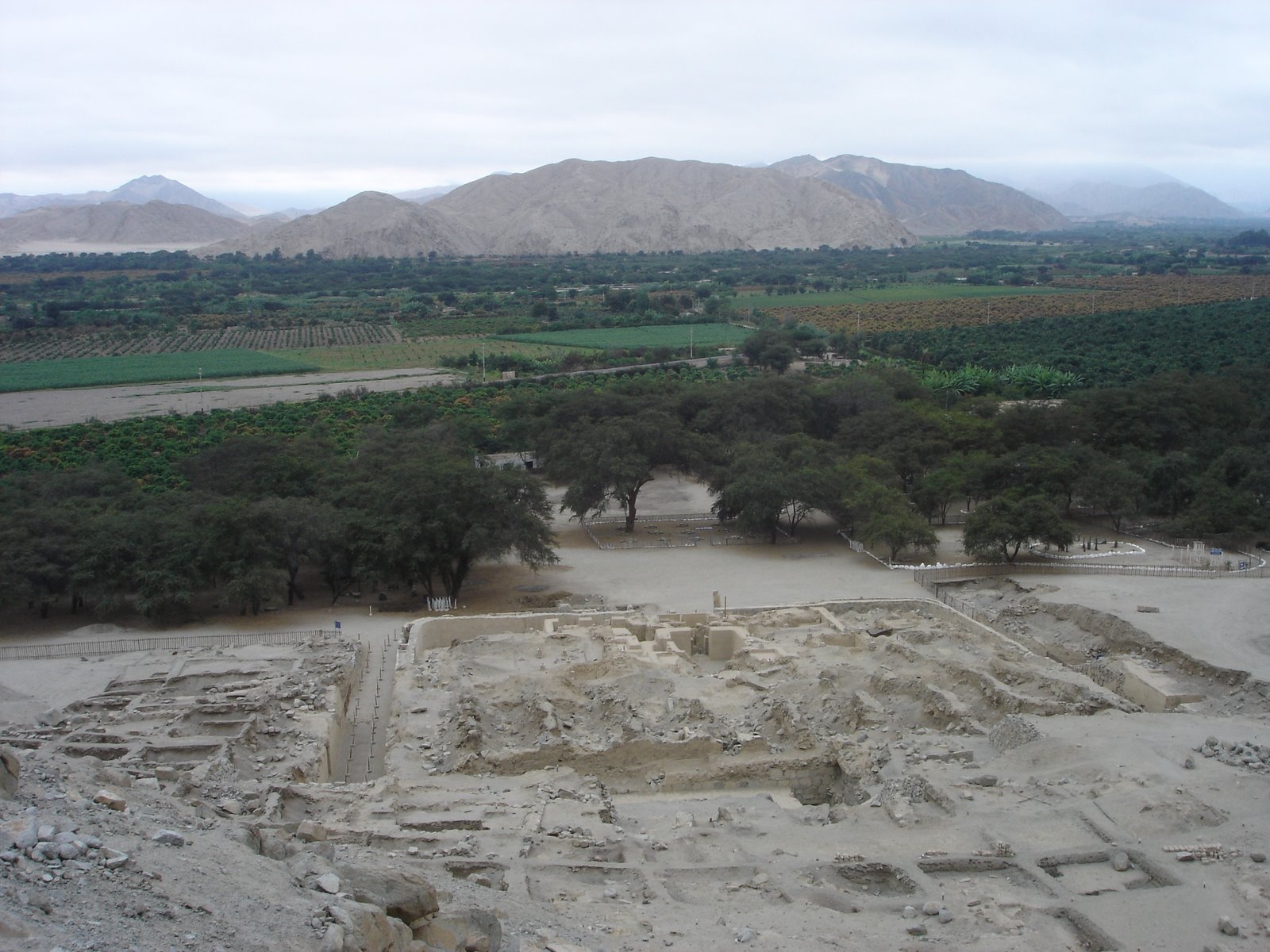
Sechin is a place where the past lingers. Hidden in the dry valleys near Casma, along Peru’s Pacific coast, this ancient site sits far from Machu Picchu or Cusco. No crowds, no vendors—just wind, sand, and the weight of history in the stones. It doesn’t reveal itself easily, but for those who pay attention, it offers something better than spectacle: a direct look at a world that existed long before the Inca.
The ruins belong to the Sechin culture, which thrived on Peru’s northern coast between 1800 and 900 BCE. This was when Andean civilization was taking shape, and Sechin was one of its key centers. Unlike later empires, the Sechin people didn’t build for scale. They built with intent—a temple complex where rituals and power once converged, and where the stones still hold traces of their beliefs.
The most striking part of Sechin is its stone platform, its walls covered in carved reliefs that have survived thousands of years. The images are simple but vivid: warriors with raised weapons, solemn priests, scenes of battle and sacrifice. The figures are stylized, almost abstract, yet their energy remains. Scholars still debate their meaning. Were they records of real events—battles, conquests? Or were they symbolic, tied to rituals of war, fertility, or cosmic order? Whatever their purpose, these carvings are among the oldest examples of monumental art in the Americas, a rare connection to a people whose language and customs are otherwise lost.
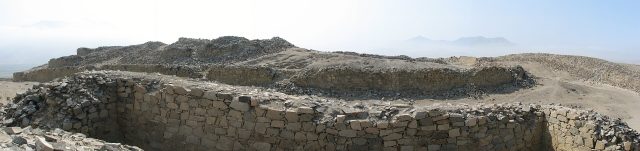
The builders of Sechin knew their land’s challenges—earthquakes, shifting sands, the desert sun—and designed accordingly. The stones were fitted without mortar, their precision enough to endure. The complex aligns with celestial events, suggesting its creators were not just priests or warriors but also skilled sky-watchers. This dual role as both a religious center and a place of knowledge makes Sechin unique. It wasn’t just a temple; it was a place where the movements of the cosmos were studied and recorded.
The site stretches beyond the main platform. Excavations have found remnants of homes, workshops, and even a basic water system. Sechin wasn’t a city, but it wasn’t isolated either. It was part of a network of settlements along the Casma River, where people gathered for ceremonies, trade, and governance. The desert around it may look empty now, but this valley was once a thriving corridor of culture.
Visiting Sechin is unlike visiting Peru’s more famous ruins. There are no reconstructed walls, no polished paths, no plaques explaining everything. The site is largely as it was found—stones worn by time, carvings faded but still visible. The silence is broken only by wind and the occasional seabird from the coast. It’s a place for quiet reflection, where the lack of crowds lets you connect with the past on your own terms.
What makes Sechin stand out is its rawness. There’s no attempt to dress up its history. The ruins are as they were left, their purpose still open to interpretation. Without the usual tourist infrastructure, you’re left to piece together the story yourself. It can feel unsettling at first, but it also makes the experience more immersive. Here, history isn’t a neatly packaged story—it’s something you engage with, question, and take with you.
For those interested in pre-Columbian history, Sechin offers a chance to see the roots of Andean civilization. The Inca built on foundations laid by cultures like this one. There are no towering pyramids or golden treasures here, but there is something more lasting: the sense of continuity. The people who walked these stones thousands of years ago looked to the sky, built their lives around rituals, and left traces in the hope that someone would understand. In this quiet valley, their voices are still there—if you listen.