Plaza de Armas in Casma is one of those places where a town reveals itself slowly, without the rush or the polished veneer of more tourist-heavy destinations. There are no crowds here like in Cusco or Lima, and even the locals move at an unhurried pace, as if they know time flows differently in this part of Peru. Casma is a small coastal city about three hours from the capital, and its main square isn’t so much an architectural landmark as it is a living space where history, daily life, and the quiet rhythm of provincial existence intertwine.
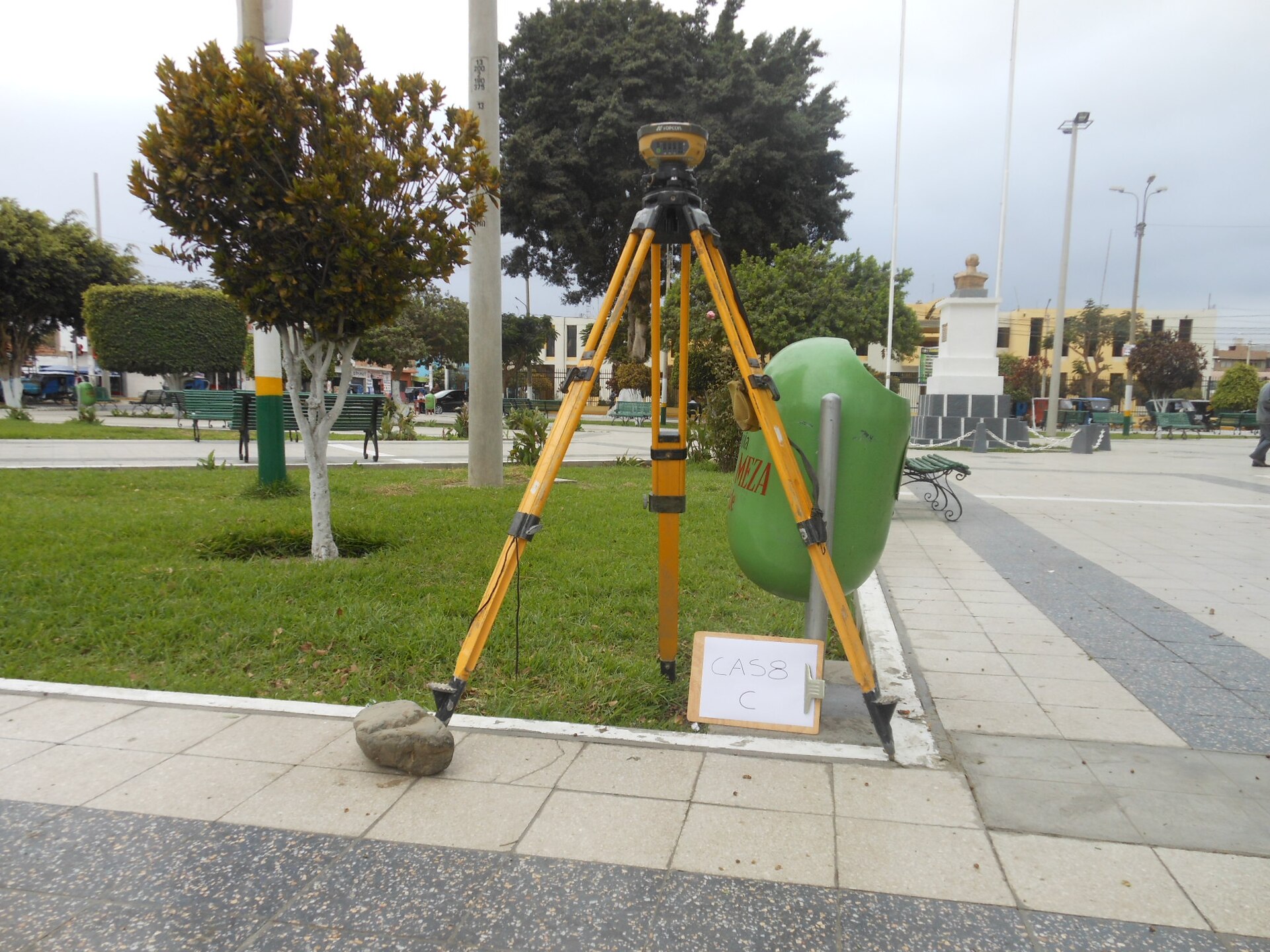
The architecture of the square is simple and unpretentious. At its center stands a traditional fountain, surrounded by low palm trees and benches where elderly men rest in the shade while children play nearby. The buildings around the plaza are one or two stories tall, their facades painted in soft pastel hues—pale blue, sandy beige, light green. These aren’t colonial palaces but rather mid-20th-century structures, built when Casma began growing as an administrative hub for the region. The municipal building, with its columns and balcony, is the only structure that hints at an attempt to give the square a more formal appearance. Otherwise, the place feels like it was built for the people who live here, not for visitors.
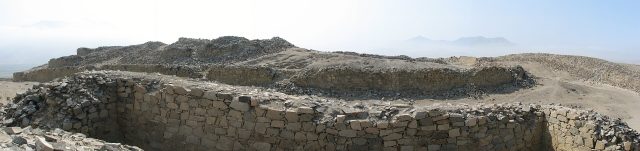
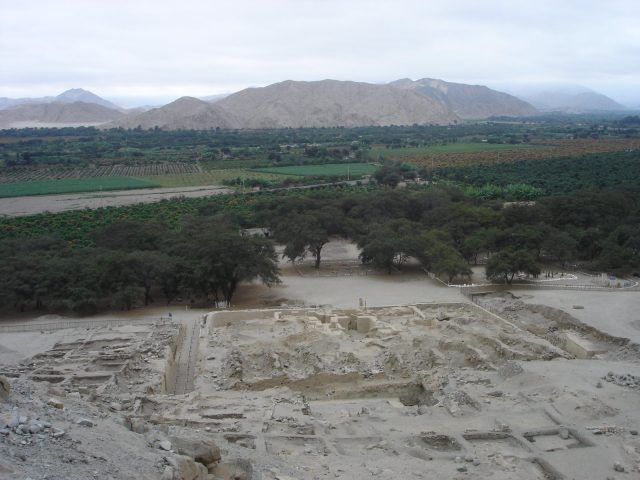
Casma’s history stretches back to pre-Columbian times, though little of that remains visible on the square itself. The city sits on land once inhabited by the Moche and Chimú cultures, who left ruins in the surrounding areas, but their traces are scarce in the town center. The colonial period also left little mark—Casma was too small and insignificant for the Spanish to invest in its development. It wasn’t until the 19th century, when a road connected the coast to the interior, that the town began to take shape. Plaza de Armas became the heart of this new Casma, a gathering place for traders, officials, and residents to exchange news or simply sit in the shade.
Today, the square serves as both the geographic and social center of the city. In the mornings, vendors sell fresh produce from nearby fields—mangoes, avocados, sweet potatoes. By midday, the market quiets down, and students from the local college take over, clustering around the fountain or on the steps of the church. Iglesia San Jacinto, on the northern side of the square, is the oldest building here. Built in a neoclassical style, its white facade and creaking wooden doors give it a modest, timeworn charm. Inside, the air is cool and dim, scented with wax and old wood. Locals come not just for services but to escape the heat, sitting in silence when the sun outside becomes unbearable.
As evening falls, the square transforms. Streetlights flicker on, their glow reflecting in puddles if rain has fallen—a rare occurrence in this arid region, but one that happens occasionally. Teenagers skateboard along the pavement, while families stroll the perimeter, peeking into small cafes and souvenir shops. The souvenirs here are unassuming: Chimú-inspired ceramics, shell bracelets, postcards of the coastline. Nothing you couldn’t find elsewhere in Peru, but in Casma, they’re sold without pressure, as if the vendors know tourists are few and far between.
Casma has no ambition to become a tourist hotspot, and perhaps that’s why the square retains its authenticity. There are no guides hawking tours, no plaques with historical tidbits, not even signs pointing to attractions. Everything you learn about the place comes piecemeal—from conversations with locals, from faded graffiti on walls, from watching how the square changes throughout the day. In the morning, it’s sleepy and functional; by afternoon, it’s lively but not loud; in the evening, it’s cozy and slightly mysterious, with long shadows stretching from the palm trees and the scent of roasted corn and coffee drifting through the air.
For those who visit Casma, Plaza de Armas becomes a starting point. From here, it’s easy to explore the rest of the town, drop into small museums, or head to the coast, where black-sand beaches lie just a few kilometers away. But many simply stay, watching life unfold at its own pace. That’s the square’s real charm—it asks nothing of visitors except an eye for detail. You could sit on a bench for hours and still notice something new: the way sunlight shifts across the building facades, how children play hide-and-seek behind the palm trunks, or the old man on the corner selling homemade candies.
Casma isn’t the kind of place people come to for grand experiences. There are no towering ruins, no raucous festivals, no luxury hotels. But that’s precisely why Plaza de Armas lingers in the memory—it’s real. There’s no performative grandeur, no attempt to impress. It simply exists, as much a part of the town as the people who live here. And if you’re lucky, for a few hours or days, it might feel like part of your life too.