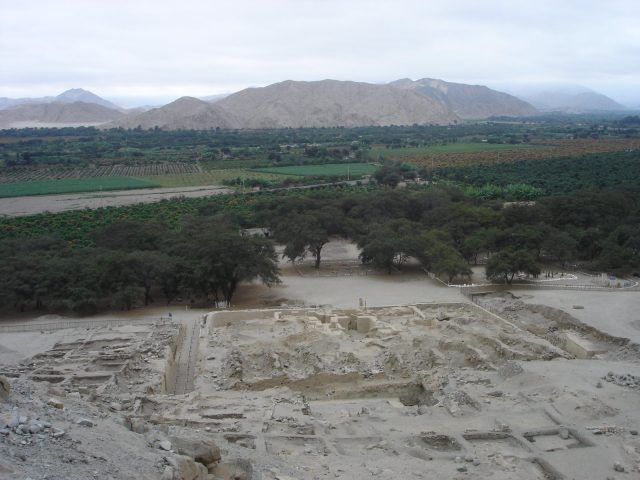
The Sechín Bajo Archaeological Museum sits quietly in the Casma River valley, a place where the past feels closer than anywhere else in Peru. This isn’t just another collection of artifacts behind glass—it’s a doorway into one of the oldest civilizations in the Americas, long before the Inca Empire rose to power. The valley itself is stark and beautiful, framed by dry hills and sparse vegetation, a landscape that has changed little since ancient times. Here, history isn’t confined to textbooks; it’s etched into the stones and buried beneath the soil, waiting to be uncovered.
The museum itself is small but carefully curated, designed to do more than display objects—it tells a story. The exhibits include pottery, stone tools, jewelry, and fragments of textiles, all unearthed from the nearby archaeological site. What stands out are the carved stones, some of the most striking examples of early Andean art. They depict warriors, priests, and mythical creatures in vivid detail, offering a glimpse into the religious and military traditions of the Sechín culture, which thrived here between 1800 and 900 BCE. The craftsmanship is remarkable, especially considering the tools available at the time.
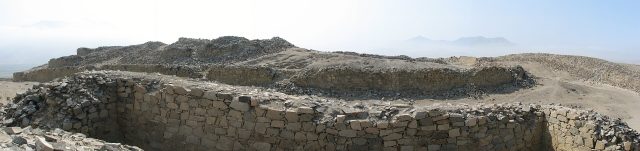
The archaeological complex of Sechín Bajo, which the museum represents, was discovered in the mid-20th century and has since become a key site for understanding pre-Columbian Peru. The centerpiece is a stone platform adorned with intricate reliefs, some of the oldest monumental sculptures in South America. Unlike the later Moche or Chimú styles, these carvings are raw and dynamic, capturing the movement and intensity of battle scenes and rituals. The figures seem almost alive, their expressions frozen in time. It’s a style that feels distinct from anything else in the region, a testament to the unique identity of the Sechín people.
What makes this place special is how it connects the past to the present. The artifacts here reveal a society deeply tied to agriculture, craftsmanship, and trade. Tools for working stone and metal, along with items from distant regions, suggest that the Casma Valley was part of a broader network of exchange. The pottery, in particular, is fascinating—each piece varies in shape and decoration, reflecting the skill and creativity of ancient potters. Some vessels were likely used in daily life, while others may have had ceremonial purposes. Together, they paint a picture of a culture that was both practical and deeply spiritual.
Visiting the museum isn’t just about looking at objects; it’s about stepping into the landscape where they were found. The valley stretches out around you, dotted with fields and small villages, while the hills in the distance hide untold archaeological treasures. Locals still occasionally stumble upon artifacts while farming or building, a reminder that history here isn’t just something studied in books—it’s still being uncovered. The air carries a sense of timelessness, as if the past and present exist side by side.
One of the most compelling aspects of Sechín Bajo is how it challenges the idea that Peruvian history begins and ends with the Inca. The Sechín culture flourished over two thousand years before the Inca Empire, yet its influence lingers in the traditions of modern Peruvians. Many agricultural practices and crafts in the region have roots in this ancient past, and the museum helps bridge that gap. There are no flashy reconstructions or interactive displays here—just the quiet power of authentic artifacts, each one a piece of a much larger story.
For those who want to explore beyond the usual tourist trails, Sechín Bajo offers something rare: a chance to engage with history without the crowds. Unlike Machu Picchu or the Nazca Lines, this site remains relatively unknown to foreign visitors, making it all the more rewarding for those who seek it out. The valley is peaceful, the kind of place where you can take your time, wandering through the exhibits and then stepping outside to imagine the people who once walked these same paths.
If you visit, it’s worth exploring the archaeological complex itself. The stone platforms and temples, though weathered by time, still hold their grandeur. There are no guided tours with rehearsed scripts, nor is there a need for them—the carvings and structures speak for themselves. The key is to slow down, to really look at the details, and to let the place work its quiet magic. It’s a reminder that history isn’t just about grand monuments; sometimes, the most profound stories are told in the smallest fragments.
Sechín Bajo is a place that humbles you. It’s a reminder that Peru’s past is far richer and more complex than most people realize. The Inca may have built an empire, but they were just one chapter in a much longer story. The Casma Valley, with its layers of history, is a testament to that. The museum here may not be as famous as others, but that’s part of its charm. It’s a place where you can stand in the presence of something ancient and feel the weight of time—not as a distant concept, but as something real, tangible, and still very much alive.