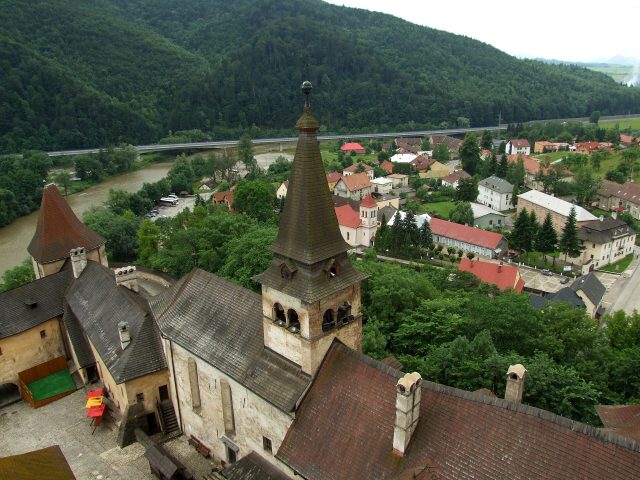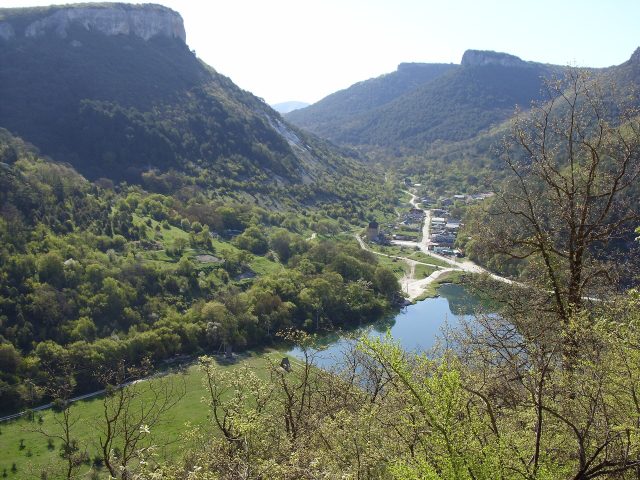
Casma River
Peru · 3 places
Photo: Fcarrera17, CC0
Casma sits quietly on Peru’s northern coast, a place that slips past most travelers’ radar. There’s no hum of tour buses, no neon signs competing for attention, just the steady rhythm of waves rolling onto dark sand and the slow, unhurried pace of a town that moves with the ocean rather than against it. The locals—mostly fishermen and farmers—go about their days without fanfare, offering a nod or a smile to visitors who wander in, though they’re clearly more accustomed to the occasional curious outsider than to crowds.
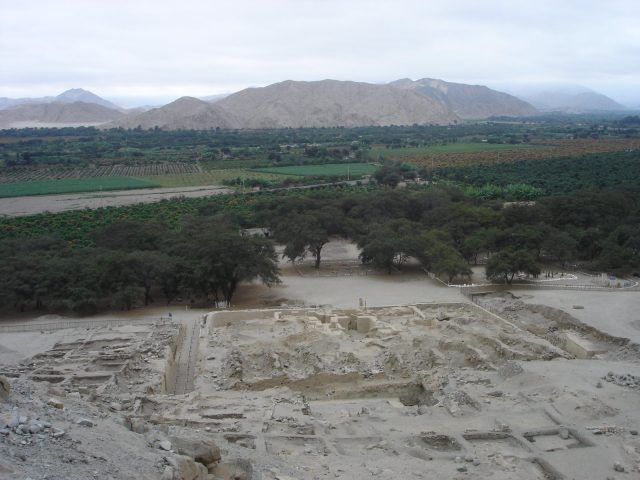
The town sprawls along the Casma River valley, hemmed in by sunbaked desert hills that seem to drink in the light. This stretch of coast was once home to ancient civilizations, and their legacy lingers in the ruins scattered just beyond the town’s edges. The most striking of these is the archaeological site of Sechín, a short drive away. Its weathered stone walls, carved with scenes of battle and ritual, hint at a time when this valley was the heart of a powerful culture. The carvings are stark, almost unsettling in their detail, but they’re a rare glimpse into a world that thrived long before the Inca. Today, the ruins stand as silent witnesses to the past, their crumbling grandeur softened by the desert winds.
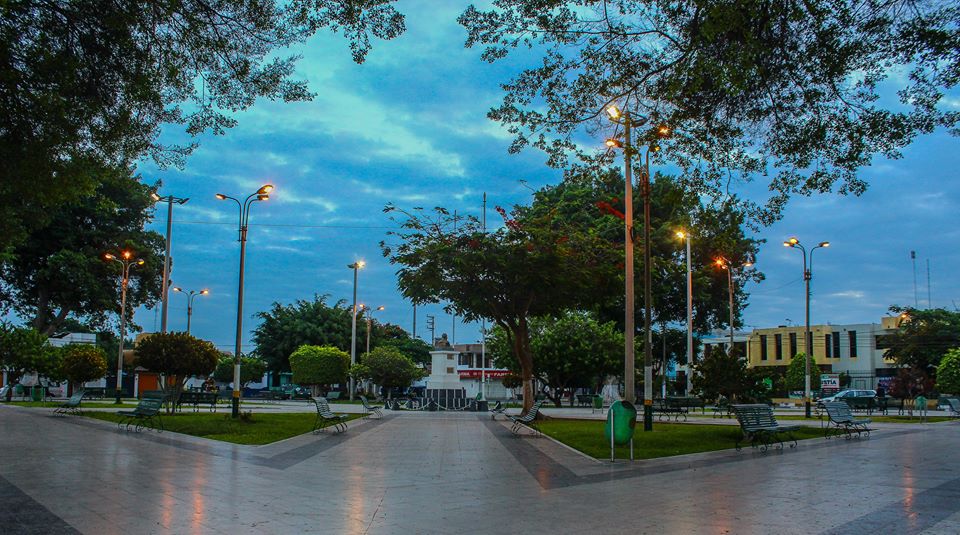
Casma itself is small enough to explore in an afternoon. The main square is anchored by a modest church, and a handful of simple eateries serve up fresh ceviche and grilled fish pulled straight from the ocean. The market offers a taste of local life—mangoes, avocados, and the occasional bundle of herbs sold by women in wide-brimmed hats. There’s no grand architecture or bustling nightlife, just the easy cadence of a place where time isn’t measured in hours but in tides. For those who’ve grown weary of crowded cities, it’s a relief. You can rent a bike and pedal along the coast, watching waves crash against the rocks, or simply sit on the beach, where the horizon blurs into the endless blue of the Pacific.
Just outside town, the landscape shifts dramatically. The beach at La Granja is a stretch of towering dunes, their slopes rippling like frozen waves. When the wind picks up, sandboarders carve their way down the faces of the dunes, whooping as they go. For those who prefer stillness, the desert offers its own kind of quiet magic. The sand shifts underfoot, whispering with each step, while the light plays tricks on the dunes, turning them gold at dawn and deep amber by dusk. Small oases dot the landscape, their scraggly trees providing just enough shade to pause and catch your breath.
This isn’t a place for those chasing adrenaline or luxury. There are no high-end resorts, no nightclubs, no guided tours herding visitors from one attraction to the next. What Casma offers instead is something harder to define—a sense of stepping into a Peru that exists beyond postcards and guidebooks. Here, the past and present coexist without fanfare, and the land itself dictates the rhythm of life. It’s a town for travelers who value atmosphere over attractions, who’d rather lose themselves in the slow unraveling of a day than rush through it. If you let it, Casma will reveal itself not in grand gestures, but in the quiet moments: the salt tang of the ocean, the warmth of the sun on your back, the way the desert light lingers long after the sun has set.
See & Do
3 places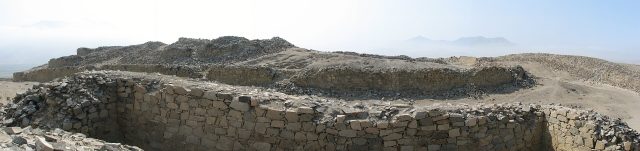
Places on the map
Marker colour follows the categoryClimate and weather
Detailed weather: Casma River- Average temperature
- 21 °C
- Precipitation per year
- 54 mm
Average air temperature
°C
22
24
24
23
21
19
19
19
19
18
20
22
Jan
Feb
Mar
Apr
May
Jun
Jul
Aug
Sep
Oct
Nov
Dec