Sanhedria Park is one of those quiet corners of Jerusalem where the past and present coexist without fanfare. Tucked away in the Givat Ram neighborhood, it sits just steps from the government buildings and the Hebrew University campus, yet feels worlds apart from the city’s usual hustle. The name itself evokes the ancient Sanhedrin, though no direct historical link has ever been proven. Still, the word carries weight here, as if the very stones whisper of a time long gone.
The heart of the park lies in its ancient burial caves, carved into the limestone during the Second Temple period. Archaeologists date them to between the first century BCE and the first century CE, a time when such tombs were common among Jerusalem’s Jewish population. The caves form an intricate network of chambers and passageways, some sealed, others partially open, revealing niches where sarcophagi once rested. The remnants of stone doors and the rough-hewn walls offer a glimpse into burial customs of two millennia ago, a silent testament to rituals that shaped the city’s identity.
Yet Sanhedria is more than an archaeological site. It’s a place where modern Jerusalemites come to unwind. Manicured lawns stretch between shaded paths, dotted with benches where people read, chat, or simply watch the world go by. Mornings often bring yoga groups, while evenings see families gathering for picnics or children playing ball. On weekends, the park buzzes with life—students lounging on the grass, elderly couples strolling, the occasional musician strumming a guitar. Unlike the crowded alleys of the Old City, Sanhedria offers a slice of everyday life, a rhythm that feels distinctly local.
The park’s design blends the ancient with the contemporary. Near the caves, modern sculptures and art installations stand in quiet dialogue with the past. One of the most striking is a minimalist Holocaust memorial, a place of reflection rather than spectacle. It’s not uncommon to see school groups here, or older visitors pausing to pay their respects. The contrast between the weathered stone of the tombs and the clean lines of the memorial creates a space where history feels both distant and immediate.
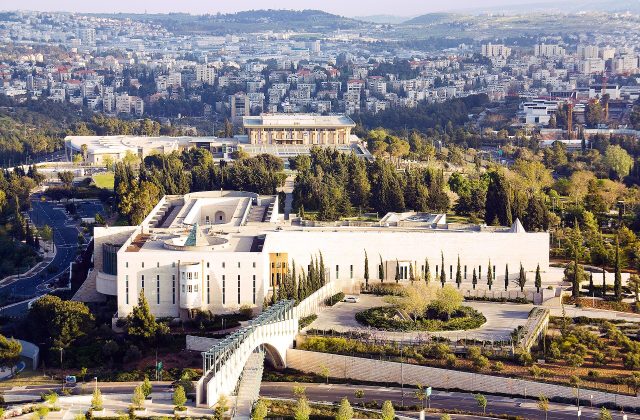
Sanhedria sits at a crossroads of cultures. Within a short walk, you’ll find the Hebrew University campus, where students from around the world study, and the government quarter, home to the Knesset and the Supreme Court. Just beyond that lie the ultra-Orthodox neighborhoods, where life moves to a different beat. The park itself remains a neutral ground, a place where these worlds briefly overlap without friction. It’s a reminder that Jerusalem, for all its divisions, still has spaces where people can simply be.
For those drawn to history, Sanhedria offers a rare chance to engage with the past without the crowds. There are no museum-style plaques or guided tours here—just the quiet hum of the city in the background. You can wander the paths, peer into the caves, or sit on a bench and listen to the wind rustling through the trees. In summer, the shade provides relief from the heat, while autumn transforms the park into a palette of gold and crimson. It’s a place where time seems to slow down, where the layers of history feel tangible but not overwhelming.
What makes Sanhedria special is its lack of pretension. There are no souvenir stands, no overpriced cafes, no hawkers trying to sell you a tour. It’s not a place you’ll find in most guidebooks, and that’s precisely why it’s worth visiting. Here, Jerusalem reveals itself not as a museum piece, but as a living city, where the past is never far from the surface. Whether you spend an hour or an afternoon, the key is to linger. The magic of Sanhedria lies in its unhurried pace, in the way it invites you to slow down and notice the details—the play of light on the limestone, the laughter of children, the quiet conversations of strangers. It’s a reminder that sometimes, the most meaningful experiences are the ones that unfold without a script.