The Israel Museum stands in Jerusalem’s hills, its white buildings scattered across gardens. Paths wind between them, leading past olive trees and sculptures. The air carries the scent of pine and earth. This is where objects from different centuries share the same space—not as relics, but as voices.
The museum opened in 1965, the same decade Israel itself took shape. Like the country, it gathered fragments: scrolls, pottery, paintings, weapons. Today, it holds over 500,000 items. Some are famous—the Dead Sea Scrolls, a Chagall painting. Others are quiet: a child’s sandal from Masada, a Roman coin stamped with an emperor’s profile. Each has a story, and the museum lets them tell it.
The Shrine of the Book
A white dome rises from the ground, its shape echoing the jars that once held the Dead Sea Scrolls. Inside, the light is dim, the air cool. The scrolls lie in glass cases, their edges frayed, their ink faded. These texts—some written over 2,000 years ago—survived caves, wars, and time. The building protects them, but it also reminds you how fragile they are.
Nearby, screens show translations and explanations. You can zoom in on a single letter, trace the curve of an ancient script. Yet the originals remain at the center. Their presence is unmistakable.
The Model of Jerusalem
A miniature city sprawls across a platform, its streets and walls built to scale. This is Jerusalem in the first century, when the Second Temple still stood. At night, lights cast shadows across the model, turning stone houses gold. You can see the Temple Mount, the market stalls, the roads leading to the city gates. It’s not just a reconstruction—it’s a glimpse of a place that no longer exists.
Standing over it, you notice details: the way the walls curve, the tiny steps leading to a house. The model doesn’t just show history. It makes you imagine the people who walked those streets.
Archaeology Wing
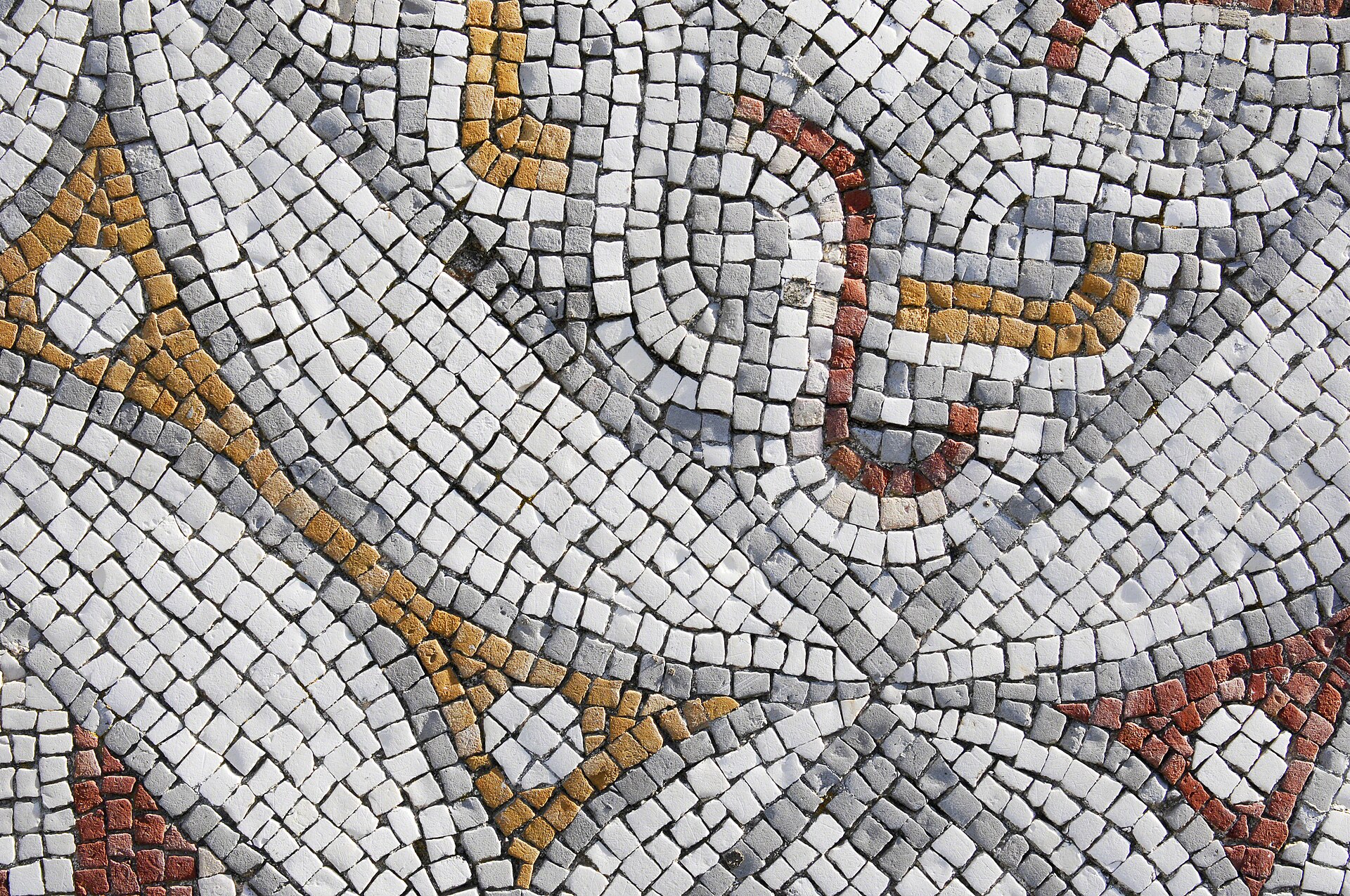
Here, the past is divided by era. One room holds Canaanite pottery, its patterns still sharp after 3,000 years. Another displays Roman coins, their edges worn smooth. A glass case shows a Philistine necklace, its beads tiny and bright.
The Masada exhibit is different. The objects here—broken pottery, rusted weapons—don’t just represent a place. They belonged to people who chose to die rather than surrender. A cracked jar, a sandal with its straps still intact. You wonder who last touched them.
Art Galleries
The collection includes paintings from across centuries and continents. A Modigliani portrait hangs near a medieval Hebrew manuscript. A Picasso sketch shares a wall with a Moroccan wedding dress. The Jewish art holdings are especially varied: a Polish synagogue ceiling, an Ethiopian Torah scroll, a Tunisian ketubah.
These works weren’t just created—they were carried. Across oceans, through wars, from one home to another. They show how people held onto identity when everything else was lost.
Sculpture Garden
Statues stand among the trees, their forms blending with the landscape. In summer, concerts fill the air. In winter, rain collects in the curves of bronze figures. The garden changes with the seasons, but the sculptures remain.
You can sit on a bench and watch the light shift. A stone figure seems to lean toward the sun. A metal bird perches on a branch, as if it might take flight.
Beyond the Exhibits
The museum hosts temporary shows: contemporary art, photography, installations. It runs workshops for children, lectures for adults. It lends artifacts to other museums and borrows from them in return.
People return because the museum doesn’t stay the same. A new exhibit might reframe an old object. A guide might point out a detail you missed. The past doesn’t change, but the way you see it does.
There’s no set path through the galleries. You might spend an hour with a single scroll or walk past a thousand objects without stopping. You might come for the famous pieces and leave thinking about a cracked pot or a rusted nail. The museum doesn’t tell you what to see. It gives you space to look.
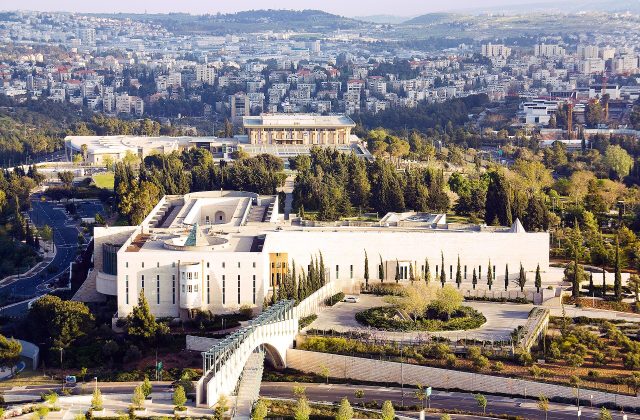
Outside, the gardens slope toward the city. Jerusalem spreads below, its stones the same color as the museum’s walls. You can hear traffic, voices, the wind. The past isn’t separate here. It’s part of the air, the light, the ground under your feet.