The Knesset is more than just the seat of Israel’s parliament. It’s a place where the country’s future is shaped, where every stone seems to hold the weight of a nation’s journey toward independence and democracy. Located in the Givat Ram neighborhood of Jerusalem, the Knesset stands as a symbol of modern Israel—a blend of solemn statecraft and openness to its citizens. Laws that affect millions are debated and passed here, yet the building itself remains accessible to visitors, offering a rare glimpse into the heart of the nation’s political life.
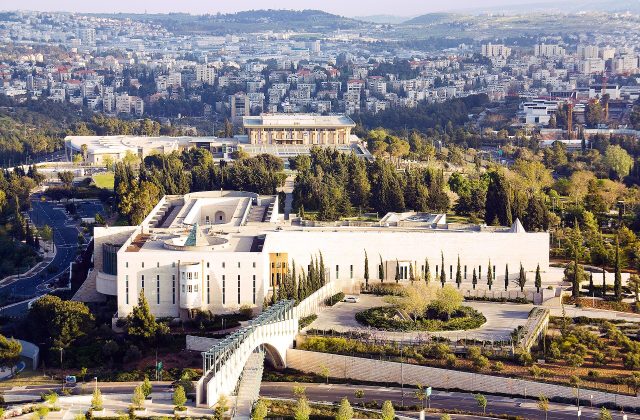
The architecture of the Knesset reflects both grandeur and restraint. Designed by architect Yosef Klarwein in the mid-20th century, the building was conceived to embody the spirit of a young state finding its footing. Its facade, made of the pale Jerusalem stone that defines the city’s aesthetic, is clean and unadorned, emphasizing the seriousness of its purpose. Inside, the design prioritizes transparency and function: spacious halls, large windows flooding the space with natural light, and minimalist decor that keeps the focus on the work being done. There’s no excess here, just a sense of quiet dignity.
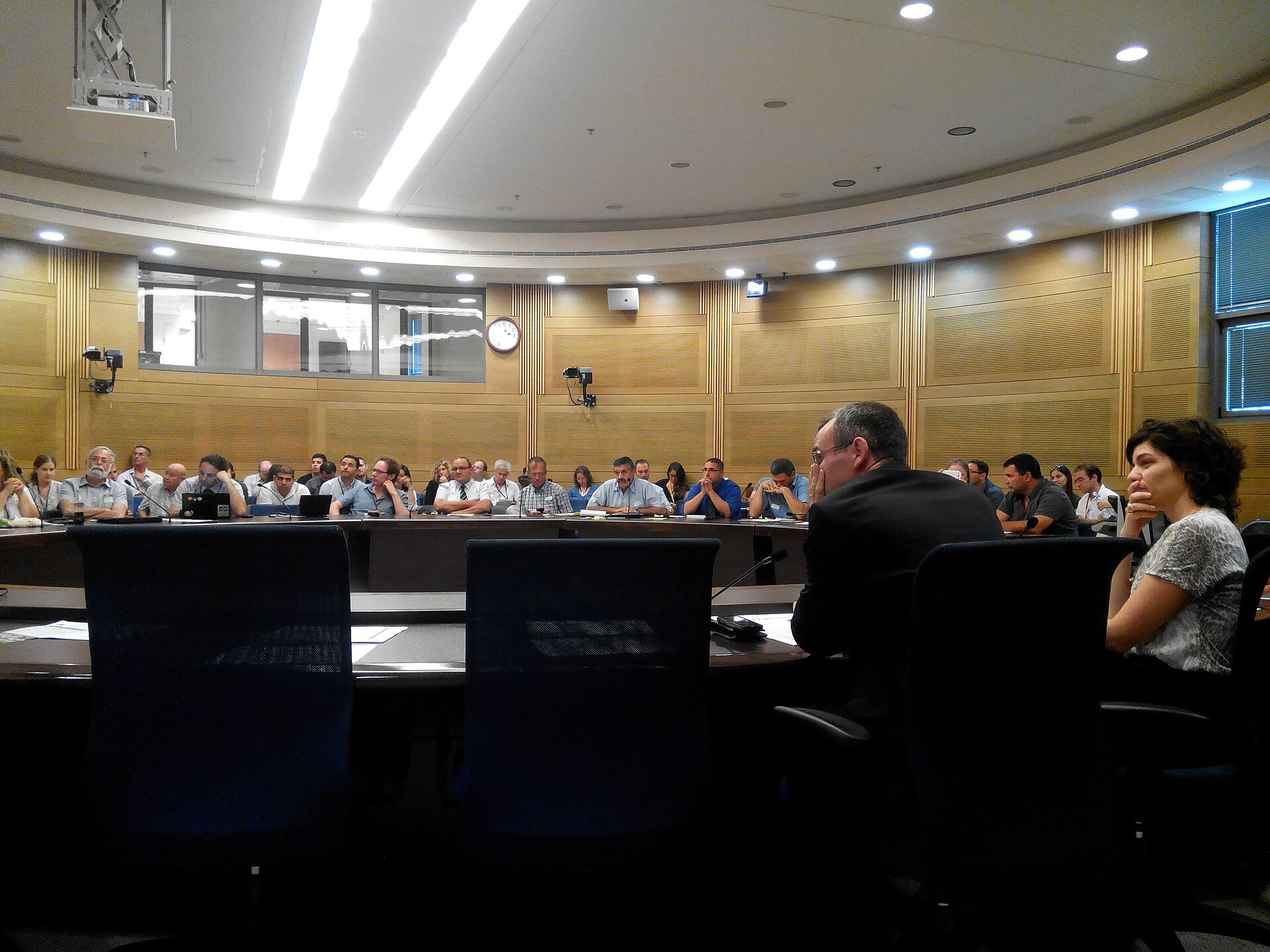
The heart of the Knesset is its plenum hall, where debates unfold and votes are cast. The room is vast, with high ceilings and a layout that ensures every member’s voice can be heard. The speaker’s podium is positioned so all can see it, reinforcing the idea that this is a space for dialogue, not spectacle. While the hall is equipped with modern voting systems and broadcasting technology, allowing the public to follow proceedings, it retains a sense of tradition. Visitors can tour the hall, provided they arrange it in advance, and witness firsthand the place where Israel’s laws take shape.
The grounds surrounding the Knesset are just as thoughtfully designed. The park-like area is dotted with sculptures and memorials that tell fragments of Israel’s story. Some commemorate the Holocaust, others honor the founders of the state, and a few reflect the complexities of national identity. Walking through the space, you’re reminded that this isn’t just a government complex—it’s a living monument to a country’s past and present. The art here isn’t decorative; it’s part of the conversation about what Israel has been and what it aspires to be.
Beyond its political role, the Knesset serves as a cultural hub. Exhibitions, lectures, and public forums are regularly held here, turning the building into a space for dialogue between leaders and citizens. It’s where policy meets people, where abstract debates about the future become tangible discussions about society. For many Israelis, visiting the Knesset isn’t just about seeing how laws are made—it’s about feeling connected to the process, about understanding that democracy isn’t something that happens to them, but something they’re part of.
The Knesset’s history is intertwined with Israel’s own. The first session took place in 1949, shortly after the country declared independence, and for years, the parliament moved between temporary locations in Tel Aviv. The decision to establish a permanent home in Jerusalem was symbolic, marking the city’s role as the political and spiritual center of the nation. Over the decades, the building has expanded and modernized, but its core purpose has remained unchanged: to be the place where Israel’s future is debated, shaped, and decided.
For visitors, the Knesset offers more than just a tour of a government building. It’s a chance to understand how Israeli democracy functions, from the election of members to the workings of its committees. Guided tours, available in multiple languages, explain the structure of the parliament, its history, and its role in society. It’s particularly fascinating for those interested in comparative politics, as the Knesset’s system—with its unique blend of proportional representation and coalition-building—differs from many other parliamentary models. Even the logistics of how laws are proposed, debated, and passed offer insight into the country’s priorities and challenges.
The atmosphere inside the Knesset is one of quiet efficiency. There’s no sense of chaos or bureaucracy run amok; instead, there’s an orderliness that feels respectful of both the institution and its visitors. Security is thorough but unobtrusive, and staff are approachable, ready to answer questions or point you in the right direction. Even if you don’t take a tour, the grounds are worth exploring. The architecture, the art, the very air of the place—it all carries a sense of purpose, a reminder that this is where the country’s direction is set.
What makes the Knesset remarkable is how it bridges past and present. It’s a place where the ideals of democracy meet the realities of modern governance, where tradition and innovation coexist. The debates that happen here aren’t just about policy; they’re about identity, about what kind of country Israel wants to be. Visiting the Knesset doesn’t just inform—it leaves you with a sense of being part of something larger, something that’s still unfolding. It’s a building, yes, but it’s also a living, breathing entity that reflects the hopes, struggles, and resilience of a nation.