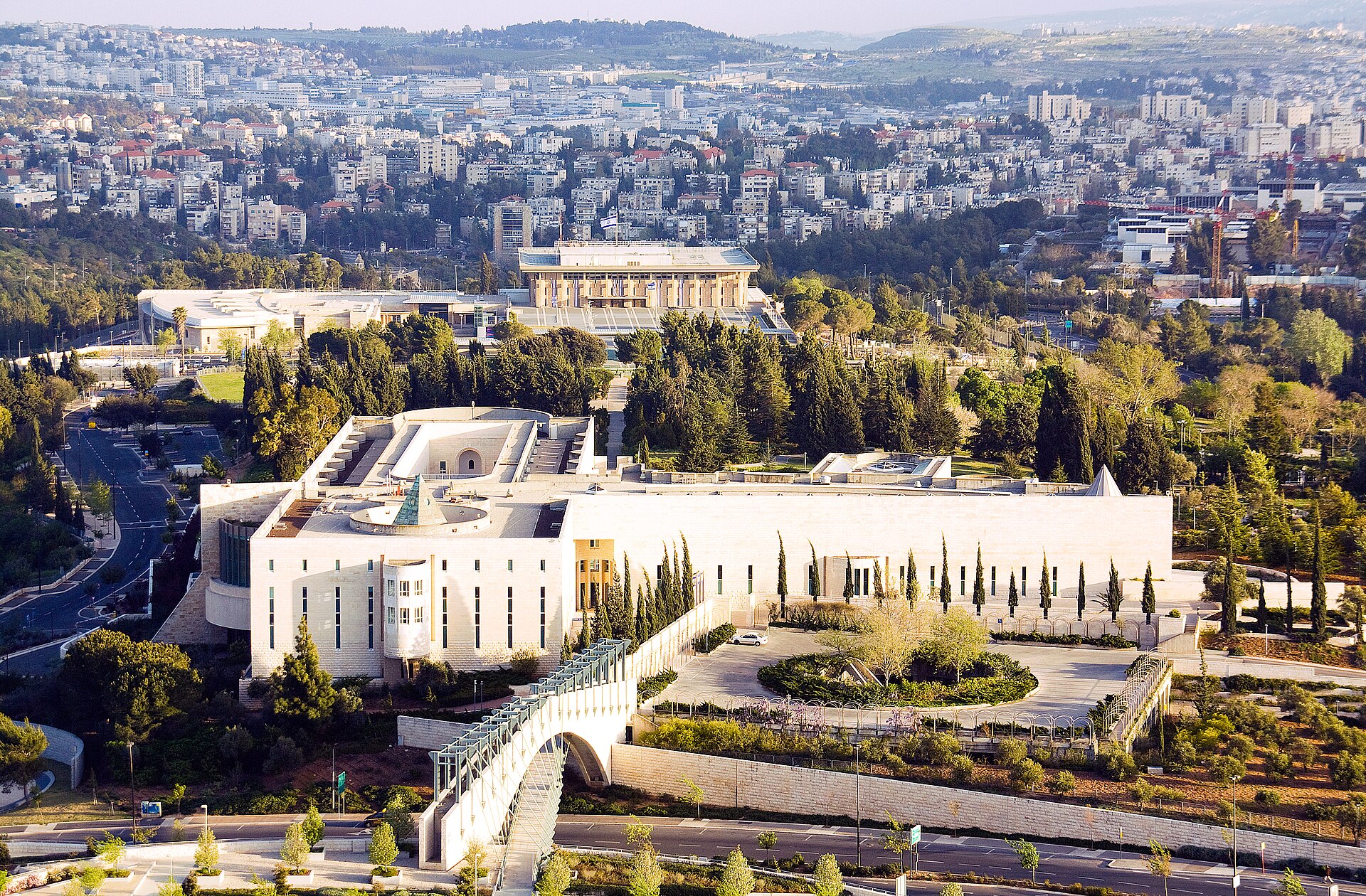
Perched on the gentle slopes of Givat Ram, the Supreme Court of Israel stands as a quiet yet commanding presence in Jerusalem. Unlike the ancient stone walls and domes that dominate the city’s skyline, this building speaks in a different architectural language—one that balances the weight of history with the clarity of modern design. It isn’t just a courthouse; it’s a physical embodiment of the ideals that shape the country, where legal traditions rooted in millennia-old texts intersect with the demands of a young, evolving democracy.
The design, conceived by architects Ada Karmi-Melamede and Ram Karmi, feels almost organic, as if the structure emerged naturally from the hillside rather than being imposed upon it. Jerusalem stone, the same golden-hued limestone used in the city’s oldest buildings, clads the exterior, tying the court to its surroundings while giving it a timeless quality. Inside, the spaces unfold with deliberate rhythm: courtyards filled with still water reflect the sky, corridors guide visitors through shifting light and shadow, and the absence of sharp angles softens the building’s authority. It’s a place where the gravity of justice is tempered by an unexpected sense of calm.
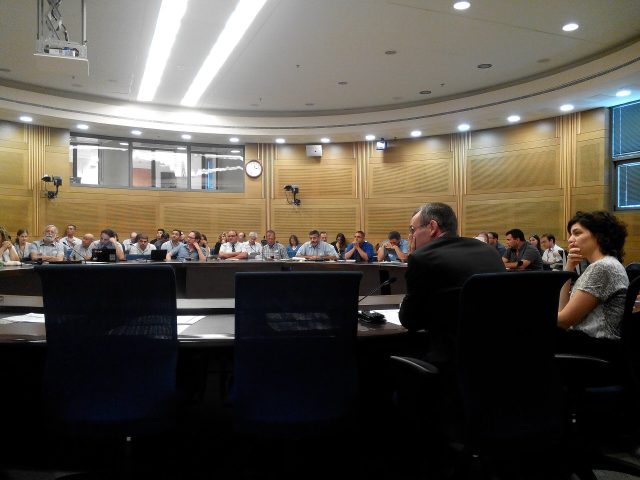
At the heart of the complex lies the main courtroom, a space that manages to feel both solemn and intimate. The high ceilings and warm wood paneling create an atmosphere of dignity, while large windows frame views of Jerusalem, grounding the proceedings in the city’s living history. The judges’ bench, crafted from walnut, faces the room with quiet authority, its surface etched with passages from Jewish legal texts alongside modern constitutional principles. This juxtaposition isn’t accidental—it reflects the court’s role as a bridge between tradition and contemporary governance, where ancient wisdom must adapt to the complexities of a modern state.
The Supreme Court’s influence extends far beyond its walls. As the highest judicial authority in Israel, it doesn’t just interpret laws; it shapes them. Unlike many other countries, Israel’s court has the power to strike down legislation that conflicts with the nation’s basic laws, a responsibility that makes it one of the most powerful judicial bodies in the world. Its rulings on issues like civil liberties, religious freedom, and the balance between security and individual rights often spark intense public debate, underscoring the court’s role as both a legal institution and a moral compass. For many Israelis, the court represents the promise of a system where justice isn’t just blind, but also fair—a place where even the most contentious disputes can be resolved through reason rather than force.
The building itself is a product of its time. Construction began in the late 1980s, a period when Israel was grappling with rapid social change and political upheaval. The new courthouse wasn’t just a practical necessity—it was a statement. For decades, the Supreme Court had operated out of rented offices, a temporary solution that no longer suited its growing importance. The new building, completed in 1992, was designed to reflect the court’s stature, both as a functional space and as a symbol of Israel’s commitment to democratic principles. Its opening marked a turning point, signaling that the country’s legal institutions had come of age.
Surrounding the court is a park that serves as a buffer between the weight of the law and the bustle of the city. Olive trees and pines line winding paths, while a small pool of water mirrors the sky, offering a place for reflection. The park is open to everyone, and it’s not uncommon to see lawyers in suits sharing a bench with students or tourists, all drawn by the quiet beauty of the space. For many Jerusalemites, it’s a place to escape the city’s intensity, a reminder that even in a place defined by conflict and complexity, there are moments of stillness.
Visiting the Supreme Court offers more than just a glimpse into Israel’s legal system—it’s a chance to understand the forces that have shaped the country. Guided tours, available in multiple languages, weave together stories of landmark cases, architectural details, and the broader context of Israeli society. You might hear about rulings that redefined the relationship between religion and state, or decisions that expanded protections for marginalized communities. These aren’t just legal footnotes; they’re chapters in a larger narrative about what it means to build a nation where justice isn’t just an ideal, but a living practice.
What makes the Supreme Court remarkable isn’t just its architecture or its legal authority, but the way it embodies the tensions at the heart of Israel itself. It’s a place where ancient texts and modern laws coexist, where individual rights collide with collective security, and where the past is never far from the present. The building’s solidity—its stone walls, its measured proportions—belies the dynamism of the work that happens inside. Every case heard here carries the potential to reshape lives, and every decision is a reminder that justice isn’t a fixed concept, but something that must be constantly redefined.
In the end, the Supreme Court is more than a building. It’s a testament to the idea that a society’s values are only as strong as the institutions that uphold them. It stands as a quiet challenge to cynicism, a place where the rule of law isn’t just an abstract principle, but a daily practice. Whether you come as a visitor, a litigant, or simply someone curious about how justice works, the court invites you to look beyond its imposing facade and see the human stories that unfold within its walls. And perhaps that’s its greatest achievement—not just that it administers justice, but that it makes it feel within reach.