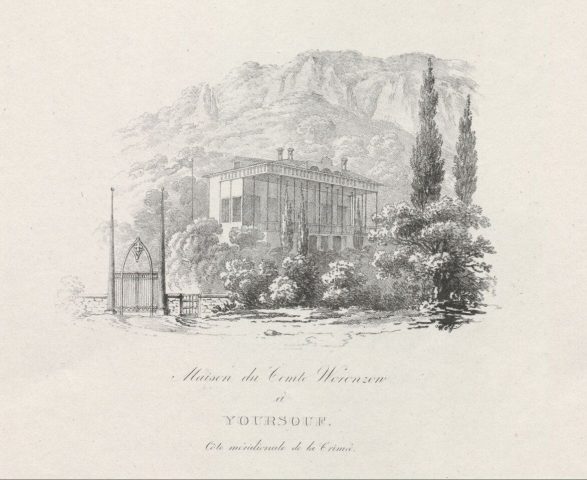
The house in Gurzuf known as the Shalyapin House is one of those rare places where history and legend blend so seamlessly that it becomes difficult to tell where one ends and the other begins. Perched on the shore of the Black Sea, this villa is forever tied to the name of Fyodor Shalyapin, the great Russian opera singer who spent the summer of 1916 here. It’s said that the Crimean landscape—the sea, the mountains, the very air—inspired him in ways that shaped his later performances. Though the house was never his own, the memory of his time here left such a mark that his name became inseparable from the place itself.
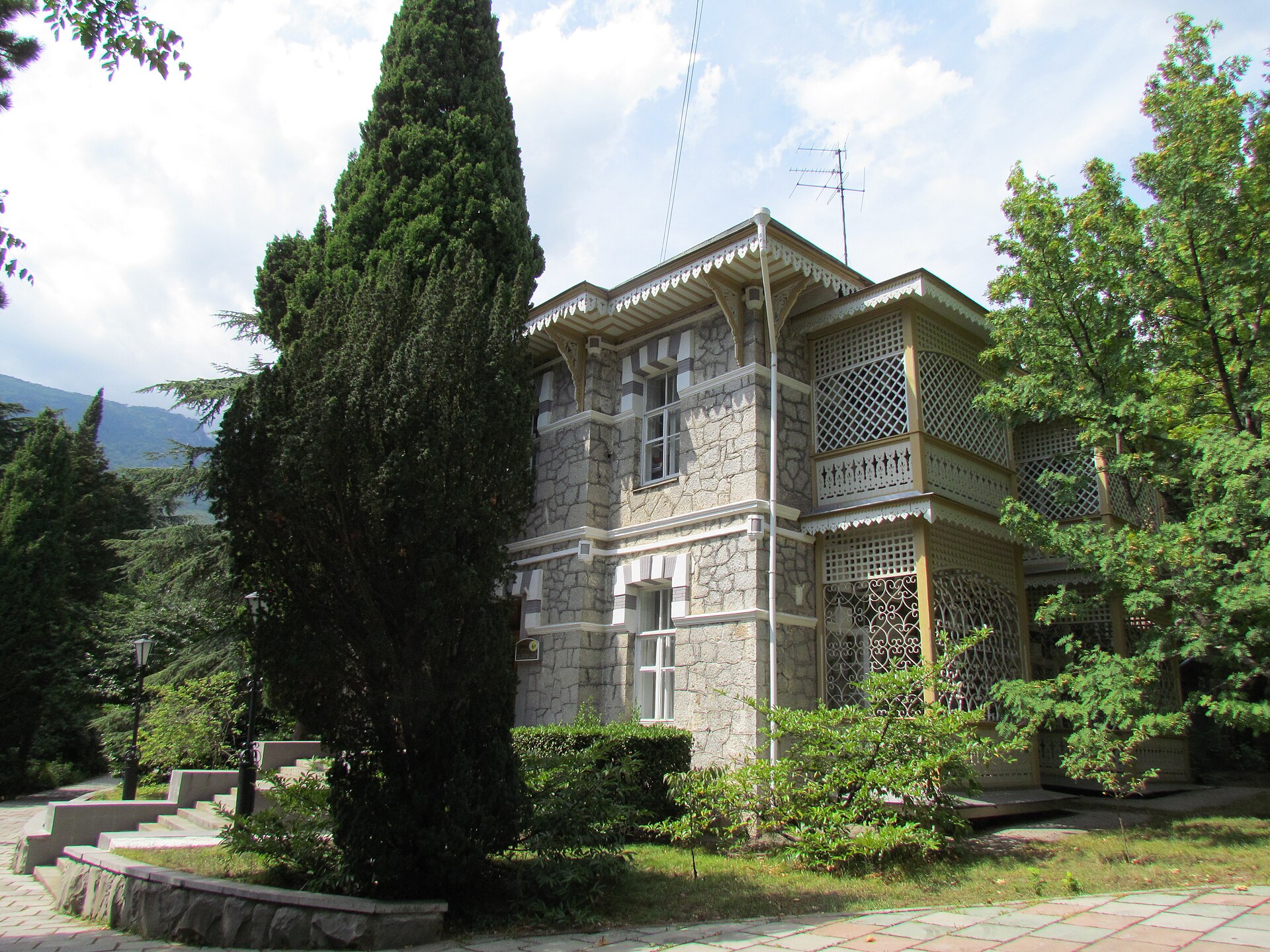
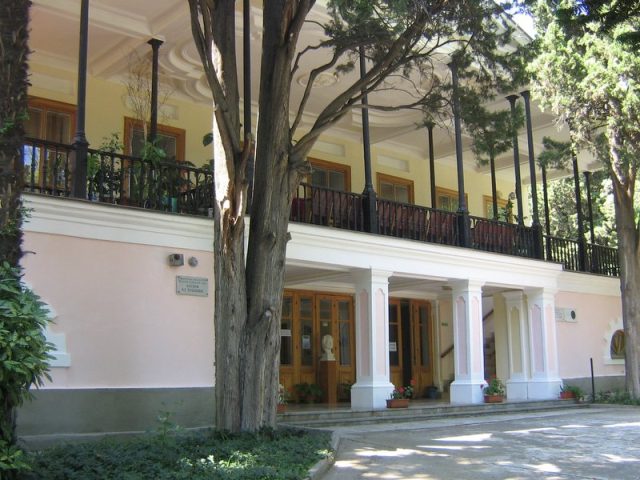
Built in the late 19th century as a summer retreat for a wealthy merchant family, the villa reflects the architectural style of the era along the southern coast of Crimea. Light balconies, large windows framing sea views, and spacious verandas designed for leisurely evenings capture the essence of a bygone elegance. Inside, the decor was luxurious without being ostentatious—comfort and warmth mattered more than display. Paintings adorned the walls, furniture was chosen with care, and the fireplace in the living room offered a cozy refuge on cooler nights.
Shalyapin didn’t choose Gurzuf by chance. By 1916, he was already a global star, but fame came with exhaustion. Crimea had long been a retreat for Russia’s intellectual and artistic elite, and Gurzuf, with its mild climate and secluded beauty, was a favorite. Writers like Chekhov, Gorky, and Bunin had spent time here, and Shalyapin found himself in good company. The house he rented became a gathering place for musicians, artists, and writers. Evenings were filled with conversation, music, and impromptu performances, with Shalyapin often picking up a guitar or sitting at the piano.
The house endured turbulent times after the revolution. In the Soviet era, it was repurposed as a sanatorium and later a guesthouse, its interiors gradually adapting to new needs. Yet the memory of Shalyapin was preserved. In the 1960s, a memorial plaque was installed on the facade, and later, one of the rooms was turned into a small museum dedicated to the singer. The exhibit is modest but evocative—photographs, letters, playbills from his performances, and everyday objects that hint at how he lived during his stay.
Today, the Shalyapin House is both a museum and a functioning hotel. Guests can stay for a few days, walking the same paths Shalyapin once did and gazing at the sea from the same balconies. Some of the original interiors remain, though modern amenities have been added. The living room still holds a piano, and occasional concerts continue the tradition of musical evenings that began over a century ago.
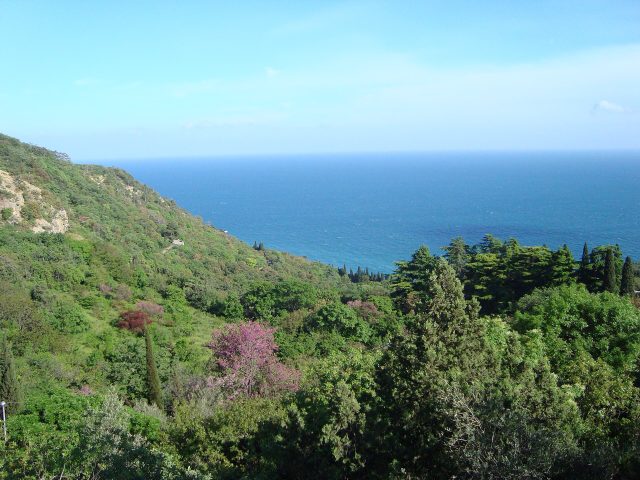
Gurzuf itself is a place apart. A quiet settlement with narrow streets, ancient cypress trees, and the scent of pine resin mingling with the salty sea air, it lacks the bustle of larger resorts. The sea here feels closer, the water clearer. The house is surrounded by a park of old-growth trees, offering shade from the midday sun. Nearby, the famous Shalyapin Rock provides a stunning view of the bay and the iconic Mount Ayu-Dag. The waterfront promenade comes alive in the evenings, where locals and visitors gather.
The Shalyapin House isn’t just an architectural landmark or a museum exhibit. It’s a place where time seems to slow, where you can almost hear the echoes of conversations that took place a hundred years ago among some of the most brilliant minds of the era. There’s no grandiosity here, just a quiet reverence for the past and a chance to connect with history through small details—the creak of wooden floors, the scent of aged furniture, the sound of the sea outside.
Of course, Crimea has many places tied to great figures from Russia’s past. But the Shalyapin House feels different because it hasn’t been frozen in time as a museum piece. It remains a living space where people still come to rest, where music still plays, and where the sea still murmurs beyond the windows, just as it did a century ago. That continuity makes the memory of Shalyapin feel less like a distant relic and more like a thread in an ongoing story.