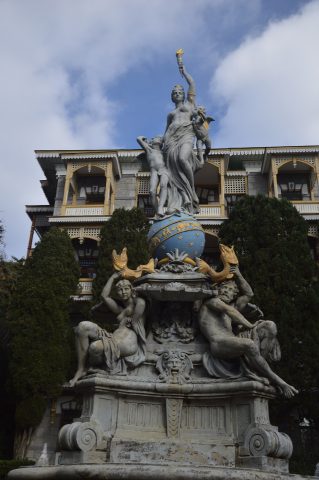
The Richelieu House in Gurzuf is one of those rare places that seem untouched by time, a quiet relic of the past standing amidst the modern world. Built in the early 19th century, this modest yet elegant mansion is forever linked to the figure of Armand-Emmanuel du Plessis, Duke of Richelieu, a man whose life bridged two continents and left a lasting mark on the history of Crimea. The house has changed little over the centuries—its whitewashed walls, tall windows, and understated classical details still evoke the era when it was first constructed. Perched on a gentle rise, it overlooks the sea, as if silently preserving the stories of those who once lived within its walls.
Richelieu himself was an unlikely resident of this remote corner of the world. A prominent French statesman, he fled to Russia after the French Revolution, finding refuge under the patronage of Emperor Alexander I. When he arrived in Gurzuf in 1808, the area was far from the bustling resort it would later become. Back then, it was a quiet, almost wild place, with few settlements and untamed nature. Richelieu spent several years here, shaping the estate and forging connections with the local community. The house became more than just his residence—it was a gathering place for travelers, diplomats, and intellectuals from across Europe, a small but vibrant cultural hub in an otherwise secluded landscape.
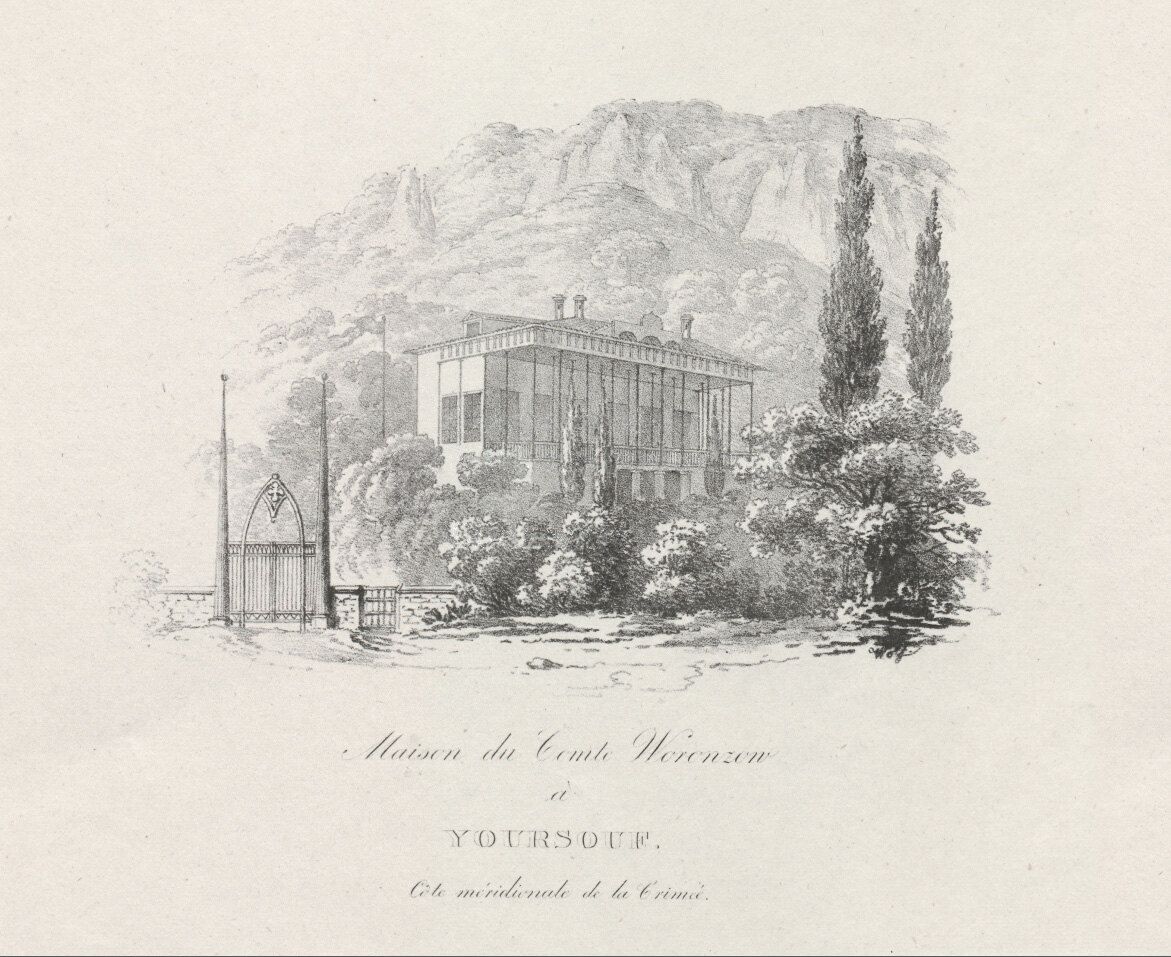
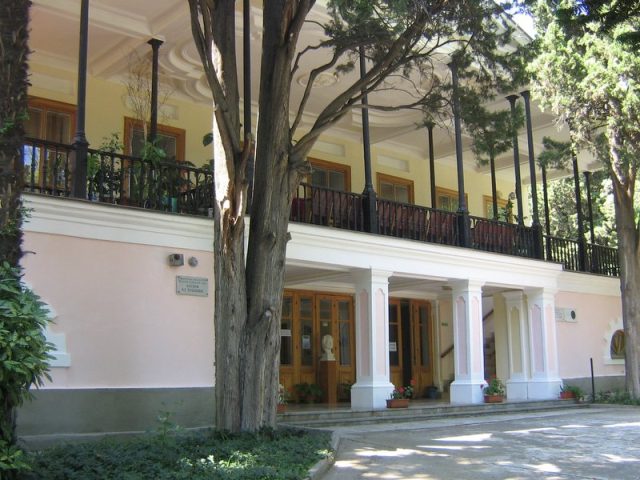
The architecture of the Richelieu House is simple, yet its charm lies in that very simplicity. The two-story building, with its symmetrical facade and flat roof, reflects the Mediterranean influences of the time. Inside, the layout remains true to its original design: high ceilings, spacious rooms, and large windows that flood the interiors with light. Historical accounts suggest the decor was unpretentious but comfortable, avoiding excessive opulence. Once, the house was surrounded by a meticulously planned French-style garden, with neat pathways and fruit trees. Though little of that garden remains today, its traces still hint at the estate’s former elegance.
After Richelieu left for Odessa, where he became the city’s governor, the house passed through many hands. Over the years, it hosted Russian aristocrats, foreign diplomats, and other notable figures. By the late 19th century, it had been acquired by Prince Vorontsov, who incorporated it into his vast estate. The Vorontsovs, known for their patronage of the arts, often entertained guests here—writers, artists, and musicians among them. Gurzuf was gradually transforming into a fashionable retreat, and the Richelieu House became part of this new era, a quiet witness to the changing times.
During the Soviet period, the building served various purposes—first as a sanatorium, then as a children’s camp, and later as an administrative office. Though it survived the upheavals of the 20th century, some of its original character was lost along the way. Recent restorations have sought to revive its historical appearance, but no amount of renovation can fully recapture the atmosphere of the past. Still, even now, the house invites visitors to imagine the candlelit evenings, the music drifting through its rooms, and the lively conversations about politics and culture from distant capitals.
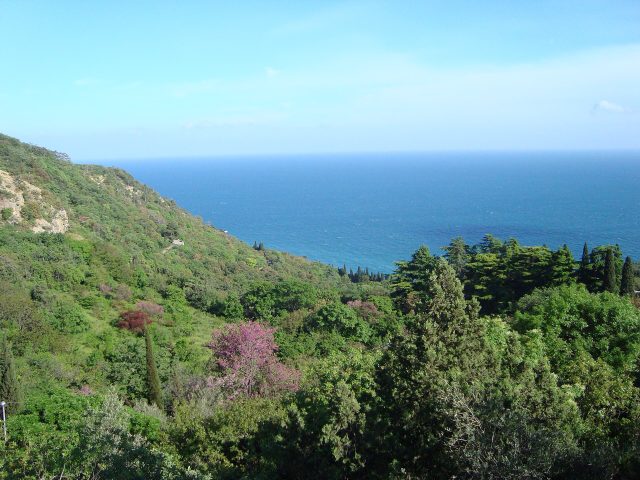
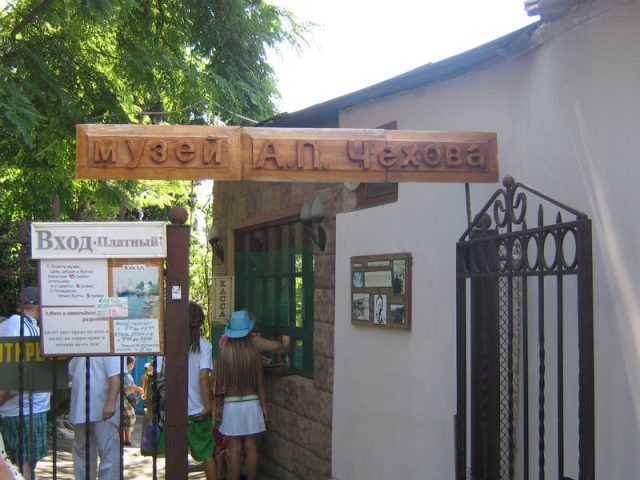
Today, the Richelieu House is not a museum in the traditional sense, nor is it a major tourist attraction. Instead, it feels like a silent guardian of history, offering its story only to those who take the time to listen. There are no crowds here, no flashy signs or guided tours—just the quiet presence of a building that has stood for over two centuries. You can linger by the entrance, picturing the carriages that once rolled up the path, or climb the small hill behind it to see the sea as Richelieu himself once did. The beauty of such places lies in their restraint; they ask for nothing more than curiosity and respect.
Gurzuf is a town shaped by layers of history, where different cultures and eras have left their mark. The Richelieu House fits seamlessly into this tapestry, a reminder that Crimea has always been a crossroads of peoples and traditions. Greeks, Genoese, Tatars, Russians, French, and Italians—all have lived here, each contributing to the region’s unique identity. This house is one small piece of that story, helping to explain how the peninsula became the place it is today.
If you ever find yourself in Gurzuf, take a moment to visit the Richelieu House. It stands slightly apart from the usual tourist paths, which is precisely why it’s worth seeking out. There’s no rush here, no need to snap photos or follow a schedule. You can simply sit on a nearby bench, listen to the sound of the waves, and reflect on the countless lives that have passed through this place, leaving behind only memories. That, in the end, is the true value of such quiet corners—they remind us of time’s fleeting nature and the importance of pausing to look back.