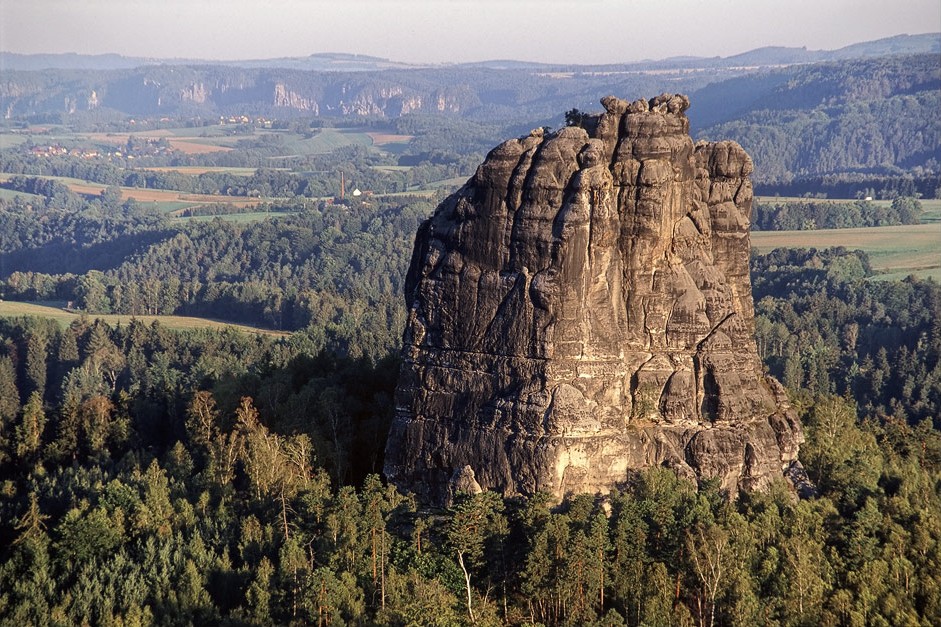
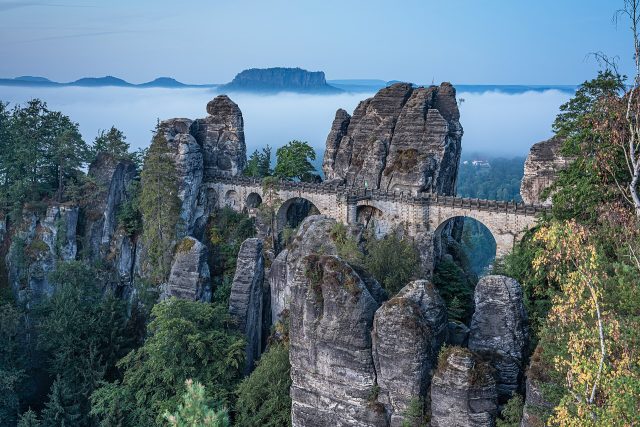
Nestled in the heart of Saxony, just a short journey from Dresden, Saxon Switzerland feels like stepping into a living painting. The name itself is a poetic misnomer, bestowed in the 18th century by two Swiss artists who wandered through Europe in search of inspiration. When they stumbled upon this rugged landscape of sandstone cliffs and deep gorges, they found it so reminiscent of their homeland that the name stuck, despite the region having little in common with Switzerland beyond its dramatic scenery. Here, the Elbe River carves its way through ancient rock formations, creating a terrain that is both wild and strangely intimate, as if nature itself had set out to sculpt something both grand and delicate.
The rocks here tell a story millions of years in the making. Once, this land lay beneath a shallow sea, which over eons deposited thick layers of sandstone. Wind, water, and time then worked their magic, eroding the stone into fantastical shapes—towers, arches, and bridges that seem almost too perfect to be natural. The most famous of these is the Bastei Bridge, a slender stone span that appears to float above the treetops. Reaching it requires a winding climb through dense forest, but the effort is rewarded with sweeping views of the Elbe winding through the valley below. On clear days, the spires of Dresden can just be glimpsed in the distance, a reminder of how close this wilderness lies to civilization.
Yet Saxon Switzerland is more than just its cliffs. The region is dotted with quiet villages where time moves at its own pace, their houses topped with the same red-tiled roofs that have sheltered generations. The Elbe River, which has shaped the landscape for millennia, remains the lifeblood of the area. Once a vital trade route, it now carries sightseeing boats that offer a different perspective on the towering rock formations. Autumn is perhaps the most magical time to visit, when the forests blaze with color and morning mist clings to the river like a veil, softening the edges of the world.
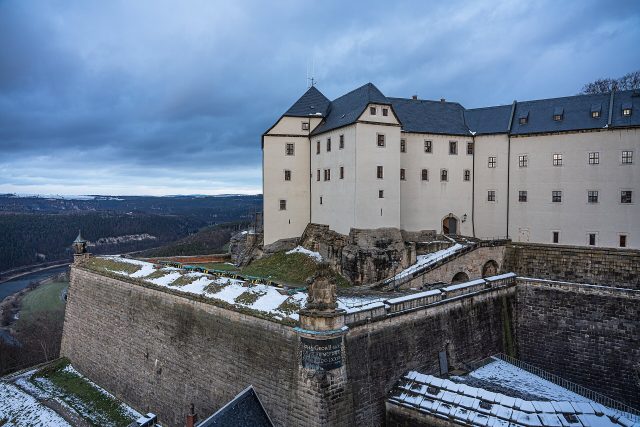
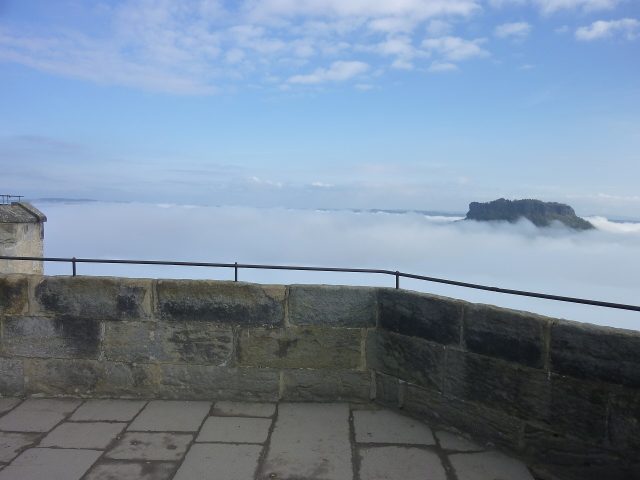
History runs deep in these hills. For centuries, this was a borderland, a contested space between Saxony and Bohemia where fortresses were built to guard trade routes and assert power. The most imposing of these is Königstein Fortress, a massive stone citadel perched atop a plateau. One of the largest mountain fortresses in Europe, it has served as a prison, a treasury, and a wartime refuge for art. Today, its ramparts offer some of the best views in the region, stretching across the Elbe Valley and the rolling hills beyond. Walking its walls, it’s easy to imagine the centuries of footsteps that have echoed here, each leaving their mark on the land.
For those who prefer to explore under their own power, Saxon Switzerland is a paradise. Hundreds of miles of hiking trails wind through the region, ranging from gentle riverside strolls to challenging climbs up sheer rock faces. The paths are well-marked, making it easy to venture out even for beginners, though some routes demand a head for heights. Cyclists will find their own slice of heaven here, too, with dedicated bike paths tracing the Elbe and cutting through forests and past vineyards. The landscape changes with every turn, from sun-dappled glades to sudden vistas where the cliffs drop away into the valley below.
Despite its popularity, Saxon Switzerland has managed to avoid the crowds that plague other German tourist destinations. Even in peak season, it’s possible to find solitude among the rocks and trees. This is partly due to the region’s protected status—much of it lies within a national park where strict conservation rules help preserve its wild beauty. Campfires are forbidden, littering is unthinkable, and visitors are encouraged to stick to the trails to protect the fragile ecosystem. The result is a place where rare plants still thrive and the air carries the scent of pine and damp earth, untouched by the noise of the modern world.
Winter transforms the landscape into something quieter, softer. The cliffs take on a frosty sheen, the forests hush under a blanket of snow, and the trails empty of all but the most determined walkers. It’s a season for solitude, for long walks through silent woods or cross-country skiing along the gentler slopes. The cold here is rarely harsh, and the villages, with their cozy cafés and warm hearths, offer a welcome respite from the chill. Even in winter, the region retains its charm, though it’s a different kind of beauty—one of stillness and reflection rather than the vibrant energy of summer.
What makes Saxon Switzerland truly special is the way it blends history and nature into something seamless. The fortresses, the villages, the very shape of the land—all bear the marks of human hands and the passage of time, yet they feel like part of the natural world rather than something imposed upon it. A day spent wandering the trails can easily turn into a week, as each new path reveals another hidden corner of the landscape. And no matter how long you stay, the region leaves an impression that lingers, a sense of having glimpsed something timeless. Perhaps that’s why so many return, drawn back by the promise of another quiet moment on a cliffside, another glimpse of the Elbe winding through the valley, another chance to feel, if only for a little while, like part of something enduring.