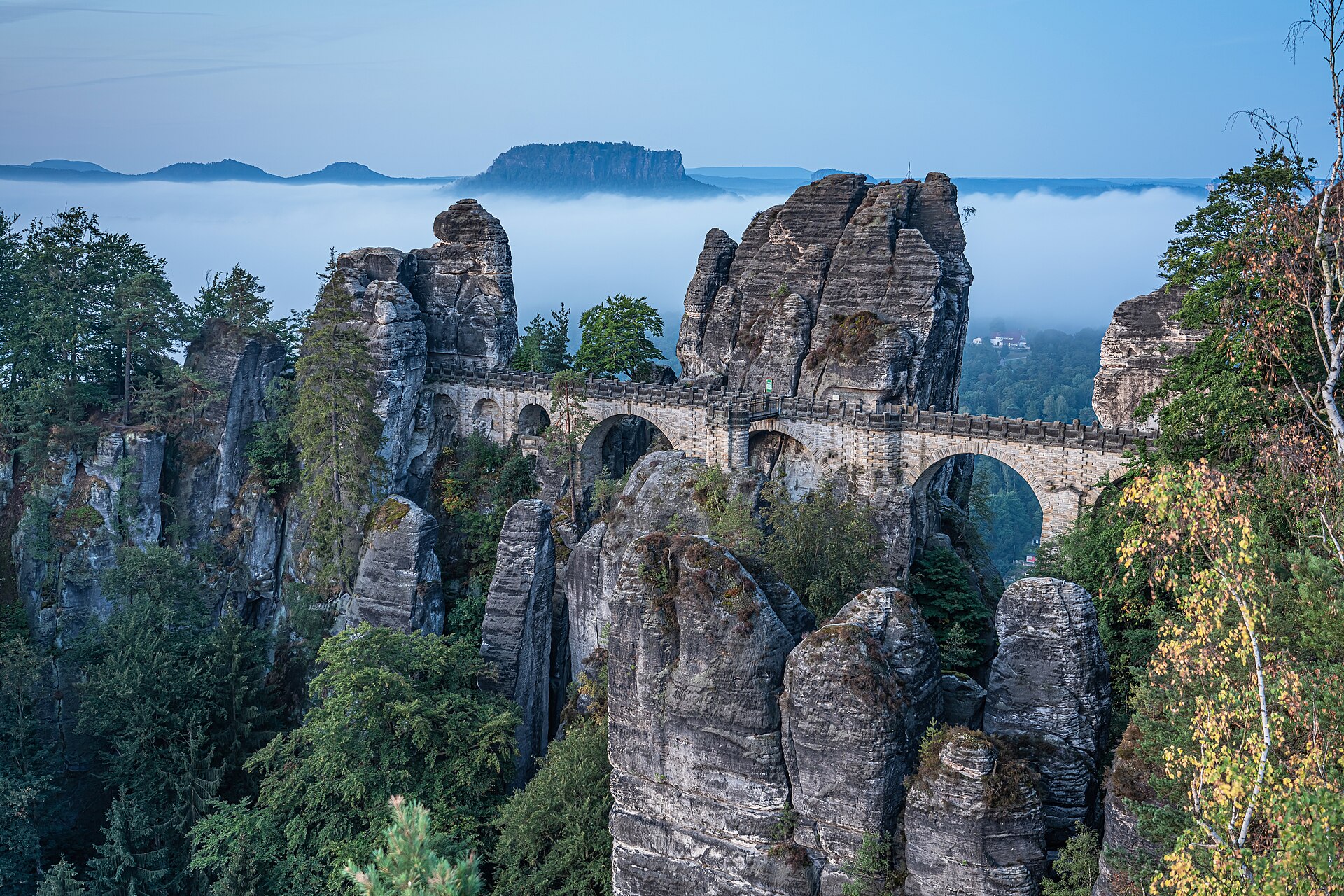
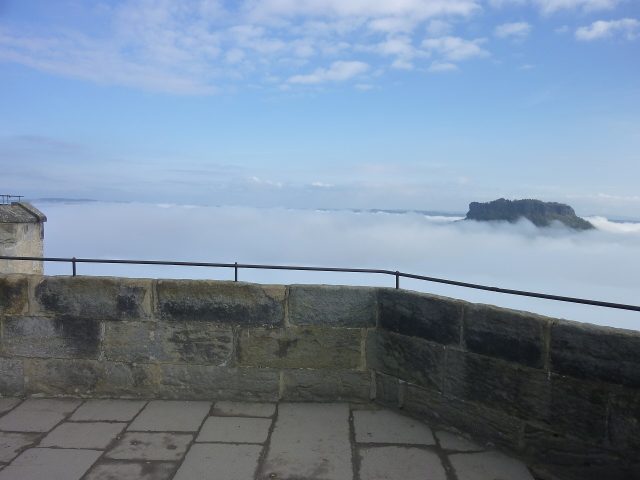
Bastei Bridge feels like a place where nature decided to test the limits of both fragility and strength. Suspended nearly two hundred meters above the Elbe River, it stretches between two jagged sandstone ridges in Saxon Switzerland, a region where the landscape seems to defy gravity. From the bridge, the valley unfolds like a living painting—steep cliffs plunge into the depths below, while the river winds through the gorge like a silver thread. The wind carries the scent of pine and damp earth, and the light shifts constantly, casting shadows that dance across the rocks. It’s easy to lose track of time here, standing on a structure that feels both solid and impossibly light, as if it might dissolve into the mist at any moment.
The bridge wasn’t always part of the scenery. In the early 19th century, Saxon Switzerland began attracting visitors drawn to its dramatic rock formations and deep forests. Before the bridge existed, reaching the Bastei rock required a winding, precarious climb along narrow paths. The first attempt at a crossing was a wooden bridge built in 1851, but it didn’t last—wood couldn’t withstand the harsh weather and the growing number of travelers. The stone bridge that stands today was completed in 1893, designed with a simplicity that belies its engineering. The local sandstone, quarried nearby, blends seamlessly with the cliffs, as if the bridge grew from the rock itself rather than being built by human hands.
What makes Bastei Bridge so striking is how unassuming it is. It spans just seventy meters, yet its proportions feel perfect, as if it were always meant to be here. The low railings don’t obstruct the view, which can be both thrilling and unsettling—there’s nothing between you and the drop except air. From the bridge, the Elbe Valley stretches out in all directions, a patchwork of forests, vineyards, and tiny villages clinging to the hillsides. The river glints in the sunlight, and on clear days, the horizon seems endless. It’s a view that makes you understand why this place has inspired artists and writers for generations.
For locals, the bridge is more than just a tourist attraction; it’s a part of daily life and history. In the 19th century, it played a key role in opening up the region to visitors, and today it remains a hub for hikers, climbers, and nature lovers. The Bastei rock itself is a mecca for climbers, with routes ranging from beginner-friendly to expert-level. Competitions are held here, and the cliffs echo with the shouts of those testing their skills against the sandstone. Even if you’re not a climber, the bridge offers something—whether it’s the perfect photograph, a moment of quiet reflection, or simply the chance to stand where the wind rushes through the gorge.
The bridge changes with the seasons, each one offering a different experience. Summer brings crowds, with visitors from across Germany and beyond flocking to see the famous view. Autumn transforms the forests into a blaze of red and gold, making the bridge look like it’s floating above a sea of color. Winter, when the weather cooperates, can be magical—the bridge dusted with frost, the valley shrouded in mist, the air crisp and still. Spring brings the scent of blooming trees and the sound of the river swelling with melted snow. No matter when you visit, the bridge feels alive, adapting to the mood of the landscape.
Getting to Bastei Bridge is part of the adventure. The most popular route starts in the town of Rathen, where a well-marked trail winds through forests and up rocky slopes. The hike takes about an hour, with several viewpoints along the way that offer glimpses of the valley below. There’s also a funicular from a nearby village, but it skips the best parts of the journey—the quiet moments in the woods, the sudden reveal of the bridge against the sky. Public buses run from Dresden and Bad Schandau, but walking is the best way to appreciate the scale of the landscape. The path isn’t difficult, but it’s steep enough to make you feel like you’ve earned the view.
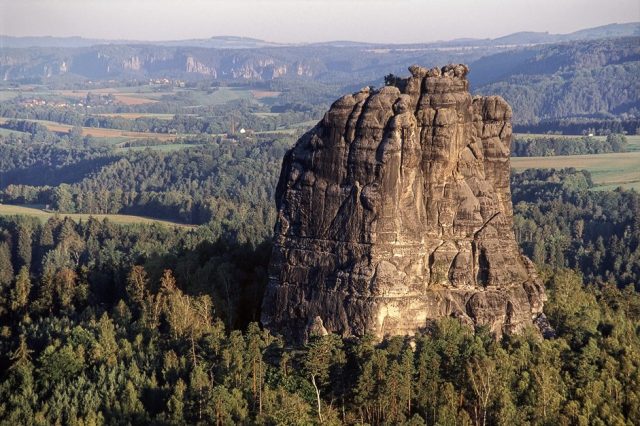
The bridge isn’t just a destination; it’s a starting point for exploring the rest of Saxon Switzerland. From here, trails branch out in all directions, leading to other famous landmarks like the Schrammsteine cliffs, where the view of the Elbe Valley is even more dramatic. You can descend to the river and follow its banks, passing under towering rock formations that look like the ruins of an ancient fortress. For those who prefer a shorter outing, there are cafés near the bridge where you can sit with a coffee and watch the light change over the gorge. The national park is full of hidden corners, and the bridge is the perfect place to begin discovering them.
It’s worth remembering that Bastei Bridge is part of a living ecosystem. The cliffs are home to chamois, and if you’re lucky, you might spot one grazing on the rocky ledges. Peregrine falcons nest in the crags, their cries echoing through the gorge. The forests are full of deer, wild boar, and even the occasional lynx, though these elusive cats are rarely seen. Saxon Switzerland is one of the few places in Germany where nature remains largely untouched, and the bridge serves as a gateway to this wild world. Visitors are asked to tread lightly—staying on marked paths, keeping noise to a minimum, and leaving no trace behind.
More than just a landmark, Bastei Bridge is a symbol of the region’s quiet beauty. There’s no rush here, no crowds jostling for space, just the wind, the river, and the endless sky. You can spend a few minutes on the bridge or a whole day exploring the trails, but either way, leaving feels like a reluctant farewell. The view stays with you—the way the bridge seems to hover above the abyss, the way the valley stretches into the distance, as if inviting you to come back and see it all again. It’s the kind of place that lingers in your memory long after you’ve gone.