Saky Lake is one of those places where nature and history have quietly shaped something unusual over centuries. Tucked away on the western coast of Crimea, not far from the town of the same name, this shallow saltwater lake has long been known for its therapeutic properties. The water here is so dense with minerals that floating feels effortless, almost like being suspended in a warm, briny embrace. The lake’s mud, rich in sulfur and other compounds, has been used for centuries in traditional remedies, drawing people who believe in its restorative powers. Even today, the shores are dotted with sanatoriums and wellness centers, though the lake itself remains a place of quiet, unassuming beauty.
The origins of Saky Lake trace back to ancient times, though its exact formation is still debated. Some suggest it was once part of the Black Sea, cut off by shifting sands and sediment over millennia. Others believe it emerged from underground salt deposits dissolving and creating a natural basin. What is certain is that the lake has been a fixture in the region’s history for a very long time. The Greeks, who settled along the Crimean coast, likely knew of its properties, and by the 19th century, it had become a destination for those seeking relief from ailments. The mud baths here were once a luxury reserved for the wealthy, but over time, the lake’s reputation spread, and it became accessible to a broader range of visitors.
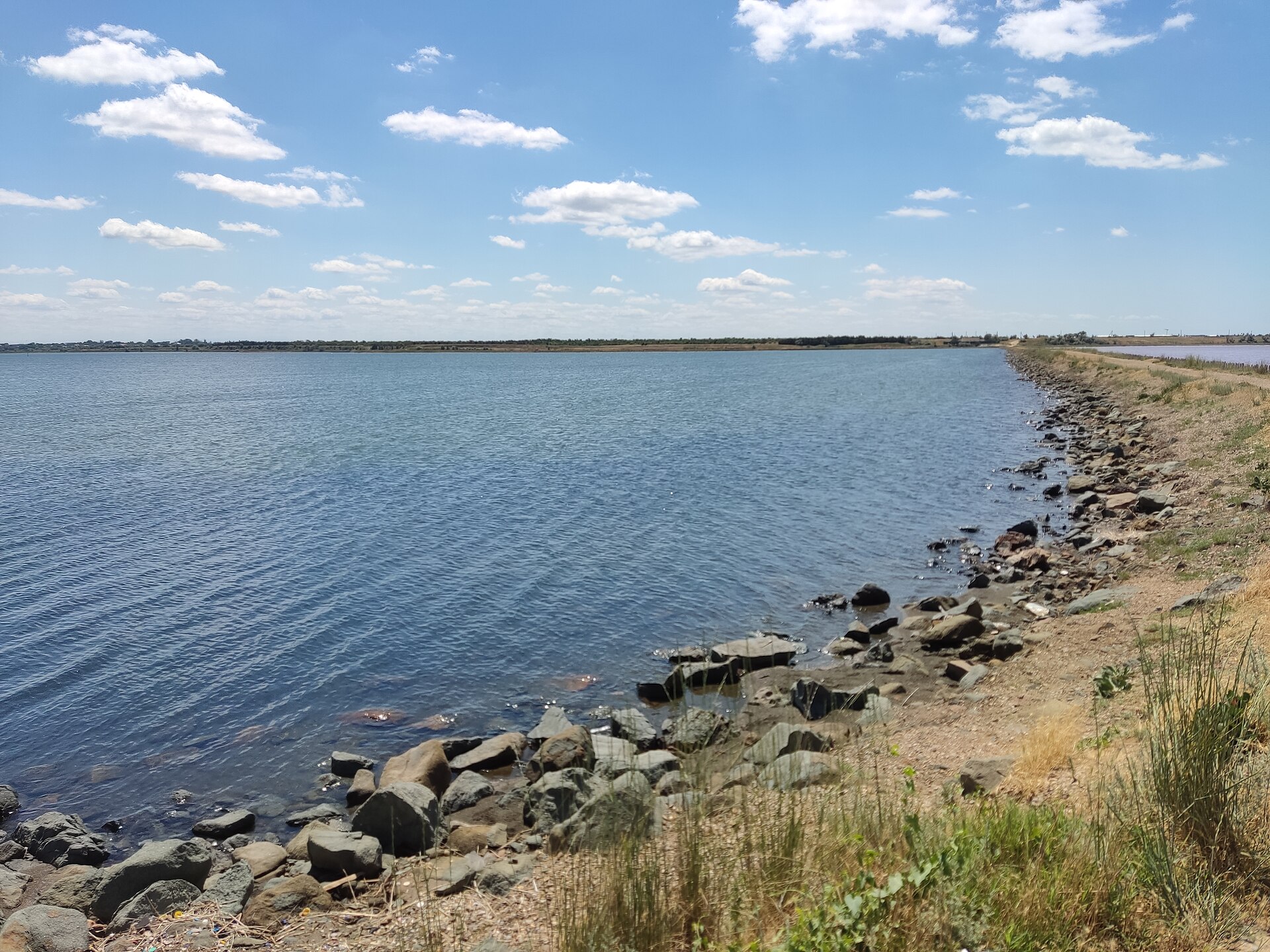
The lake itself is unremarkable at first glance. It stretches about five kilometers in length and two in width, its surface often still, reflecting the sky like a vast mirror. The water is a murky greenish-brown, thick with dissolved salts that give it a slippery, almost oily texture. On hot days, the air carries a faint, salty tang, mingling with the scent of dry grass and earth. The shores are low and flat, lined with reeds and patches of salt-tolerant vegetation. In some places, the mud is exposed, dark and glistening, its surface cracked into geometric patterns by the sun. It’s not the kind of place that dazzles with dramatic landscapes, but there’s a quiet allure to its simplicity.
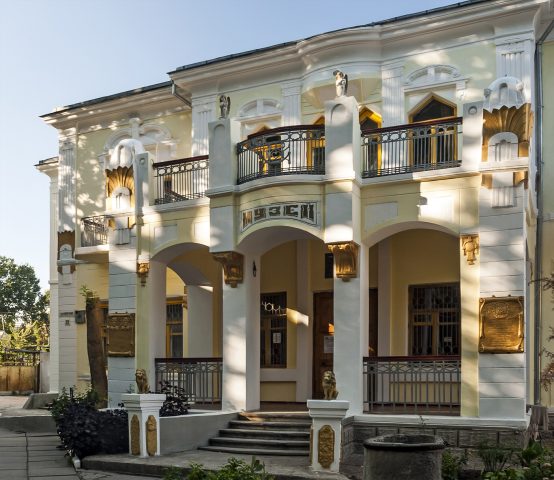
What makes Saky Lake special is its role in the region’s cultural and economic life. For generations, locals have harvested the lake’s mud and salt, using them in everything from folk medicine to industrial processes. The salt, once a valuable commodity, was extracted and traded along the Black Sea coast. The mud, meanwhile, became the foundation of the area’s wellness industry. Even during the Soviet era, when Crimea was a favored destination for state-sanctioned rest and recuperation, Saky Lake remained a key attraction. Sanatoriums were built along its shores, offering treatments that combined modern medicine with traditional remedies. Some of these buildings still stand today, their Soviet-era architecture a reminder of a different time.
The atmosphere around the lake is one of slow, unhurried rhythms. Unlike the bustling resorts of Yalta or the historic streets of Sevastopol, Saky feels like a place where time moves differently. In the mornings, the lake is often shrouded in mist, the water calm and undisturbed. By midday, the sun burns off the haze, and the surface shimmers under the light. Visitors wade into the shallows, the water supporting their weight as they float effortlessly. Some come for the mud, scooping it from the shore and smearing it onto their skin, letting it dry before rinsing off in the lake. Others simply sit by the water, watching the occasional bird skim the surface or listening to the rustle of reeds in the breeze.
The lake’s surroundings are equally understated. The town of Saky is a quiet, unassuming place, its streets lined with low-rise buildings and small shops. There’s no grand promenade or touristy boardwalk here—just a few cafes, a market, and the occasional glimpse of the sea in the distance. The landscape is flat and open, with fields stretching toward the horizon and the occasional cluster of trees breaking the monotony. In the summer, the air is warm and dry, carrying the scent of wild herbs and salt. In the winter, the lake takes on a different character, its surface often still and glassy, the mud frozen into strange, sculptural shapes.
For those who visit, Saky Lake offers a chance to step away from the usual tourist trails. There are no grand cathedrals or ancient ruins here, no dramatic cliffs or bustling squares. Instead, there’s a sense of stillness, a place where the land and water have settled into a kind of equilibrium. The lake doesn’t demand attention; it simply exists, its quiet presence a reminder of the slow, patient work of nature. Whether you come for the mud, the salt, or just the chance to float in water that feels almost weightless, Saky Lake has a way of leaving an impression—not through spectacle, but through its unassuming, enduring calm.