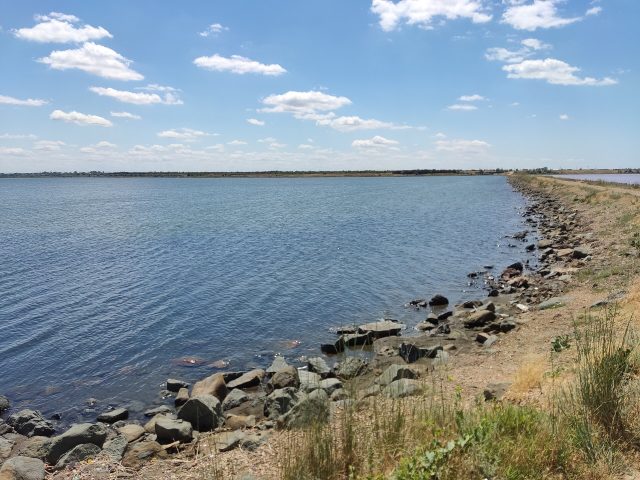
The small Crimean town of Saky might not be the first place that comes to mind when thinking of Russia’s historical or cultural landmarks, but it holds a quiet significance that reveals itself in unexpected ways. Nestled along the peninsula’s western coast, Saky has long been defined by its natural surroundings—salty lakes and therapeutic mud that have drawn people here for centuries. The local museum of regional studies and the history of mud therapy offers a glimpse into how this unassuming town became one of Russia’s most enduring balneological resorts, a place where medicine, nature, and human ingenuity have intersected for generations.
The museum’s collection spans millennia, though it doesn’t overwhelm with sheer volume. Instead, it unfolds like a series of quiet conversations with the past. Archaeological finds—fragments of pottery, coins, and tools—hint at the area’s ancient inhabitants, from the Greeks who first recognized the healing properties of the local mud to the Scythians who traded along these shores. These objects don’t just sit behind glass; they tell a story of Saky as a crossroads, a place where cultures and commerce converged long before it became a destination for health seekers. The most compelling exhibits, however, are those tied to the town’s therapeutic legacy: yellowed medical instruments, faded photographs of early sanatoriums, and even jars of the thick, dark mud that has been harvested here for centuries.
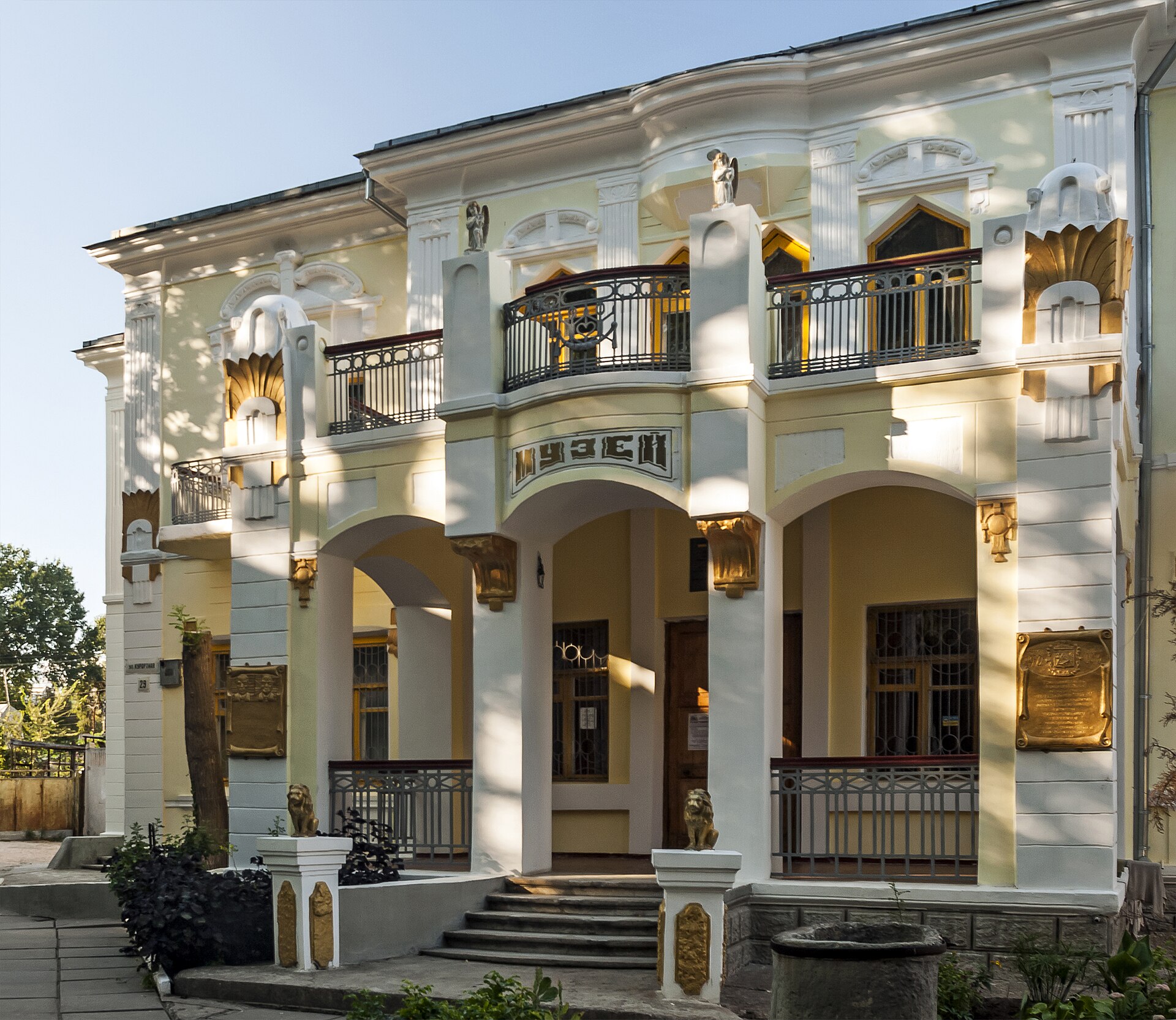
The building itself is part of the narrative. Housed in a former merchant’s home from the late 19th or early 20th century, it retains the architectural character of its time—high ceilings, large windows, and intricate stucco work that speaks to the prosperity of Saky’s early days as a burgeoning resort. Inside, the original woodwork and period details have been preserved, creating an atmosphere that feels both lived-in and timeless. Walking through the rooms, it’s easy to imagine the town as it once was: a retreat for the Russian elite, where the promise of healing drew visitors from across the empire.
What sets this museum apart is its focus on the science behind the mud. The exhibits don’t just celebrate the therapeutic traditions; they explain them. Visitors can trace the geological formation of the salt lakes, learn why the mud here is rich in minerals, and see how these properties have been harnessed over time. The evolution of treatment methods is laid out clearly—from the simple mud baths of antiquity to the more sophisticated physiotherapy techniques developed in the 19th and 20th centuries. There’s a sense of continuity here, a reminder that while medical knowledge has advanced, the core idea—that nature itself can heal—has remained unchanged.
A separate section of the museum is dedicated to Saky’s Soviet era, a period of both destruction and renewal. Photographs and documents chronicle the town’s resilience during World War II, when it was occupied and many of its buildings were reduced to rubble. Yet even in those years, the sanatoriums never fully closed; the mud lakes continued to be a source of healing, even as the town rebuilt itself. Personal items—letters, tools, uniforms—belonging to those who worked in the resorts or maintained the lakes add a human dimension to the story. It’s a testament to how deeply ingrained the therapeutic traditions are in Saky’s identity, surviving even the most turbulent times.
The museum’s size is modest, but its scope is broad. It doesn’t try to compete with grand national institutions; instead, it offers something more intimate—a deep dive into the specific forces that shaped this corner of Crimea. The exhibits feel personal, almost like flipping through a family album where each photograph or artifact carries a story. For those who come with an interest in history or medicine, the museum provides context; for others, it offers a way to understand Saky beyond its reputation as a spa town. The displays on local crafts, daily life, and traditions reveal a community that has always been closely tied to the land and its resources.
What lingers after a visit isn’t just the knowledge of how mud therapy developed or how Saky grew from a small settlement into a resort town. It’s the sense of connection—to the people who have lived here, to the land itself, and to the idea that healing is as much about place as it is about practice. The museum doesn’t just preserve the past; it bridges it to the present. After walking through its rooms, the town outside feels different. The lakes, the sanatoriums, even the streets take on new meaning, as if the stories told within the museum’s walls have seeped into the very air.
For anyone visiting Saky, the museum is more than a stop on a sightseeing itinerary. It’s an invitation to see the town through the eyes of those who have shaped it—from the ancient Greeks who first recognized the value of its mud to the workers who kept the sanatoriums running through war and peace. It’s a reminder that some places are defined not by grand monuments or dramatic events, but by the quiet, persistent ways they serve humanity. Saky’s legacy isn’t just in its mud or its resorts; it’s in the idea that healing can be found in the most unexpected places, if you know where to look.