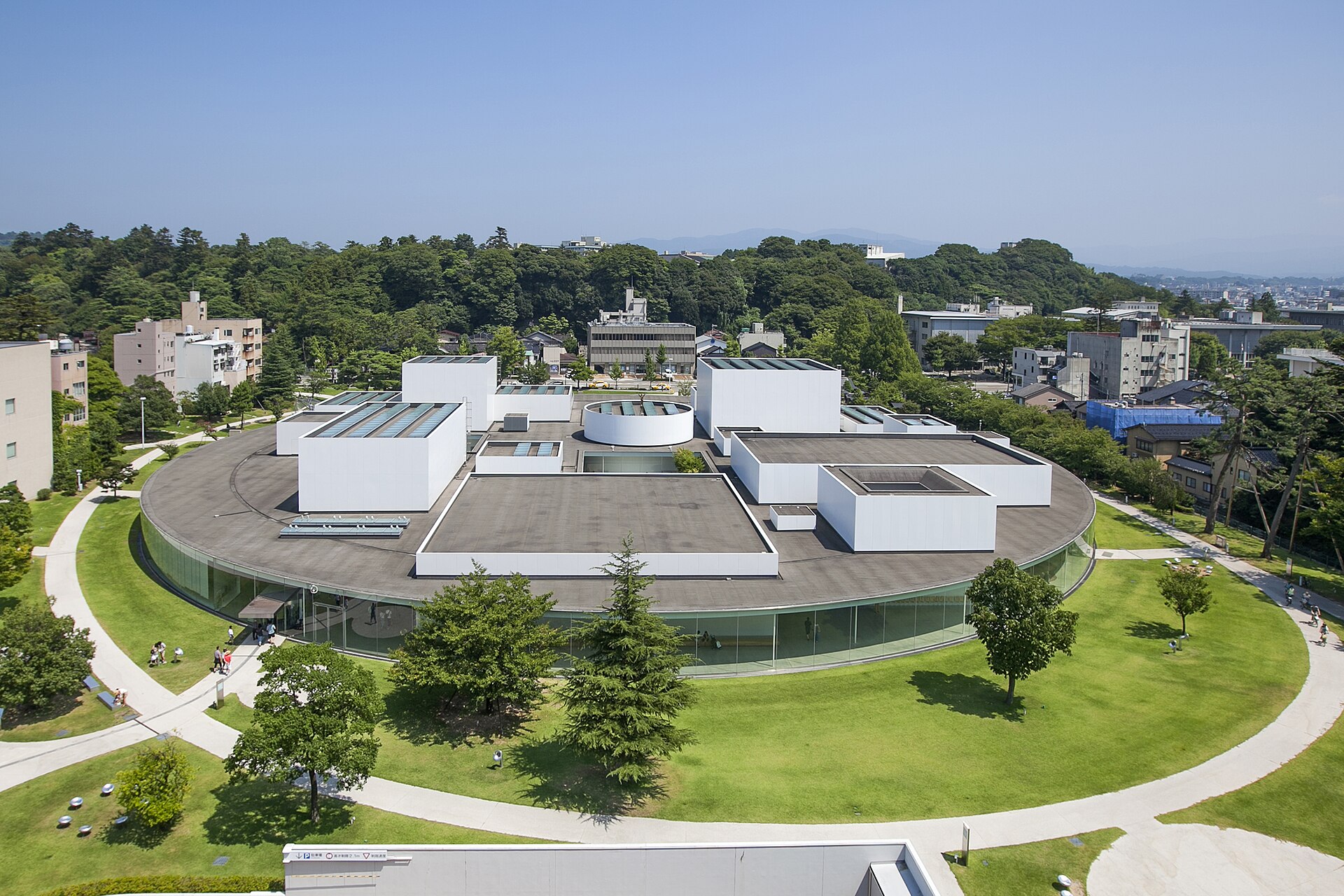
Kanazawa’s 21st Century Museum of Contemporary Art isn’t just a place to see art—it’s a space where art unfolds in unexpected ways. Built in the early 2000s, the museum was conceived as a bold statement for a city that has long balanced tradition with innovation. The architects from SANAA, known for their light, airy designs, created a building that feels more like a living organism than a static structure. Its circular form, wrapped in glass and metal, blends seamlessly with the surrounding park, inviting visitors to step inside without the usual barriers of a museum entrance.
Inside, the experience is deliberately fluid. There are no rigid corridors or enclosed galleries, just an open, meandering space where art reveals itself from different angles. The layout resists chronology or strict themes, instead encouraging a kind of wandering discovery. Paintings, installations, and video works coexist, often in conversation with one another. Some pieces were commissioned specifically for the museum, like Leandro Erlich’s *Swimming Pool*, where water appears to hover in midair, defying logic and drawing visitors into its illusion.
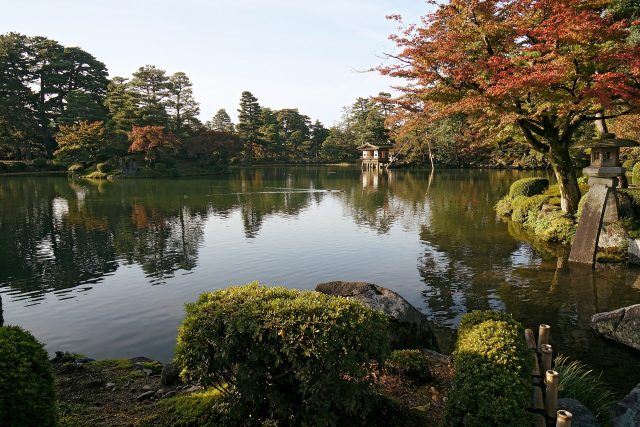
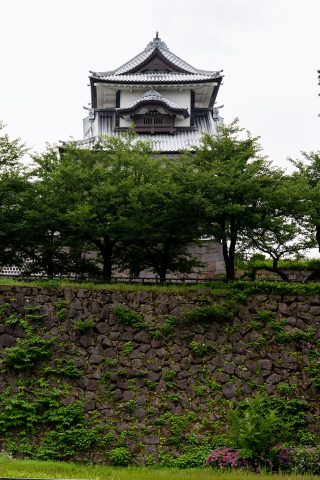
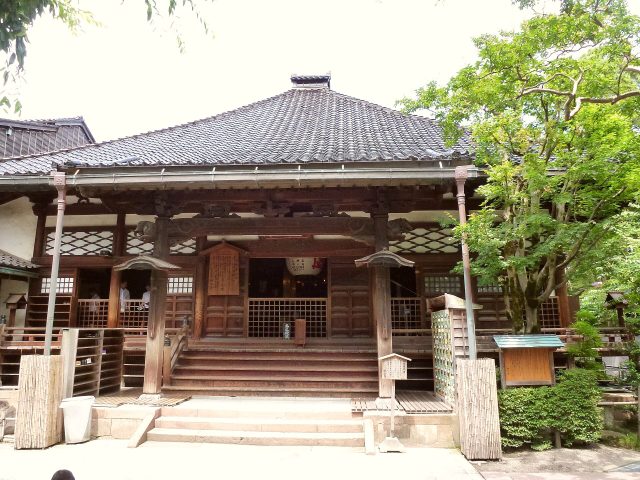
Kanazawa was an intentional choice for this kind of institution. The city has deep roots in craftsmanship—from lacquerware and ceramics to the refined rituals of tea ceremonies—yet it has always embraced the new. Historic districts with samurai residences and Edo-period teahouses stand alongside modern cultural spaces, creating a dialogue between past and present. The museum doesn’t exist in opposition to this heritage; it extends it, offering a platform where contemporary ideas can thrive without erasing what came before.
The museum’s collection is never static. There are no permanent displays, only rotating exhibitions that keep the space dynamic. Curators bring in artists from around the world, tackling themes like environmental change, technology, or personal narratives. The goal isn’t just to showcase art but to provoke thought, to make visitors pause and reconsider their own perspectives. The ever-changing nature of the exhibitions ensures that no two visits feel the same.
Architecture plays as much of a role as the art itself. The building was designed to engage with light and space, turning the act of moving through it into part of the experience. Glass walls flood the interior with natural light, shifting with the time of day and casting different moods over the works on display. Inner courtyards and open terraces offer moments of respite, allowing visitors to step outside, breathe, and return with fresh eyes. Even the roof becomes a public space, a place to sit and take in the city beyond the museum’s walls.
Accessibility is central to the museum’s philosophy. It’s not just a place for passive observation but for participation. Workshops, lectures, and educational programs invite people of all ages to engage with contemporary art, whether they’re seasoned enthusiasts or complete newcomers. For many, it’s a first introduction to a world they might not have explored otherwise.
Kanazawa itself is a city where art isn’t confined to galleries. It’s woven into daily life—through the hands of potters shaping clay, artisans applying layers of lacquer, or weavers at their looms. The museum doesn’t stand apart from this tradition; it’s a natural extension of it. It reflects the city’s belief that creativity isn’t something to be preserved in amber but something that evolves, adapts, and remains relevant.
A visit here isn’t about ticking off exhibits or following a prescribed path. There’s no rush, no pressure to see everything. Some works will resonate deeply; others might not land at all. The museum doesn’t dictate how to feel or what to think. It simply offers a space to wander, to linger, or to move on. That freedom is part of what makes it special. Many visitors return, not because they missed something the first time, but because the experience is different each time.
Beyond the museum, the surrounding park provides a quiet counterpoint to the energy inside. Nearby, other cultural institutions add to the city’s creative pulse. But even if the museum is the sole reason for a visit, it’s enough. It’s a place where art isn’t just displayed—it’s alive, breathing, and constantly shifting, just like the people who walk through its doors.