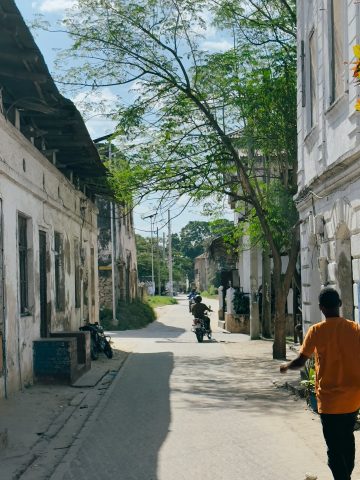
Saadani is one of those rare places along Tanzania’s coast where time seems to slow down, almost as if the land itself has decided to preserve a quieter way of life. There are no crowded resorts or tourist traps here—just the steady rhythm of the Indian Ocean meeting the shore in a way that feels entirely untouched. A small fishing village nestled between the sea and a national park, Saadani offers a glimpse of what East Africa’s coastline might have looked like before mass tourism arrived.
The village’s history is woven into the fabric of trade and cultural exchange. In the 19th century, Saadani was a key port for merchants and slave traders moving ivory, spices, and captives from the African interior to the coast. Arab, Indian, and African traders crossed paths here, leaving behind traces of their presence in the architecture—carved wooden doors, inner courtyards reminiscent of Omani design, and the occasional crumbling stone structure. Unlike Zanzibar or Mombasa, Saadani was never a major hub, and today its past lingers in subtle details: the old mosques, the names of streets, the stories shared by locals over evening fires.
The real draw of Saadani is its beaches. They aren’t the powdery white stretches found elsewhere in Tanzania, but that’s part of their charm. The sand is golden, speckled with tiny shells, and the ocean shifts between calm and restless, reminding visitors of its raw power. The shoreline is nearly empty, marked only by the footprints of fishermen who set out each morning in traditional wooden dhows. By evening, they return with their catch, and the air fills with the scent of grilled fish and woodsmoke as fires flicker along the beach.
Beyond the village, Saadani National Park offers a unique blend of wildlife and coastal scenery. It’s one of the few places in Tanzania where you can spot elephants, buffalo, or even lions against the backdrop of the ocean. The park is smaller and less famous than the Serengeti or Ngorongoro, which means fewer safari vehicles and a more natural experience. Elephants sometimes wander onto the beach to graze on salty grasses, while dolphins occasionally surface in the waves. Walking safaris are possible, though sightings of predators like leopards are rare—they tend to avoid human presence.
Life in Saadani moves at its own unhurried pace. Mornings begin with the sound of roosters and the ocean’s murmur, afternoons pass under the shade of coconut palms, and evenings are spent in quiet conversation or simply watching the tide roll in. There are no luxury resorts here, just a handful of small lodges and guesthouses where travelers can stay for a few days. The locals are friendly but unobtrusive, accustomed to the occasional visitor seeking solitude and authenticity.
One of the village’s most evocative spots is the old mosque, built in the 19th century. Its whitewashed walls and simple wooden minaret stand as a quiet testament to Saadani’s past. Nearby, a cemetery holds the graves of Arab traders and local leaders, while the ruins of an old fort—once a defense against pirates—lie in partial collapse. The fort’s crumbling walls still bear the marks of cannon ports, a reminder of the village’s strategic importance long ago.
Saadani isn’t a place for those seeking modern comforts or entertainment. There are no high-end restaurants, no multilingual menus, and no organized activities. Instead, it offers something far more valuable: the chance to experience Tanzania as it once was. You can spend a day watching fishermen mend their nets, take a safari through the park, or simply sit on the beach as the sun sets. The people, the wildlife, and the landscape all feel untouched by time.
This isn’t a destination for everyone. If you’re looking for convenience or luxury, Saadani will feel remote. But if you’re willing to trade those things for a deeper connection to the land and its history, it rewards in ways few other places can. There’s no pretense here—just the quiet beauty of a coastline that has remained largely unchanged, where the ocean, the sand, and the stories of the past still feel alive.