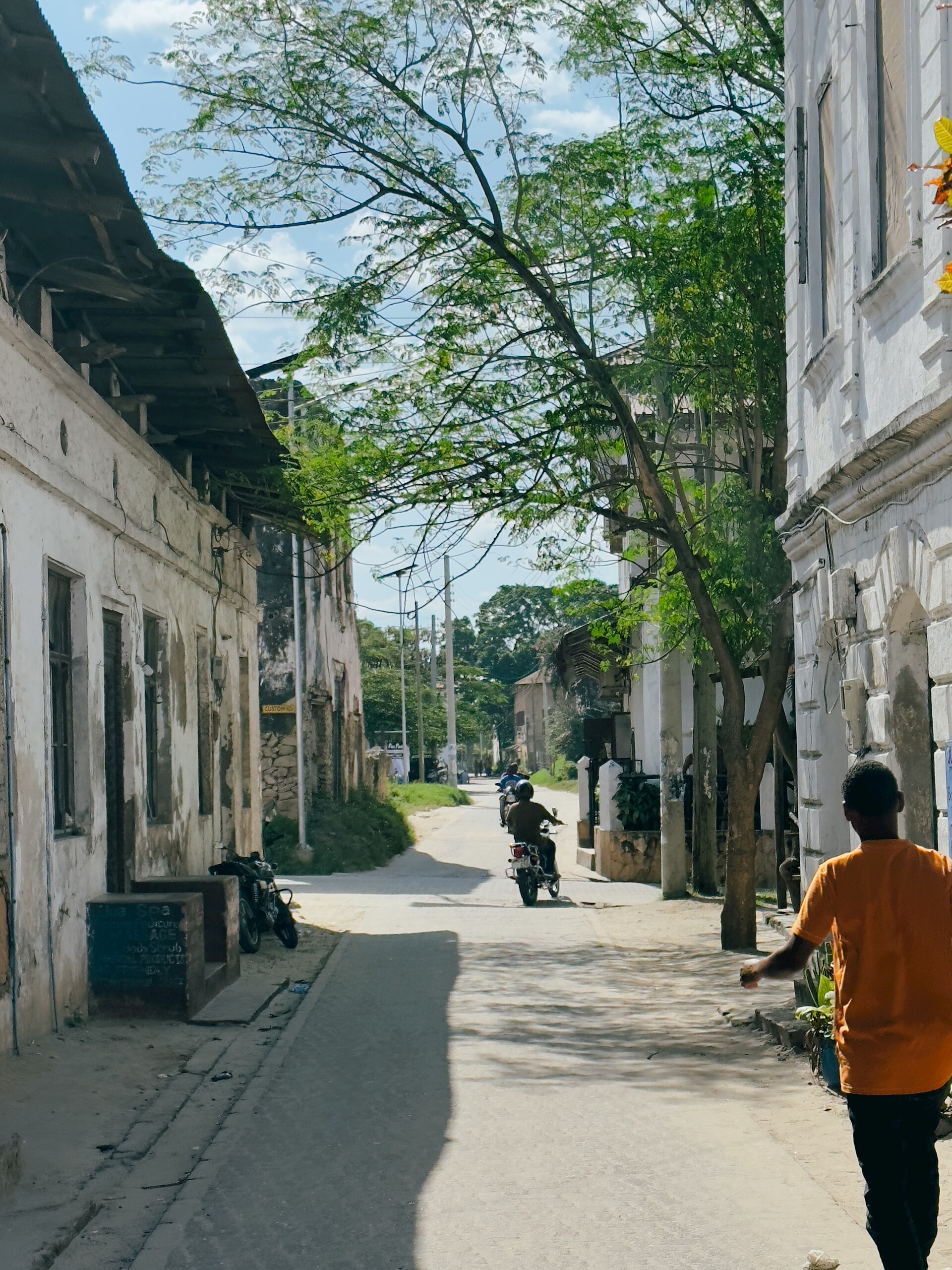
Bagamoyo feels like a place where time has settled into a slower rhythm. The past isn’t just remembered—it’s still alive in the streets, the buildings, and the way people move through their days. The old fort standing above the town carries history in its walls, a quiet witness to everything that has passed here. It wasn’t built to be grand, but over decades, it became a symbol of the forces that shaped this coast.
The fort was constructed in the late 1800s under the Zanzibar Sultanate. Bagamoyo was then a crucial hub in East Africa, not just for trade but for the slave trade. The fort served as a holding place for enslaved people before they were sent to markets across the Indian Ocean. Later, when the Germans took control, it became an administrative center. Each era left its mark, and if you walk through the fort today, the weight of those times presses against the walls.
Thick stone walls, narrow slits for archers, heavy wooden gates—all built for function. Inside, you can still see the remains of barracks, storage rooms, and offices. The plaster is peeling, wood is rotting in places, and moss clings to the stones. But the fort doesn’t feel abandoned. The past lingers in the air.
Now, the fort is an open-air museum. There are no glass cases or curated displays—just the buildings themselves. Locals and visitors wander the grounds. Sometimes you’ll find a group practicing traditional dances in the shade or a small market in the courtyard. Inside, exhibits cover the slave trade, the colonial period, and Tanzania’s struggle for independence. They’re understated. The fort doesn’t try to impress; it lets you walk through history at your own pace.
Bagamoyo has always been a place of contrasts. In the 19th century, the fort was a site of suffering, where thousands were held against their will before being shipped away. It was also a crossroads where Arab merchants, Indian traders, African laborers, and European officials converged. The fort watched as Bagamoyo grew from a small fishing village into one of East Africa’s most important ports, only to fade as Dar es Salaam rose.
Now, Bagamoyo is a sleepy town. The fort isn’t a major tourist attraction like safari parks or beaches further north. Instead, it’s part of the town’s fabric—kids play near its walls, fishermen mend nets on the shore, and old men sit on benches. The fort hasn’t been turned into a sterile museum piece; it’s still alive, still part of daily rhythm. It doesn’t demand attention, but if you notice it, you’ll find it has a lot to say.
If you visit, spend time in the old town too. The narrow streets are paved with stone, the buildings have carved wooden balconies and arched doorways. The mosques have minarets blending Swahili and Arab influences. The best time to explore is early morning, when the air is cool. Stop at a café for coffee and fresh bread, or wander the market, where vendors sell spices, fabrics, and handmade crafts. The atmosphere is unhurried—you can sit and watch life go by.
The fort isn’t the kind of place that dazzles at first glance. There’s no gold leaf, no carvings. But that’s what makes it interesting. It doesn’t try to be anything other than what it is—a building that has seen over a century of history, standing quietly in a town that has seen just as much. You could spend an hour there, listening to the ocean in the distance, or just walk past. Either way, you’ll leave with the sense that you’ve touched something real, something that has endured.