Uyuni’s market isn’t just a place to buy groceries or household goods—it’s the town’s living pulse, a rhythm you feel the moment you step into its lanes. Perched nearly four thousand meters above sea level, Uyuni exists in a world shaped by altitude, where life moves at the unhurried pace of the wind sweeping across the salt flats. The market mirrors this reality: there’s no room for excess here, only what’s essential for survival in such a harsh landscape. The air is thin, the sun relentless, and the goods on display reflect the practical needs of people who’ve learned to thrive where others might struggle.
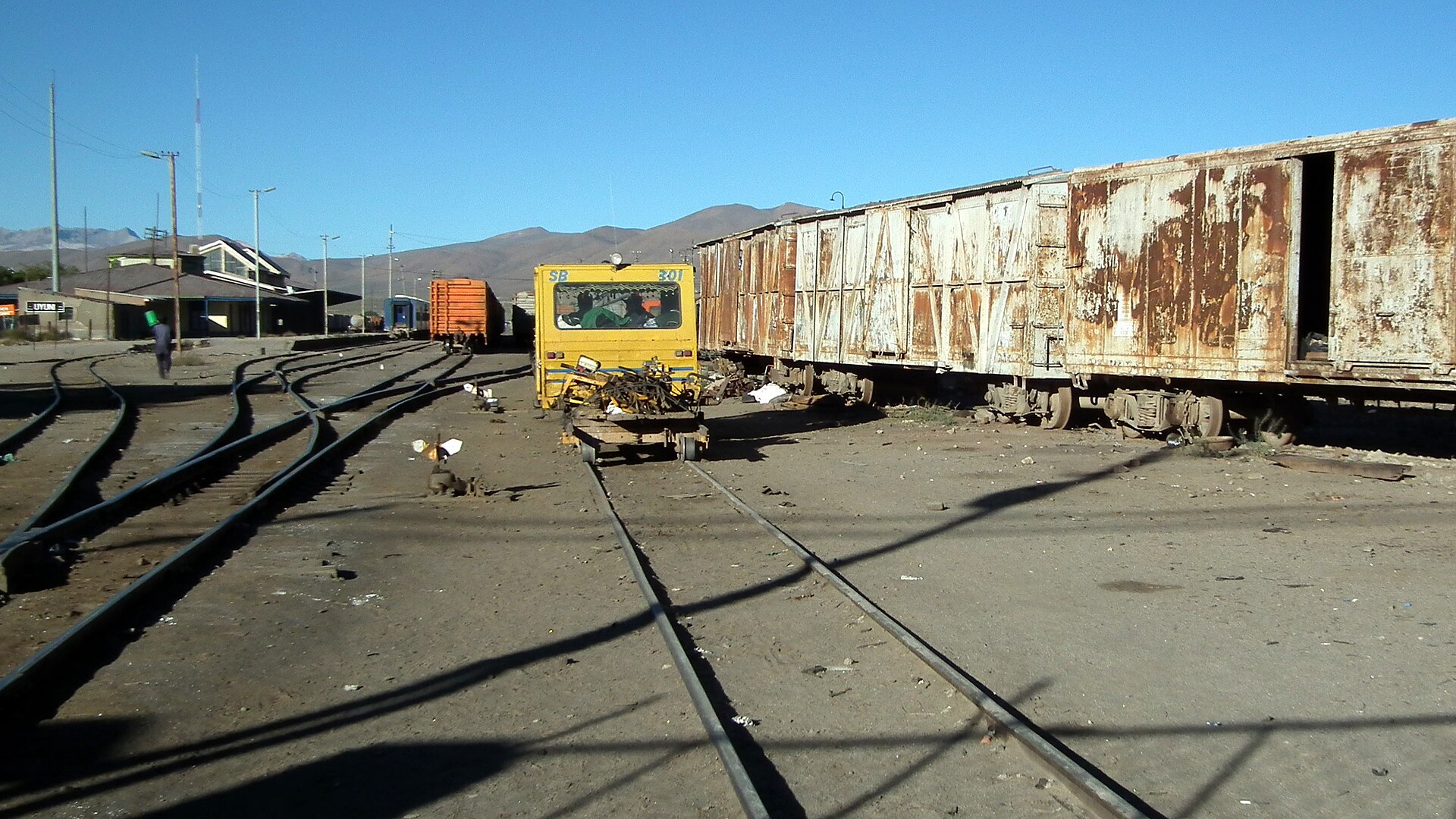
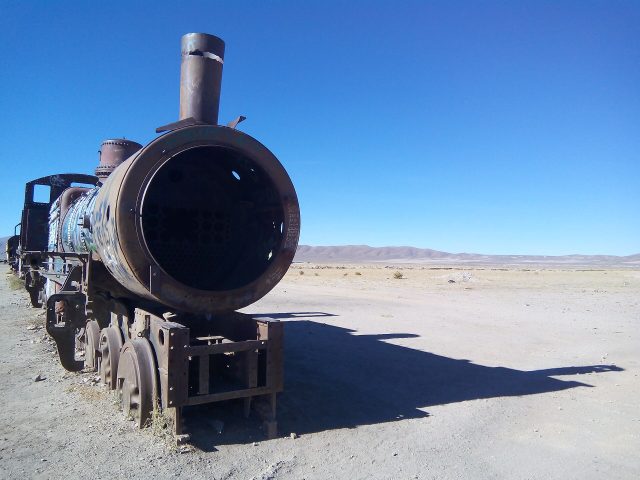
The market’s story is woven into Uyuni’s own history. The town began as a railway hub in the late 19th century, a crucial stop on the route that carried silver and tin from Bolivia’s mines to the coast. Miners, merchants, and drifters flocked here, drawn by the promise of work or simply the chance to endure. The market became the crossroads where their lives intersected—where goods were traded for news, and news for food. Over time, it grew into the town’s social core, a place where commerce and community blurred into something inseparable. Even now, it retains that role, a space where people come not just to buy and sell, but to connect.
There’s nothing grand about the market’s architecture. The stalls are low-slung counters, makeshift awnings, and open-air tables, every inch of space used with purpose. The walls are often made of rough adobe, the roofs patched with corrugated metal or tarpaulin—materials that withstand the occasional downpour. In the center, a few weathered wooden tables serve as impromptu stalls, where vendors spread their wares on newspapers or scraps of cloth. What you see is what you get: a place built for utility.
The market wakes early. Long before dawn, farmers and traders arrive to claim their spots, arranging their goods as the first light creeps over the mountains. By six, the aisles are alive with activity. Piles of potatoes—some small and knobby, others large and smooth—share space with sacks of quinoa, dried corn, and beans. Strings of bright red and yellow chili peppers hang from the rafters, their sharp scent cutting through the cool morning air. Meat is mostly llama or alpaca, occasionally beef, while fish is rare, though you might find trout trucked in from Lake Titicaca. Cheese is a staple here—salty, firm, and rich, made from sheep or cow’s milk and sold in thick slabs, cut to order.
But the market isn’t just about food. It’s where you can find thick woolen ponchos, hand-knit socks, batteries, flashlights, and basic tools. One section is devoted to household essentials: bars of soap, detergent, and cheap plastic basins. Another offers traditional remedies—bundles of dried herbs, powders, and tinctures. Jewelry stalls display simple silver and stone pieces, though most of what’s sold are brass or copper trinkets, crafted by local artisans. Tourist souvenirs exist, but they’re an afterthought—miniature tin llamas, postcards of the salt flats—tucked into corners.
The mood shifts as the day goes on. Mornings are loud and crowded, with vendors calling out prices, children darting between legs, and old men perched on benches, watching the chaos unfold. By midday, the rush eases—locals have already done their shopping, and tourists haven’t yet arrived. The market quiets, the air thick with the smell of cooking food and the murmur of conversation. It’s the best time to wander, to linger over a cup of sweet, milky tea or a plate of fried dough, listening to the cadence of Quechua and Spanish blending together. By evening, the market hums again, this time with the energy of those who work late or simply come to unwind. Radios play somewhere in the background—Bolivian folk music, old rock songs, the occasional cumbia—and the sound drifts through the stalls.
For visitors, the market offers a glimpse of Uyuni as it really is. There’s no performative exoticism here, just daily life. You can eat where the locals eat: a bowl of quinoa soup, a plate of fried llama, or empanadas stuffed with cheese or spiced meat. The flavors are bold—salt, smoke, and heat in combinations that might surprise you. But that’s part of the appeal. The market doesn’t try to impress; it simply exists.
Its importance to Uyuni can’t be overstated. More than just a place to trade, it’s a social hub where deals are made, news is shared, and problems are solved. Need to find a missing tool? Ask around. Want to know who’s hiring? Someone here will know. For many vendors, the market is their only livelihood, a way to feed their families in a town where opportunities are scarce. Everyone is just trying to get by. And while Uyuni is slowly changing, the market remains the same: a constant in a place where little else is.
Visiting the market isn’t just about shopping. It’s about stepping into the rhythm of highland life, where time moves differently. You can spend hours wandering the aisles, watching the ebb and flow of people, listening to the chatter. If you’re lucky, you might even feel like you belong—if only for a little while.