Tamu Kianggeh isn’t just a market—it’s one of those rare places in Brunei where time moves at its own unhurried pace. Tucked away in the Lumapas District, far from the well-trodden paths of tourists, it feels less like a city bazaar and more like a sprawling village fair. There’s no frantic hustle here, no jostling crowds or aggressive vendors. Instead, there’s a quiet authenticity, the kind that’s hard to find in places designed for visitors chasing the exotic. The market only comes alive on weekends, when it becomes the heartbeat of local life, drawing not just nearby villagers but those who make the trip specifically for the atmosphere you won’t find in supermarkets or air-conditioned malls.
The roots of Tamu Kianggeh stretch back to Brunei’s rural traditions, where trade was never just about commerce but about connection. Long before it became a fixed location, markets like this sprang up where trade routes crossed or where people gathered for religious festivals. Tamu Kianggeh has kept that spirit alive. Here, transactions are as much about conversation as they are about money—people swap recipes, debate the price of rice or fish, or simply linger over coffee, watching the day unfold at its own pace.
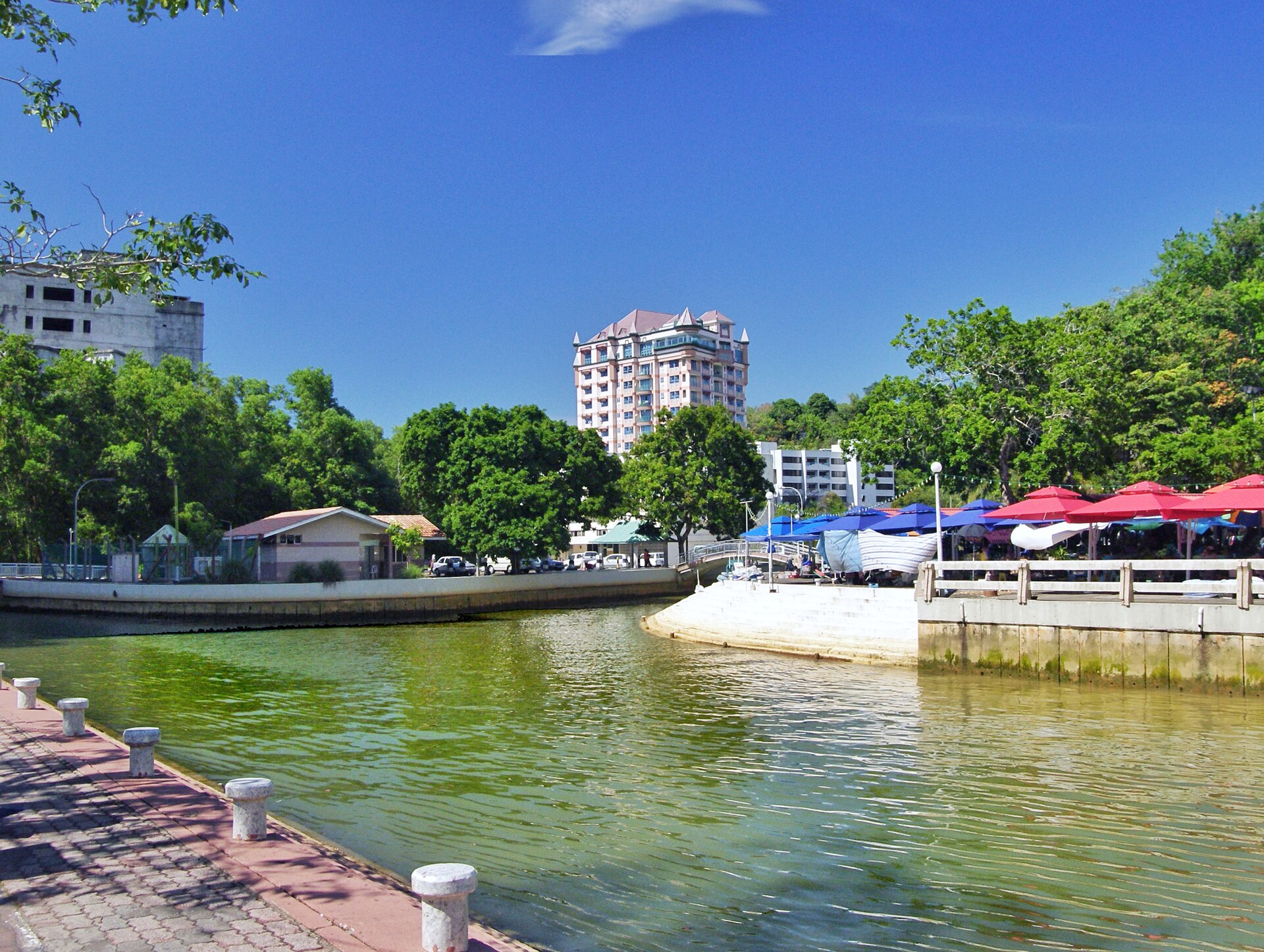
The market’s architecture is simple and practical, built for function rather than grandeur. There are no towering structures, just open-sided pavilions and shaded stalls arranged for easy movement. Wide walkways allow space for both vendors and shoppers, while the high roofs offer respite from the midday sun. By late afternoon, when the heat eases, the market hums with activity. Vendors arrive on motorcycles or small trucks, unloading their goods onto tables or even the ground when it’s a particularly large haul of vegetables or fruit.
What you’ll find at Tamu Kianggeh is a snapshot of everyday life in Brunei. The seafood section is a highlight—fresh catches from the South China Sea, from tiny sardines to whole tuna, brought in by fishermen that same morning. Shrimp, squid, and other seafood are piled high, and vendors will clean or even grill them on the spot if you ask. Nearby, mounds of produce spill across tables: long green beans, fragrant mangoes, pineapples, and durians, the divisive fruit that some consider a delicacy despite its pungent aroma. Spices like turmeric, chili, and lemongrass are stacked in bags, essential ingredients for dishes like ambuyat or nasi katok.
But the market isn’t just about food. It’s also a place where you can find handmade goods that tell a story about Brunei’s culture. Woven rattan baskets and mats, crafted by local artisans, sit alongside traditional clothing like the baju kurung, the long-sleeved dress worn by Bruneian women. There are stalls selling souvenirs too—carved wooden figurines, silver jewelry, and fabrics with intricate patterns—but these aren’t the mass-produced trinkets you’d find in Bandar Seri Begawan’s tourist shops. Instead, they’re understated and authentic, made for locals rather than visitors.
Food is where Tamu Kianggeh really shines. Unlike the raw ingredients in the produce section, here you can eat what’s been freshly cooked right in front of you. Mornings start with breakfast: hot flatbreads, fried bananas, or rice porridge topped with chicken or fish. By midday, the options expand—satay skewers sizzling on grills, fragrant curries, stir-fried noodles, and bowls of laksa brimming with seafood. The air is thick with the smells of frying oil, spices, and charcoal, a sensory overload that makes it easy to forget you came here to shop.
Tamu Kianggeh is also a place where you can see Brunei’s slow evolution. On one hand, it’s a stronghold of tradition. Many vendors are families who’ve run their stalls for generations, and regulars greet each other by name. On the other hand, there are signs of change. More young people come not just to buy groceries but to hang out, take photos for social media, or meet friends. Occasionally, you’ll spot a tourist or two, though they’re still a rarity—usually travelers who’ve sought out the market specifically to experience Brunei beyond the usual sights.
Visiting Tamu Kianggeh isn’t about shopping; it’s about stepping into the rhythm of daily life. There’s no glamour here, no pretension, just the unfiltered reality of how people live. It’s a place where you can feel the pulse of the community, where traditions are still alive, and where Brunei reveals itself in its most unguarded moments. If you find yourself in Lumapas on a weekend, don’t rush past. Take your time, wander the aisles, try a bite of something unfamiliar, and listen to the chatter in Malay. Maybe here, more than anywhere else, you’ll find what so many travelers are really searching for—a connection to a place and its people that goes deeper than landmarks or guidebooks.