Tasek Lama Park is one of those quiet places where time seems to slow down, just a short distance from Brunei’s capital, Bandar Seri Begawan. It’s not grand or flashy—just a small patch of green where locals come to unwind, and where the line between nature and history feels blurred. The park sits in the Lumapas District, an unassuming area that most visitors pass through without a second thought. Yet for those who step inside, it offers something rare: a sense of stillness in a country often associated with opulence and modernity.
At the heart of the park lies Tasek Lama, a dark, almost black lake that mirrors the dense canopy of trees above. The water’s depth is hard to gauge, giving it an air of mystery. Locals share an old legend about a white deer that once lived here, a creature considered sacred, its appearance a sign of good fortune. The deer is long gone, but the lake retains a quiet magic, as if holding onto secrets from another time. On calm days, the surface barely ripples, reflecting the sky so perfectly it’s easy to forget where the water ends and the horizon begins.
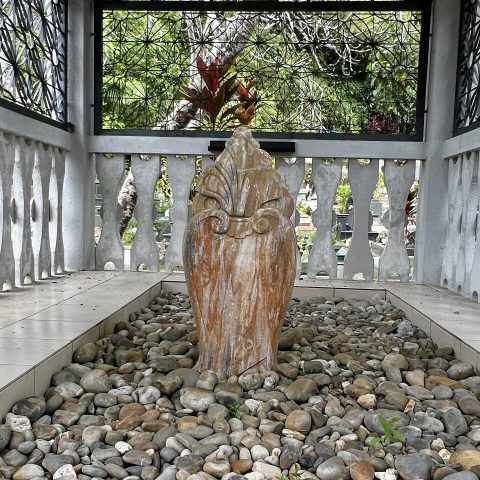
The park’s history is tied to Brunei’s royal past. In the mid-20th century, this land belonged to the sultan’s family, serving as a private retreat for hunting and leisure. Some of the old pathways and stone bridges from that era still remain, though they’re now worn by time and weather. These remnants hint at a time when Tasek Lama was off-limits to the public, a hidden corner of the sultanate where only a select few could wander. Today, the park is open to everyone, but the sense of exclusivity lingers in the way the trees seem to guard the space, as if reluctant to let go of its past entirely.
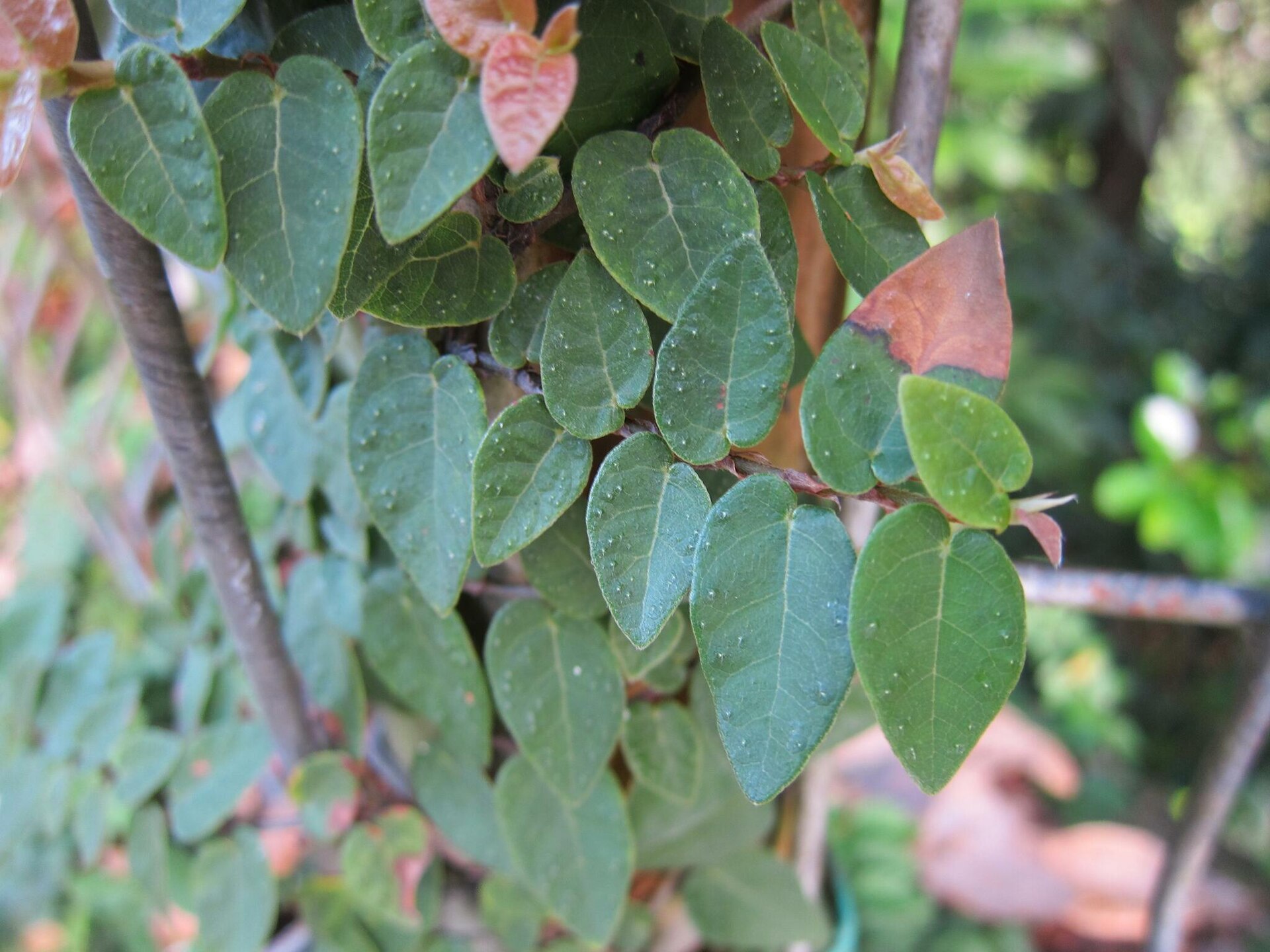
There’s no grand architecture here, no manicured gardens or elaborate monuments. What makes Tasek Lama special is its simplicity. The park is small, but its size is deceptive—what appears modest at first glance reveals layers of charm the longer you stay. Winding trails lead through thick tropical forest, past patches of sunlight and shadow, to open clearings where families gather on weekends. The air is thick with the scent of damp earth and foliage, and the only sounds are the rustling of leaves and the occasional call of a bird. The trees are tall, their roots twisting into the ground like ancient fingers, providing shade even in the midday heat.
For locals, the park is a place of routine and comfort. On weekends, it fills with the sounds of children laughing, the clatter of picnic baskets being unpacked, and the quiet chatter of families settling onto benches by the lake. Fishing is a common pastime, though the lake is shallow and the fish small—more about the act of sitting by the water than the catch itself. Some come to walk, others to read or nap under the trees. There’s no agenda, no pressure to do anything in particular. The park doesn’t demand attention; it simply offers a space to be.
The best time to visit is during the rainy season, when the forest comes alive in a burst of color. The leaves glisten, the air feels heavier, and the lake swells with runoff from the surrounding hills. The trails can get muddy, and after a heavy downpour, some paths flood entirely, forcing visitors to take detours. Locals know these routes well, stepping over puddles and around fallen branches without a second thought. The rain doesn’t deter them—if anything, it makes the park feel even more alive, as if the forest itself is breathing.
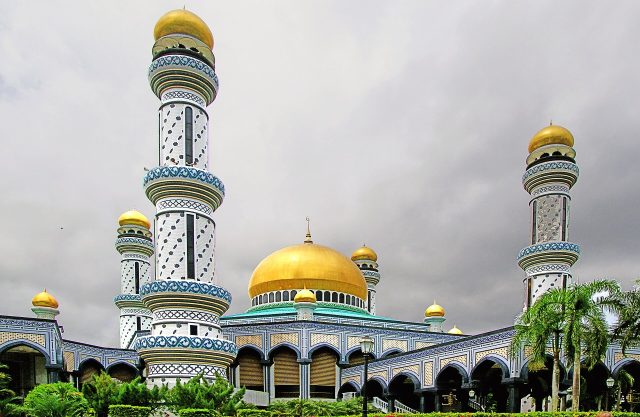
Tasek Lama isn’t the kind of place that makes it onto postcards or travel brochures. There are no guided tours, no souvenir stalls, no grand entrance fees. It’s just a park, unassuming and unpolished, the kind of place that exists for its own sake rather than for the benefit of tourists. For visitors, it offers a glimpse of Brunei beyond the usual highlights—the gleaming mosques, the lavish palaces, the carefully curated image of wealth. Here, life moves at a different pace. There’s no rush, no need to perform or impress. People come as they are, whether in flip-flops and shorts or dressed for a casual stroll, and the park meets them with the same quiet welcome.
If you find yourself in Bandar Seri Begawan, it’s worth setting aside an hour or two for Tasek Lama. The early morning is the best time to visit, when the air is cool and the park is just waking up. Bring a light breakfast—maybe some *kuih* from a nearby stall—and find a bench by the lake. Watch the way the light filters through the trees, or follow one of the trails deeper into the forest, where the sounds of the city fade into the background. There’s no script for how to experience the park. Some people sit and do nothing at all; others wander for hours, losing track of time. The only rule is that there are no rules.
What makes Tasek Lama special isn’t any single feature, but the way it feels. It’s a place where the past and present coexist without fanfare, where nature and human life intersect without conflict. The park doesn’t try to be anything more than it is—a patch of green, a body of water, a quiet corner where people can escape the noise of the world. For locals, it’s a familiar refuge, a place they return to again and again. For visitors, it’s a reminder that sometimes the most meaningful experiences are the simplest ones. You don’t come here for spectacle. You come for the stillness, for the chance to sit by the water and listen to the birds, for the quiet joy of a place that doesn’t ask anything of you except to be present.