The Imperial Mausoleum of Brunei is one of those rare places where the weight of history feels almost tangible. Tucked away in the quiet Lumapas District, far from the usual tourist trails, it holds the memory of the rulers who shaped the sultanate over centuries. There are no grand signs or flashy displays here—just a quiet dignity that makes it all the more meaningful. This isn’t a place for casual sightseers; it’s for those who want to understand how Brunei became what it is today.
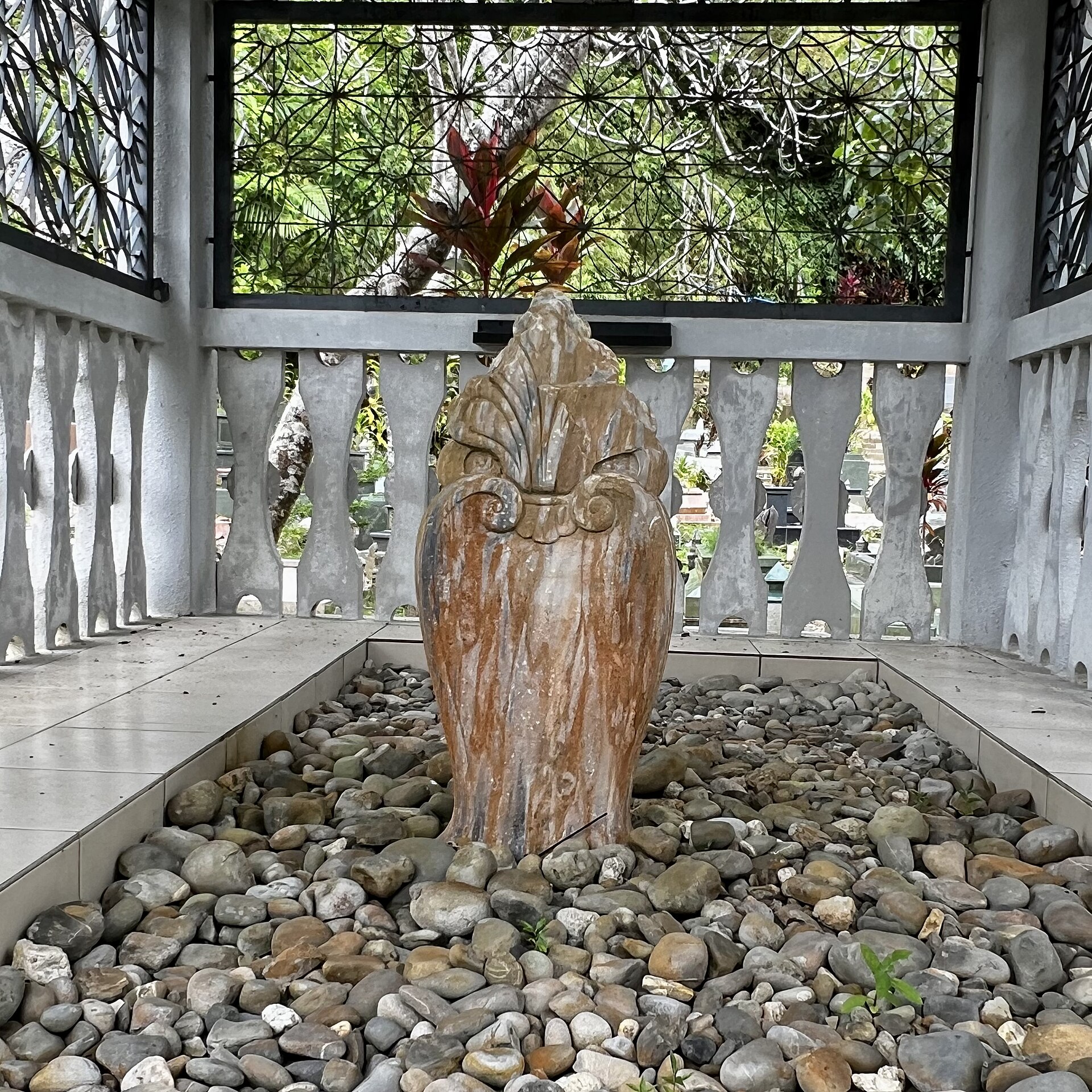
The mausoleum is a complex of tombs, the final resting place of the Bolkiah dynasty, which has ruled Brunei since the 15th century. The most notable grave belongs to Sultan Bolkiah, the dynasty’s founder, who united the Bruneian lands and established Islam as the state religion. His reign marked the beginning of Brunei’s golden age, when the sultanate controlled much of Borneo and even parts of the Philippines. Scattered around his tomb are the graves of other royal family members, each one a thread in the larger tapestry of Brunei’s past.
The architecture is simple but striking. Built from stone that has weathered over time, the tombs carry the quiet elegance of traditional Malay design with subtle Islamic influences—low arches, restrained ornamentation, and an absence of unnecessary embellishment. The lack of ostentation isn’t an oversight; it’s intentional, ensuring that the focus remains on the history and the people buried here. Old trees shade the graves, their leaves whispering in the breeze, while the stillness is broken only by the occasional murmur of visitors.
Visiting the mausoleum isn’t like touring a museum. There are no crowds, no guided scripts, just the chance to slow down and notice the details—the faded Arabic inscriptions, the delicate carvings on the stone, the way sunlight filters through the branches and falls across the tombs. Locals treat the place with reverence, and that respect is palpable in the air. Sometimes you’ll see someone arrive to pay their respects, leaving flowers or simply sitting in quiet reflection.
This isn’t just a burial site; it’s a symbol of Brunei’s continuity. The mausoleum connects the present sultanate to its ancient roots, reminding visitors that modern Brunei is part of a much older tradition. In a country where the monarchy remains central to national identity, such places hold deep significance. For Bruneians, it’s not just a landmark—it’s a touchstone to their heritage.
Despite its historical importance, the mausoleum remains largely unknown outside Brunei. Perhaps that’s because the country itself isn’t a major tourist destination, or maybe it’s because places like this don’t always demand attention. But that’s part of what makes it special. There’s no rush, no pressure to pose for photos or follow a set path. You can simply stand there, surrounded by silence, and think about the generations that have passed through these lands.
If you ever find yourself in Brunei and want to experience something beyond the usual guidebook highlights, the mausoleum in Lumapas is worth a visit. It’s not a museum, not an attraction, not a place for shopping or entertainment. It’s a quiet corner where history lingers in the stones, where the past feels close enough to touch. Maybe here, more than anywhere else, you’ll sense the real Brunei—the one that exists in memory, in tradition, and in the quiet dignity of this place.