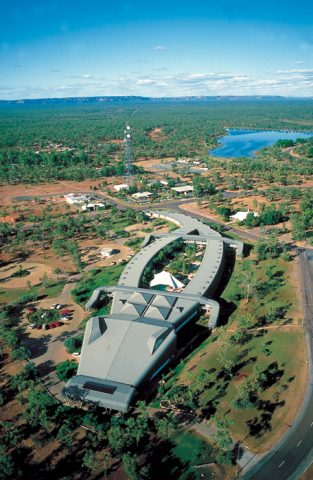
Lumapas District
Brunei · 6 places
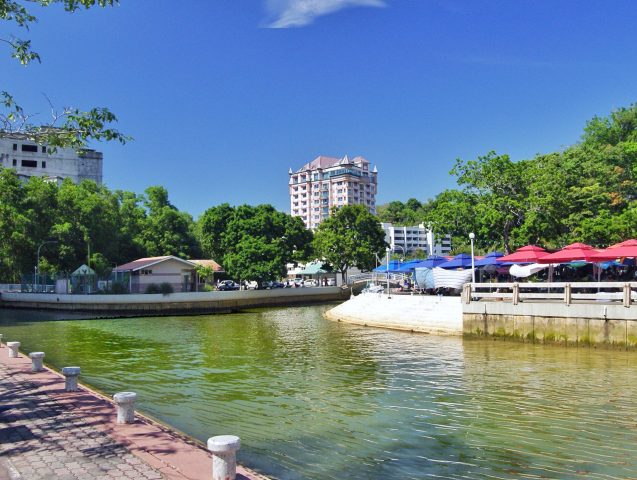
Photo: SomeBaL_, CC BY-SA 2.0
Lumapas is one of those rare places where the world moves at the pace of the river, not the clock. Tucked along the banks of the Lumapas River in Brunei, this quiet district feels more like a forgotten village than part of a modern nation. There are no skyscrapers here, no crowded streets, no tourist traps—just rolling green hills, tangled mangroves, and sleepy settlements where life has followed the same unhurried rhythm for generations. The people, mostly Malay, still fish the waters, tend small farms, and craft tools by hand, bound to the land and river that have sustained their families for centuries.
The river is the lifeline of Lumapas, a slow-moving vein that feeds the land and connects its people to the outside world. In the early mornings, mist curls over the water as fishing boats glide back to shore, their nets heavy with the night’s catch. When the monsoon rains come, the river swells, flooding the lowlands into a maze of waterways and marshes where birds nest and small creatures hide. The locals know every bend, every shallow stretch, and speak of their ancestors who first settled these banks with quiet pride. To them, the river isn’t just water—it’s a road, a larder, and a storyteller all at once.
There are no grand monuments or museums in Lumapas, no polished attractions waiting to be checked off a list. What you’ll find instead is a way of life that has barely changed in hundreds of years. Wooden houses on stilts, their roofs thatched with palm leaves or clay tiles, line the riverbanks, surrounded by vegetable patches and fruit trees. In the villages, people still weave baskets from rattan, carve wooden bowls, and spin fabric on handlooms—not for tourists, but because these skills are part of who they are. You won’t find these crafts in souvenir shops; they’re woven into daily life, visible only if you take the time to look.
Festivals here are less about spectacle and more about community. During Hari Raya Aidilfitri, the end of Ramadan, the villages come alive with strings of lights, the scent of spiced dishes, and the sound of prayers drifting through the evening air. Relatives from across Brunei gather, turning the quiet district into a hub of laughter and chatter. Another highlight is the boat races held after the rainy season, where teams of rowers compete in long, narrow vessels, their strokes honed by generations of practice. It’s not just a competition—it’s a celebration of skill, tradition, and the river that makes it all possible.
To someone used to the noise of cities, Lumapas might feel too still, too ordinary. But that’s the point. There’s no rush here, no need to fill the silence. You can wander through the jungle, listen to the calls of birds, or simply sit by the river and watch the water flow. This isn’t a place for those seeking excitement; it’s for anyone who wants to step into a world that hasn’t been paved over or packaged for visitors. In Lumapas, time doesn’t hurry, and that’s why it feels like it might stretch on forever.
See & Do
6 places
Places on the map
Marker colour follows the categoryClimate and weather
Detailed weather: Lumapas District- Average temperature
- 28 °C
- Precipitation per year
- 3557 mm
- Sunshine hours per day
- 7 h
Average air temperature
°C
28
28
28
28
29
28
28
28
28
28
28
28
Jan
Feb
Mar
Apr
May
Jun
Jul
Aug
Sep
Oct
Nov
Dec