Suk el-Arab is one of those places where the pulse of Khartoum North beats strongest. It’s not just a market—it’s a living crossroads where the rhythms of daily life, trade, and tradition intersect in a way that feels both timeless and immediate. Here, the air is thick with the scent of spices, the hum of bargaining voices, and the occasional bleat of a goat being led through the narrow alleys. If you want to understand what makes this part of Sudan tick, this is where you start.
The market has been a fixture in Khartoum North for generations, though no one seems to know exactly how old it is. It grew organically, as markets often do, expanding from a handful of stalls into a sprawling maze of commerce that spills into the surrounding streets. Unlike the more polished souks in other parts of the Arab world, Suk el-Arab has a raw, unfiltered energy. There’s no grand entrance or tourist-friendly signage—just a tangle of pathways where vendors have claimed their space over the years, some with permanent shops, others with little more than a cloth spread on the ground.
Walking through Suk el-Arab is like stepping into a sensory overload. The first thing that hits you is the smell—a mix of cardamom, cumin, and dried hibiscus, mingling with the earthy aroma of fresh produce and the occasional whiff of grilled meat from a nearby stall. Then there’s the sound: the clatter of metal trays, the rhythmic chopping of herbs, the calls of vendors hawking their goods in Arabic and local dialects. It’s chaotic, but in a way that feels purposeful, as if every shout and gesture is part of a larger, unspoken agreement about how things work here.
The market is divided into sections, though the boundaries are fluid. Near the entrance, you’ll find the spice sellers, their stalls piled high with sacks of turmeric, coriander, and fenugreek, along with bundles of dried limes and fiery red chili peppers. Further in, the fruit and vegetable vendors take over, their displays a riot of color—deep purple eggplants, bright orange carrots, and mounds of okra glistening under the sun. There’s a section for grains and legumes, where women in long dresses scoop lentils and fava beans into plastic bags, and another for household goods, where you can find everything from cheap plastic sandals to handwoven baskets.
But Suk el-Arab isn’t just about food. It’s also a place where people come to buy and sell the practicalities of daily life. Tailors sit cross-legged behind old sewing machines, stitching together garments while customers haggle over the price. Blacksmiths hammer out simple tools and kitchen utensils, their forges sending up sparks that mix with the dust in the air. There are stalls selling secondhand clothes, their racks sagging under the weight of faded shirts and worn-out shoes, and others offering cheap electronics, their wares spread out on blankets like treasures from another era.
What makes Suk el-Arab special is the way it reflects the resilience and resourcefulness of the people who rely on it. This isn’t a market for tourists—it’s a market for locals, where every transaction is part of a larger web of relationships. Vendors know their regular customers by name, and bargaining isn’t just about price; it’s a social ritual, a way of acknowledging the connection between buyer and seller. You’ll see women in colorful tobes carefully inspecting a bundle of mint, their fingers brushing against the leaves as they negotiate, or men in traditional jalabiyas pausing to chat with a shopkeeper they’ve known for years.
The market also tells a story about Sudan’s place in the world. Here, you’ll find goods that have traveled great distances—Chinese plasticware, Indian textiles, Egyptian spices—all mixed in with locally produced items. It’s a reminder of how trade routes have shaped this region for centuries, long before borders were drawn and nations defined. The spices, in particular, carry echoes of a time when Sudan was a key stop on the ancient trade networks that connected Africa to the Middle East and beyond.
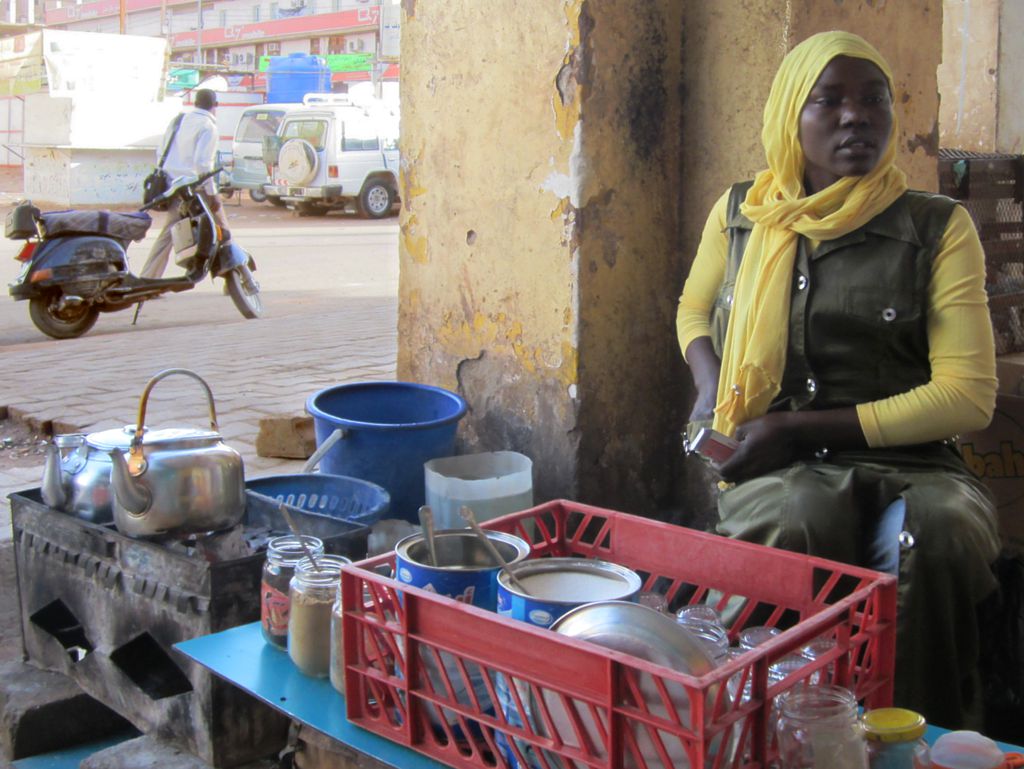
There’s a certain rhythm to life in Suk el-Arab, one that shifts with the hours. Early in the morning, the market is at its busiest, with vendors unloading deliveries and setting up their stalls before the heat of the day sets in. By midday, the pace slows as people retreat to the shade, sipping sweet tea from tiny glasses and waiting for the worst of the sun to pass. In the late afternoon, the market comes alive again, with families stopping by on their way home from work or school, picking up last-minute ingredients for dinner.
Visiting Suk el-Arab isn’t about ticking off a checklist of sights. It’s about immersing yourself in the flow of life here, even if just for a few hours. You might not understand the language or the customs, but that’s part of the experience. The market doesn’t exist for outsiders—it exists for the people who depend on it, and that’s what gives it its authenticity. If you’re lucky, you’ll leave with more than just a bag of spices or a new scarf. You’ll leave with a sense of what it means to be part of this place, even if only for a little while.