San Ignacio de Velasco sits quietly in the eastern lowlands of Bolivia, a place where time moves to the rhythm of the seasons rather than the ticking of a clock. Life here unfolds at its own pace, shaped by the land and the daily routines of those who call this corner of Chiquitos home. The market isn’t just a place to buy and sell—it’s the heart of the town, where history, tradition, and everyday life intertwine in a way that feels both ordinary and deeply meaningful. Unlike the bustling markets of Bolivia’s bigger cities, this one is smaller, unpolished, and all the more authentic for it. It’s where you can step away from the well-trodden tourist paths and see the country as it truly is.
The market wakes early, long before dawn. Farmers from the surrounding villages arrive with the first light, their trucks and carts loaded with the day’s harvest. The air fills with the scent of fresh coffee, fried plantains, and warm bread straight from the oven. Women in vibrant traditional dresses arrange their goods—piles of corn, cassava, pineapples, and oranges, alongside fruits that might be unfamiliar to outsiders, like the creamy cherimoya or the prickly pear. Spices, dried meats, and homemade cheeses made from generations-old recipes add to the sensory mix. Bargaining here isn’t rushed; it’s a slow dance of conversation, jokes, and catching up with neighbors. For the locals, the market is as much about connection as it is about commerce.
One of the market’s most compelling corners is where the artisans gather. Chiquitos has long been known for its skilled craftspeople, and their work is on full display here. Wooden carvings, intricately woven baskets, jewelry made from seeds and shells, and brightly patterned textiles are all crafted by hand, often right in front of you. The artisans work with care, their hands moving deliberately as they shape another piece of their heritage. These aren’t mass-produced souvenirs—they’re unique, each one carrying the warmth of its maker. If you’re lucky, you might even see a new creation taking form before your eyes.
Food is another reason to linger. The market’s stalls and small eateries serve up dishes that have been part of Chiquitano life for centuries. There are salteñas, the savory pastries filled with meat, potatoes, and a slightly spicy sauce, a breakfast staple across Bolivia. Or locro, a hearty corn and meat stew that warms you on cooler mornings. Fried yuca and plantains are simple but satisfying, the kind of food locals eat without a second thought. And if you’re there at the right time, you might stumble upon masamorra, a rich corn and meat dish reserved for special occasions. The food here isn’t fancy, but it’s honest—exactly what people in this part of Bolivia have been eating for generations.
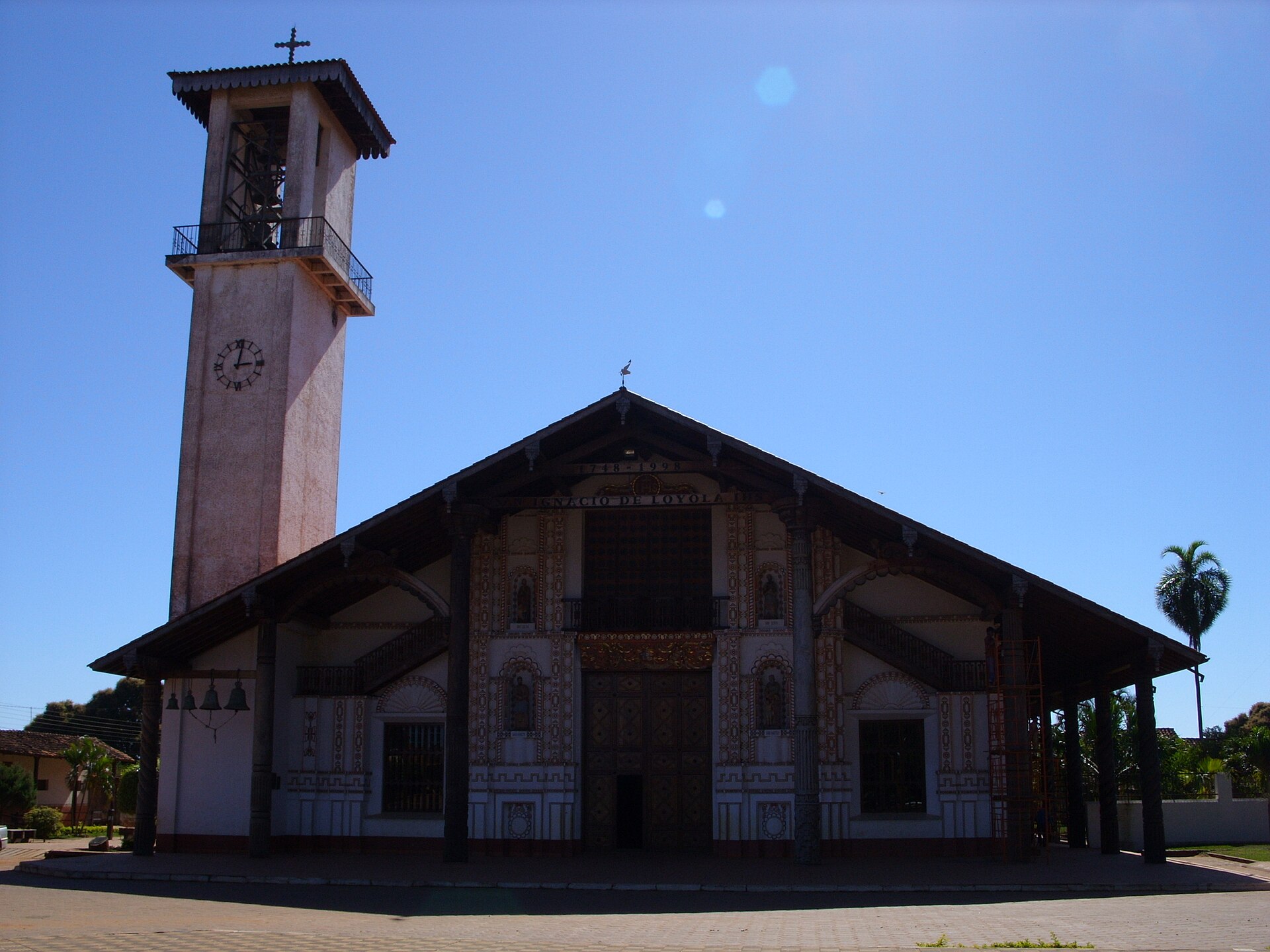
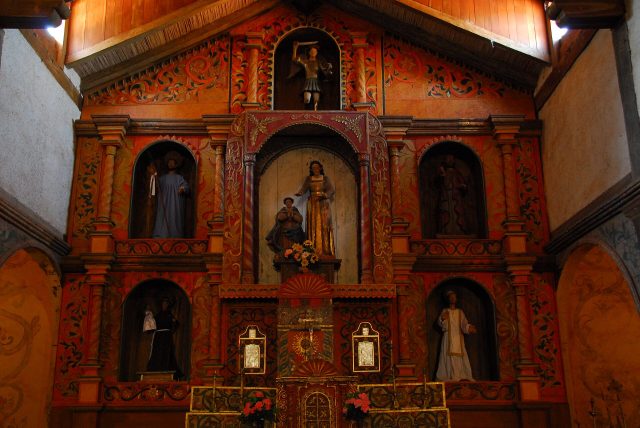
The market’s story is woven into the history of San Ignacio de Velasco itself. The town was founded in the 18th century by Jesuit missionaries who came to the region to establish missions among the indigenous communities. These missions, known as the Jesuit Missions of Chiquitos, are now a UNESCO World Heritage site, celebrated for their cultural and historical significance. The market emerged as a natural gathering place, where indigenous people, settlers, and missionaries traded not just goods but ideas, skills, and news. Over time, it became a fixture of daily life, enduring even as the missions’ original purpose faded. Today, it remains a living link to the past.
The market’s architecture is unassuming, built for function rather than grandeur. There are no towering structures, just open-air stalls and shaded areas where vendors set up their goods. At its center stands an old chapel, a quiet reminder of the town’s colonial roots. Its weathered wooden doors and simple facade seem untouched by time. On weekends, the square beside it comes alive with music—local musicians playing traditional tunes on guitars and violins. The market transforms into a lively gathering, where people come not just to shop but to dance, listen, and spend time together.
For travelers, the market offers a glimpse of Bolivia that’s often overlooked. There are no crowds of tourists, no pushy guides, no staged performances. Just the quiet hum of daily life—people going about their business, children weaving between stalls, elders sitting on benches sharing stories. It’s easy to lose track of time here, wandering from one section to another, soaking in the sights and sounds. The market feels like a world of its own, where everything is real: the goods, the people, the atmosphere.
As the day winds down, the market slowly empties. Farmers head home, vendors pack up their unsold wares, and the scent of cooking fires fades. But even when the trading stops, the market doesn’t go quiet. Locals gather to chat, share a drink, or simply enjoy each other’s company. It becomes a kind of open-air living room, a place where everyone knows your name and strangers are welcomed with a smile. For those who visit, it’s a rare chance to see Bolivia as it truly is—not through the lens of a museum or a guided tour, but in the unfiltered, everyday moments that make life here so rich.