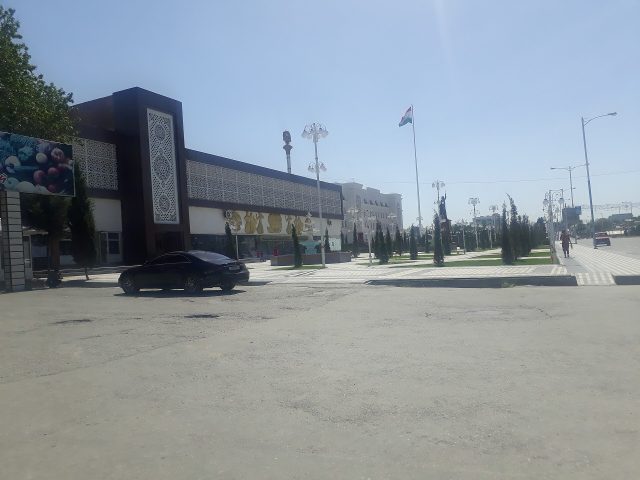
Rudaki’s market is one of those rare places where time seems to soften, where the rhythm of daily life unfolds at its own unhurried pace. Unlike the crowded bazaars of larger cities, where shouts and haggling drown out everything else, here trade happens with quiet dignity, as if each transaction carries the weight of an old tradition no one wants to rush. The market sits at the heart of the village, where roads from surrounding settlements converge. It isn’t large, but it holds everything one might need—fresh produce, fabrics, spices, and simple household goods—arranged without fuss, as if the space itself has long known what belongs where.
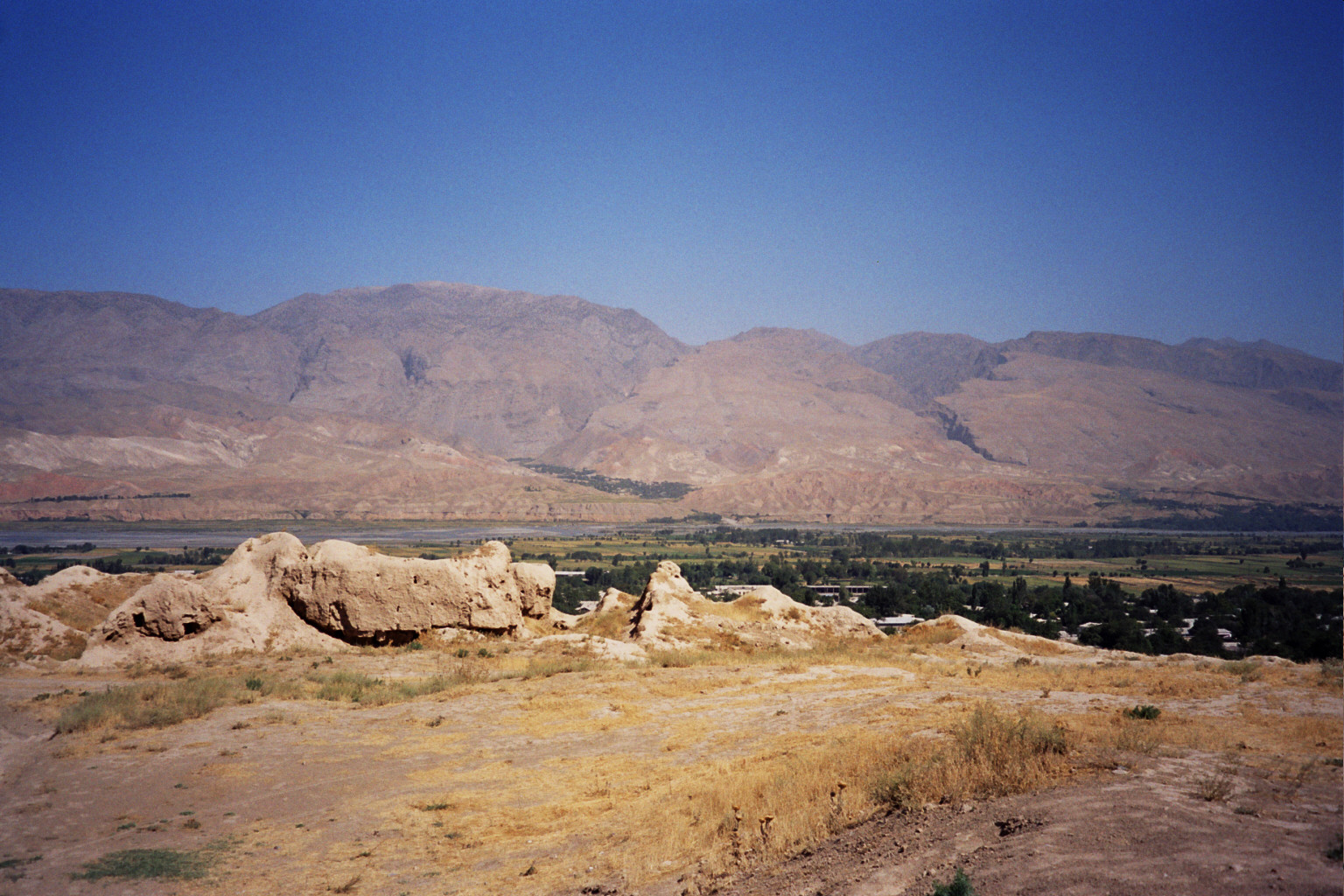
The history of this market stretches back to a time when Rudaki was just another nameless settlement along the Silk Road, long before it became known as the birthplace of the great Persian poet. Trade has always been part of its story. Caravans once stopped here to rest, exchanging goods and news before moving on, and over time, the market became a permanent fixture. Empires rose and fell, borders shifted, but the bazaar endured. It weathered the Soviet era, when collective farm produce shared space with imported goods, and later, the years of independence, when Chinese wares and local crafts began appearing on the stalls. Through it all, the market remained, adapting without losing its essence.
The architecture is unassuming, built for practicality rather than spectacle. Low counters stretch in neat rows beneath corrugated metal roofs, with narrow paths winding between them. The design is simple—shade in the heat, shelter when it rains—but effective. Locals know every corner, every vendor who sells the sweetest pomegranates or the most fragrant green tea. There are no flashy signs or advertisements; reputation and word of mouth decide where people go. The market doesn’t need to announce itself—it’s been here long enough that everyone already knows.
Mornings begin early. Before dawn, farmers from nearby villages arrive to claim their spots, bringing what they’ve grown—apples, apricots, grapes, tomatoes, cucumbers—piled high on the counters. The produce smells of sun and earth, especially the fruit, which is so ripe and sweet it seems to carry the full generosity of a Tajik summer. Sellers aren’t in a hurry. They know their customers will come, that each person will find what they need, whether it’s a kilo of plums or a bundle of fresh herbs. There’s no pressure, no aggressive bargaining—just the quiet understanding that this is how things have always been done.
Beyond the fruit and vegetables, the market offers other treasures. Spices—turmeric, cumin, barberries—arrive from the mountains, sold in small bags or by the handful, their scents mingling with the fresh greens and warm bread. Nearby, jars of honey from the Gissar foothills sit beside trays of dried fruit—apricots, raisins, figs—each piece a reminder of how deeply food is tied to culture here. These aren’t just ingredients; they’re part of a way of life passed down through generations.
Then there are the craftsmen. They bring handmade goods—pottery, embroidered tablecloths, knitted socks, wooden spoons—each piece shaped by patience and skill. You won’t find these in a store. They carry the warmth of human hands, the stories of families who have perfected their craft over decades. Sometimes, an old man sits at a small loom, weaving a carpet with slow, deliberate movements. Time seems to stand still around him, as if the act of creation itself is more important than the finished product.
But the market is more than a place to buy and sell. It’s a gathering spot, a social hub where friends, neighbors, and relatives meet. People catch up on news, share gossip, learn about weddings and funerals. For many, it’s the only chance to see those who live in distant villages. Vendors and customers recognize each other, greet one another, ask about families and health. There’s no pretense here—just the easy familiarity of a community that has known each other for years.
By midday, the market begins to empty. Farmers head home, stalls grow sparse, and those who remain gather in the shade to rest. Some sip tea from small bowls, others eat flatbread with cheese or fresh vegetables. The noise fades, leaving only the occasional murmur of a lingering customer and the rustle of wind between the rows. The quiet feels natural, as if the market itself is taking a breath before the next day begins.
Rudaki’s market isn’t just a place to shop. It’s a living thing, constantly changing yet somehow always the same. It tells the story of the people who rely on it—their traditions, their values, the things that matter to them. Visiting here, you realize that real life isn’t in the rush of big cities, but in these simple, unassuming places where time moves differently. There’s no grandeur, no spectacle—just the quiet authenticity of a place that has always been, and always will be, exactly what it needs to be.