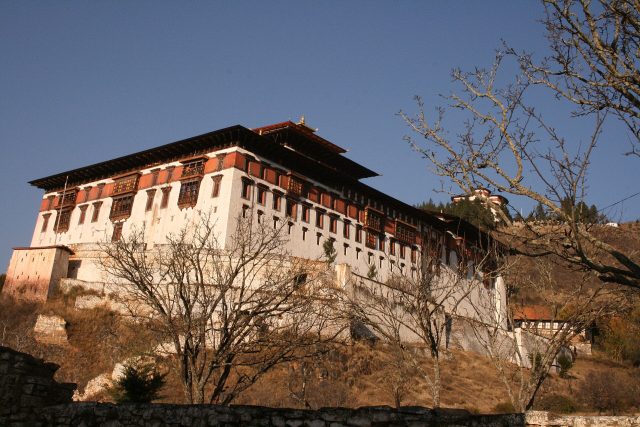
Paro is a quiet town in western Bhutan, where life moves at the pace of the mountains and the rhythms of tradition. The streets are narrow, lined with whitewashed houses and Buddhist temples, and at the heart of it all lies the local market—a place where daily life and culture intertwine, where trade and conversation flow as naturally as the Paro Chu River. Unlike the bustling bazaars of neighboring countries, this market carries an air of calm, a sense of timelessness. It isn’t a tourist attraction so much as the living pulse of the town, offering a glimpse into how Bhutanese people truly live.
The market comes to life on weekends, when farmers and artisans from across the valley arrive with their goods. There are no flashy signs or pushy vendors here—just a quiet, unhurried exchange. Stalls display red rice grown on terraced mountain slopes, fresh vegetables, fragrant spices, and dried herbs used in traditional medicine and cooking. One of the most distinctive offerings is yak cheese, a staple of Bhutanese cuisine. It’s sun-dried, smoked, or eaten fresh, each bite carrying the taste of high-altitude pastures. The cheese is often sold in long, braided ropes or thick slabs, a testament to the resourcefulness of the people who make it.
Beyond food, the market is a showcase of handcrafted goods. You’ll find woven shawls made from yak wool, intricately carved wooden masks used in religious dances, and jewelry crafted from silver and turquoise. Many of these items are made using techniques passed down through generations. Bhutanese weavers, for instance, still rely on natural dyes to create deep blues, rich reds, and earthy greens. When you hold something bought here, it’s not just a souvenir—it’s a piece of living tradition, shaped by hands that have honed their craft over decades.
The market is also a social hub. Locals come not just to shop but to catch up, share news, and discuss the week’s events. Women in traditional *kira*—long, woven dresses—move gracefully between stalls, while men in *gho*, the national dress, sip tea at small roadside stalls. Occasionally, the sound of a *dramyin*, a traditional lute-like instrument, drifts through the air, or the low murmur of monks chanting mantras from a nearby monastery blends into the hum of conversation. The scene feels suspended in time, as if the modern world hasn’t quite reached this corner of the Himalayas.
Paro’s history as a trading post stretches back centuries. Long before it became known to outsiders, the town was a vital stop on the route between Tibet and India, where goods like silk, salt, and medicinal herbs changed hands. When Buddhism took root in Bhutan in the 7th century, trade took on a spiritual dimension. Monasteries needed offerings, and pilgrims sought sacred relics. The market became a place where the sacred and the everyday intersected—where you could buy not just food, but incense, prayer flags, and small statues of deities. That tradition continues today. Even now, among the vegetables and textiles, you’ll find stalls selling ritual items, a quiet reminder that in Bhutan, faith is woven into the fabric of daily life.
The market’s architecture is simple and practical. Wooden awnings shield the stalls from sun and rain, while stone steps lead to a small square where vendors gather on weekends. Everything is made from local materials—wood, stone, clay—blending seamlessly with the landscape. There are no marble floors or glass displays, just the raw textures of the land. Even at its busiest, the market never feels crowded. Instead, it breathes with the same openness as the Paro Valley itself, framed by snow-capped peaks.
For travelers, the market offers a chance to experience Bhutan as it really is, not as it appears in postcards. There are no crowds jostling for photos, no guides reciting rehearsed stories. Just people going about their lives, and for a little while, you can be part of it. Sit on a bench with a cup of *suja*—butter tea, salty and rich—listen to conversations in Dzongkha, the local language, or simply watch as the sun dips behind the mountains, casting a golden glow over the stalls.
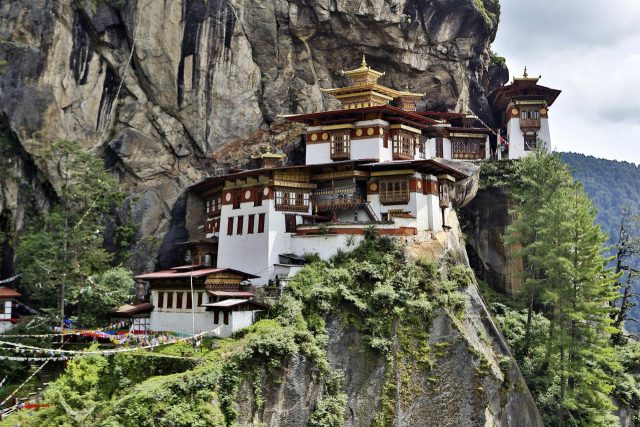
Bhutan has begun to open up to the world in recent years, but Paro remains one of those places where change is barely noticeable. The market looks much the same as it did decades ago—the same goods, the same faces, the same unhurried conversations. Perhaps that’s why it draws people in. In a time when everything moves fast and feels disposable, here you can sense the rhythm of a life that is slow, deep, and full of meaning. If you ever find yourself in Paro, don’t rush straight to the famous Tiger’s Nest monastery. Take a moment to visit the market first. You might just find what you didn’t know you were looking for.