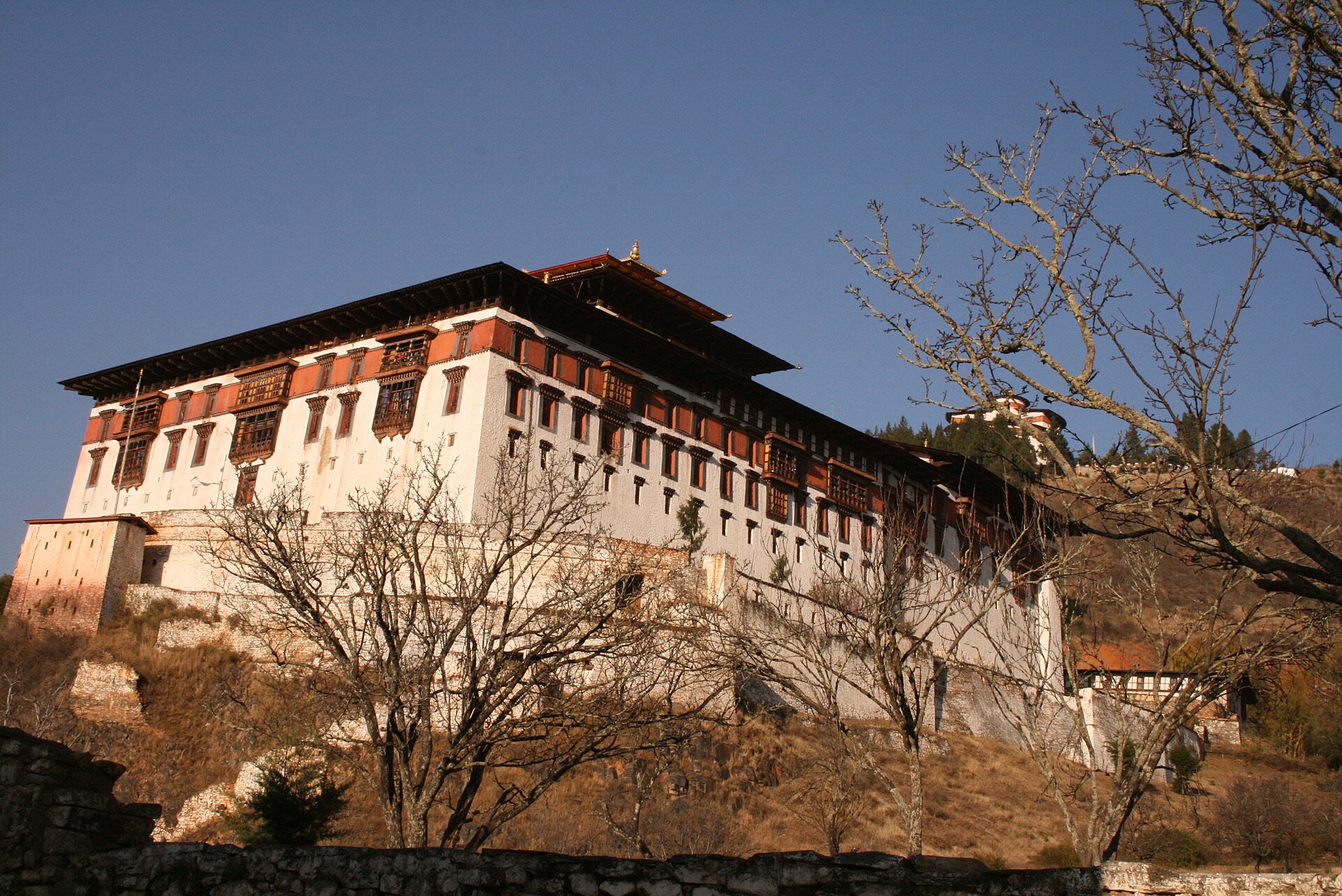
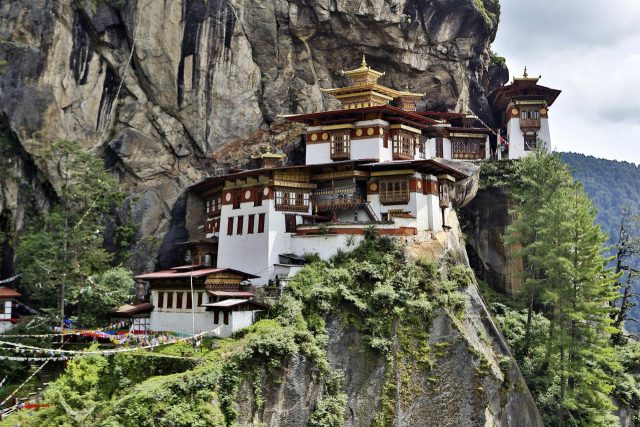
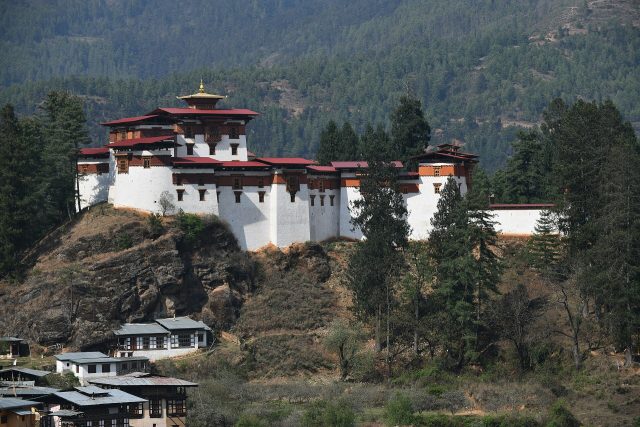
Perched on a rocky ledge above the Paro Valley, Rinpung Dzong feels like a place where time has learned to pause. This sprawling fortress-monastery isn’t just an architectural marvel—it’s a living chapter of Bhutan’s history, where the past isn’t preserved behind glass but woven into the daily rhythm of life. The thick stone walls have witnessed centuries of shifting power, religious ceremonies, and the quiet, unhurried pace of a culture shaped by Buddhist traditions. Today, the dzong remains both an active administrative hub and a spiritual center, welcoming those who come not just to observe, but to feel the weight of its stories.
The origins of Rinpung Dzong trace back to the 17th century, a time when Bhutan was being unified under the vision of Zhabdrung Ngawang Namgyal, the founder of the country’s theocratic state. Local lore suggests the site was chosen long before construction began—back in the 15th century, the monk Pema Lingpa prophesied that a great fortress would rise here. What started as a modest stronghold was transformed by the Zhabdrung into a monumental complex, designed to serve as both a bastion of Buddhist faith and a seat of power in western Bhutan. The building process stretched over decades, and even now, the dzong bears the marks of different eras: sturdy, weathered walls stand alongside delicate wooden balconies, while austere watchtowers open into serene inner courtyards.
Like all Bhutanese dzongs, Rinpung follows a distinct architectural blueprint, yet it carries its own character. The structure is a layered maze of purpose-built spaces. The lower levels house government offices and storerooms, the middle floors are reserved for monks’ quarters and meditation halls, and the upper tiers hold temples and sanctuaries. The entrance is guarded by intricately carved wooden gates, their surfaces alive with depictions of Buddhist deities and mythical figures. Stepping through them, visitors enter a world of quiet courtyards, where the only sounds are the flutter of prayer flags and the distant chime of temple bells.
The most striking feature of the dzong is its central tower, the Utse, which dominates the skyline. More than just a defensive structure, it’s a symbol of spiritual authority. Inside, several temples are adorned with vibrant frescoes illustrating the life of the Buddha and revered Buddhist saints. Among them, the temple of Mahakala holds particular significance, housing a statue of the fierce protector deity. Climbing to the upper levels of the tower rewards visitors with sweeping views of the Paro Valley—terraced rice fields stretching toward the winding river, and beyond them, the hazy outlines of distant mountain ranges.
Religion is the heartbeat of Rinpung Dzong. It’s here that Bhutan’s most important festivals unfold, none more vibrant than the annual Tsechu. During the celebration, the dzong comes alive with masked dances performed by monks in elaborate costumes, while thousands of pilgrims gather to receive blessings. The courtyards buzz with activity, the air thick with the scent of incense and the rhythmic beat of drums. Even outside festival season, the dzong hums with spiritual energy—whether in the quiet corner where a monk murmurs mantras or in the flickering glow of butter lamps lining a temple’s altar.
What sets Rinpung apart from many historic sites is its refusal to become a relic. It’s still a working institution, where officials go about their duties, monks conduct rituals, and locals come to pray or simply sit in the shade of its ancient walls. There’s no artificial staging here, no attempt to turn the dzong into a museum piece. Instead, it retains its original purpose, creating an atmosphere where visitors aren’t just spectators but temporary participants in a centuries-old tradition. That said, it’s important to remember that Rinpung isn’t a backdrop for photos—it’s a sacred space, and respect is expected.
The Paro Valley itself is a place of quiet beauty. Steep slopes covered in dense forests give way to fertile fields below, while the Paro Chu River winds through the landscape. Near the dzong, a traditional wooden bridge draped in prayer flags spans the water, its reflection shimmering in the current. As evening falls, the setting sun bathes the fortress in golden light, and its silhouette stretches across the river’s surface. It’s easy to see why Bhutan is called the Land of the Thunder Dragon—here, nature and spirituality intertwine, creating a sense of harmony that lingers long after you’ve left.
Visiting Rinpung Dzong isn’t like ticking off a tourist attraction. There’s no rush, no overbearing hospitality, no crowds jostling for the perfect shot. Instead, there’s a sense of stillness, a rhythm that feels untouched by the outside world. The dzong doesn’t try to impress—it simply exists, as it has for centuries, and that’s where its power lies. It doesn’t offer grand spectacles or curated experiences; it offers something rarer: the chance to step into a place where time moves differently, where the past isn’t just remembered but lived. And perhaps that’s why it leaves such a lasting impression.